Avatar: The way of water
Joao Felipe De Martini
-Modeling & Texturing Artist
-Environment Artist
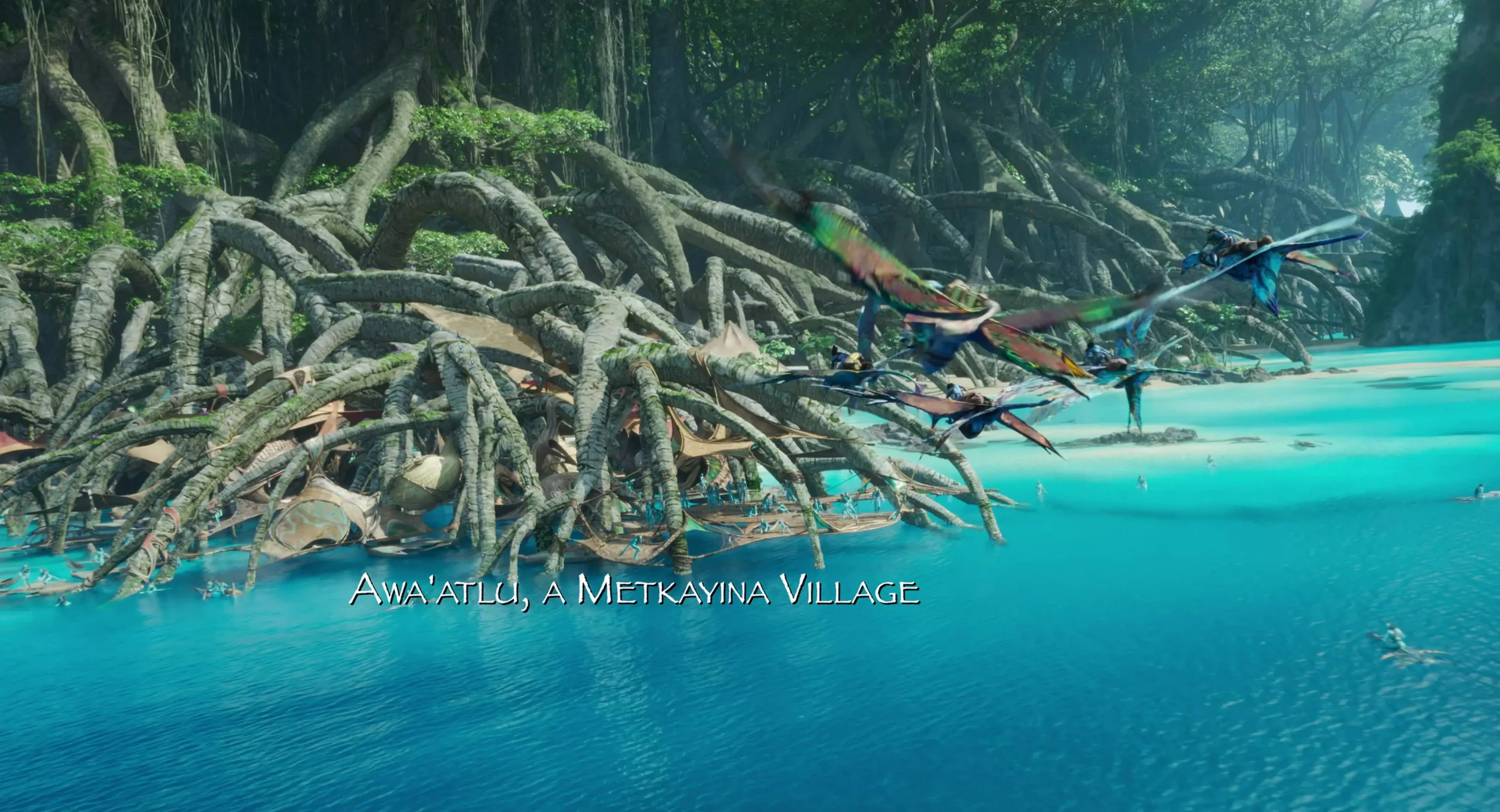
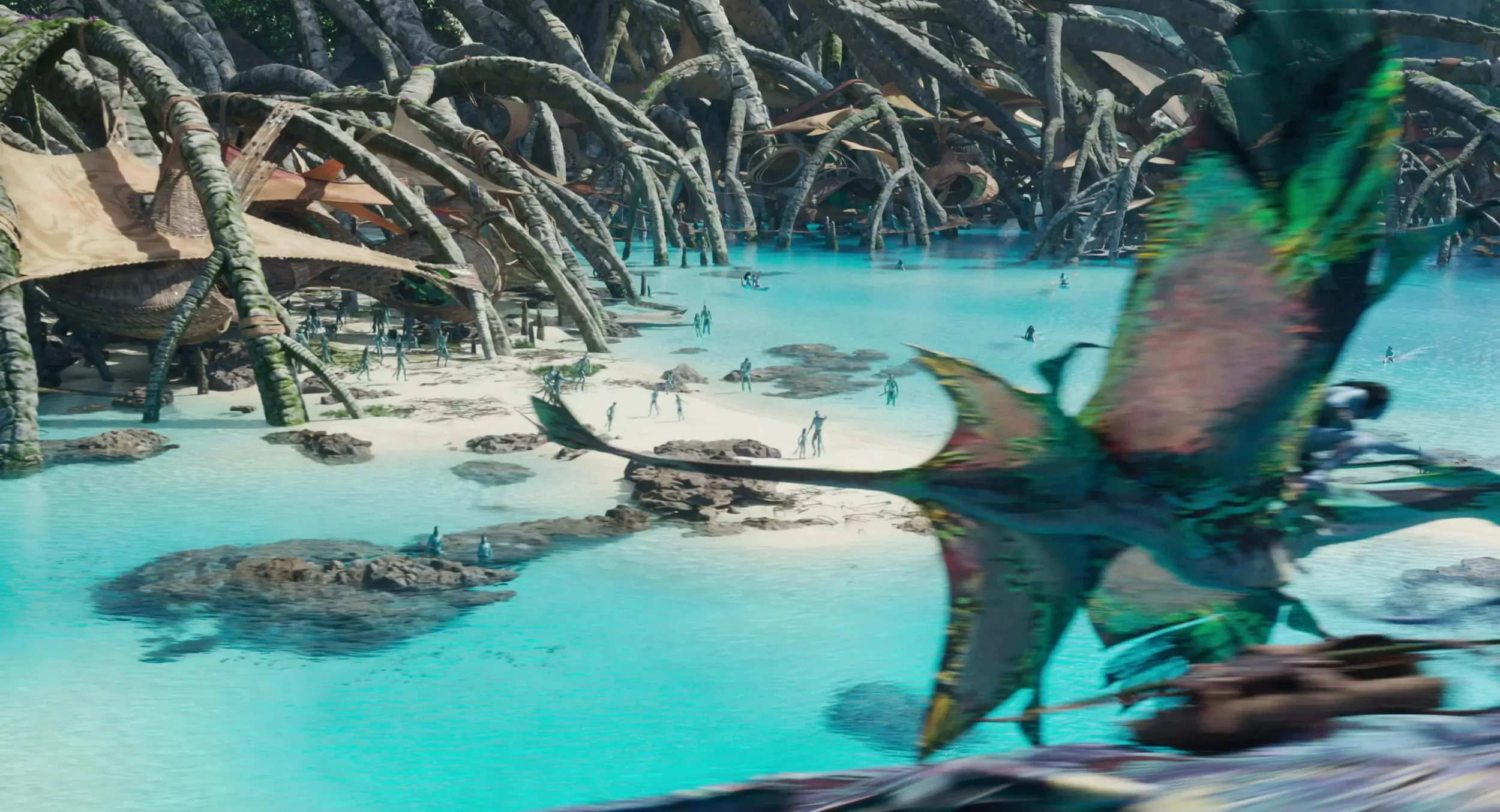
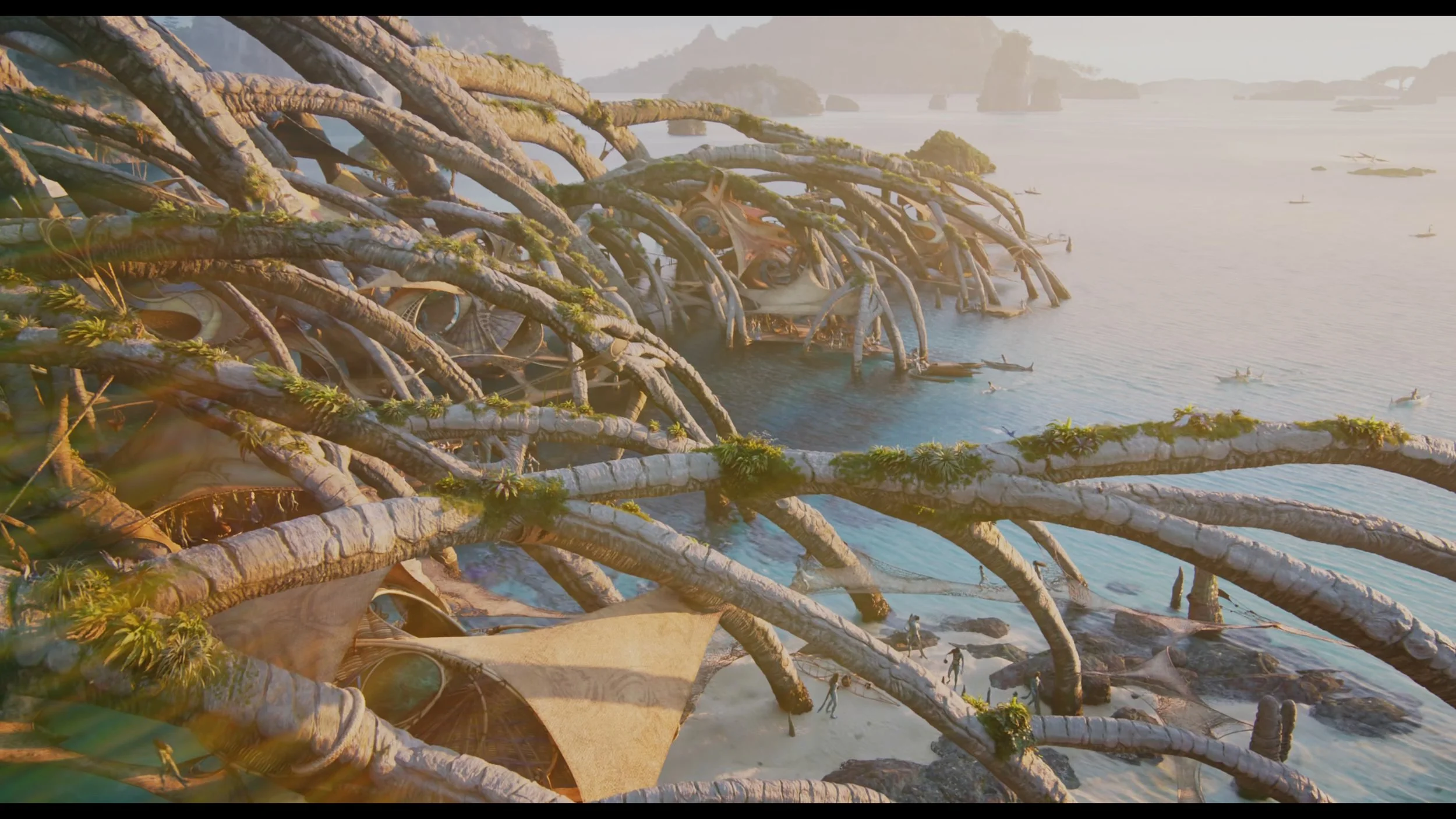
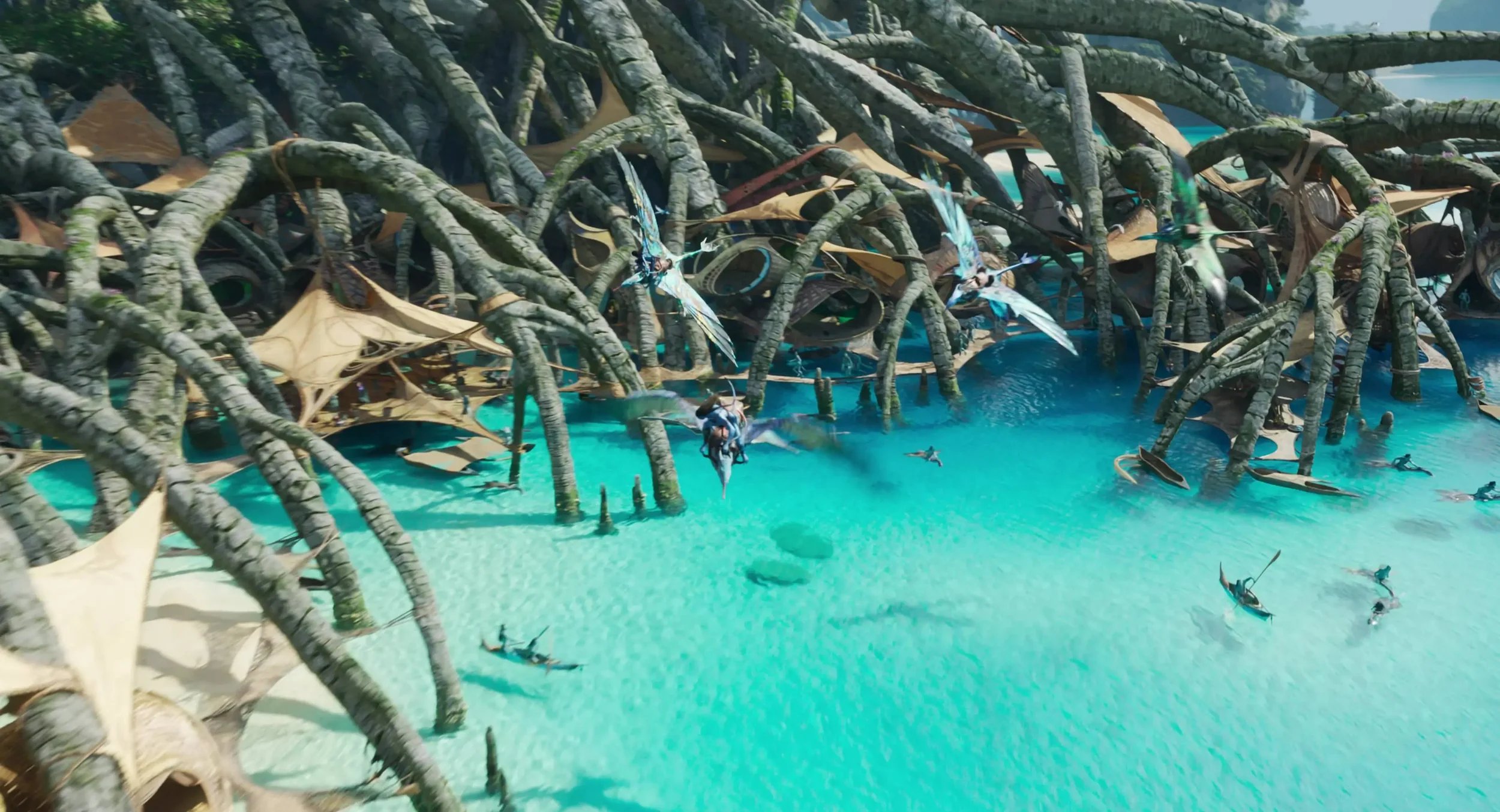
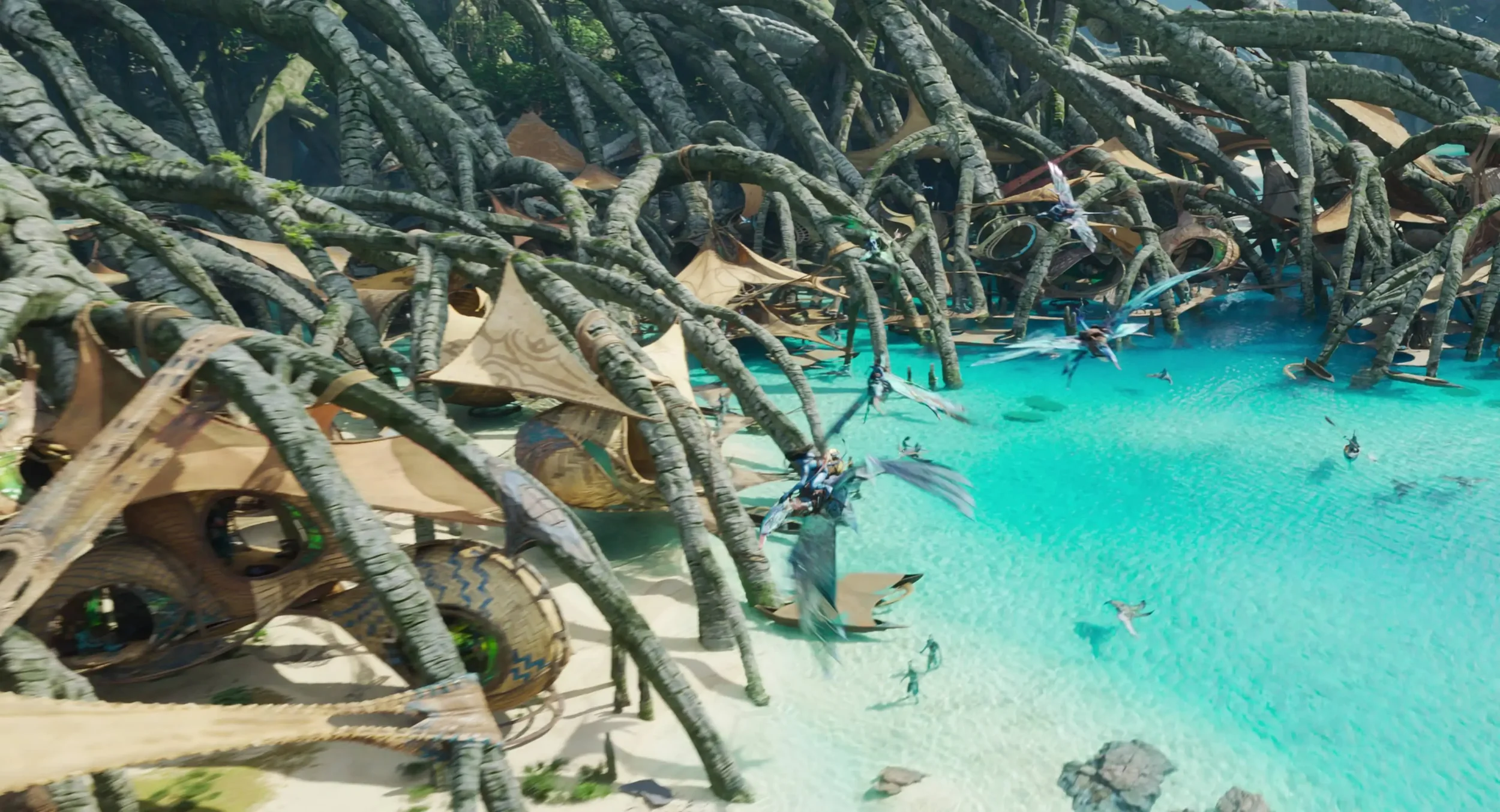
MEtkayina village
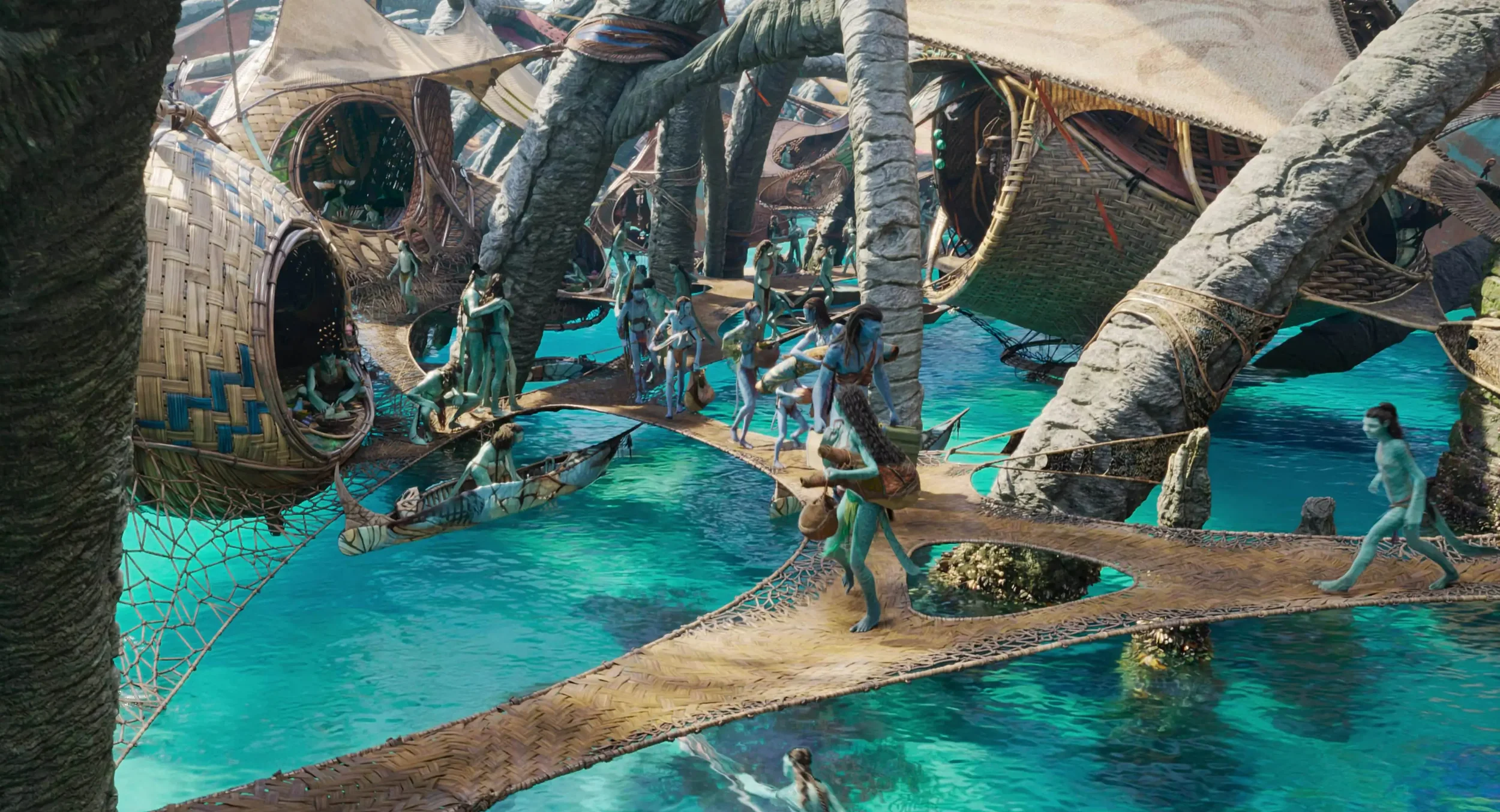
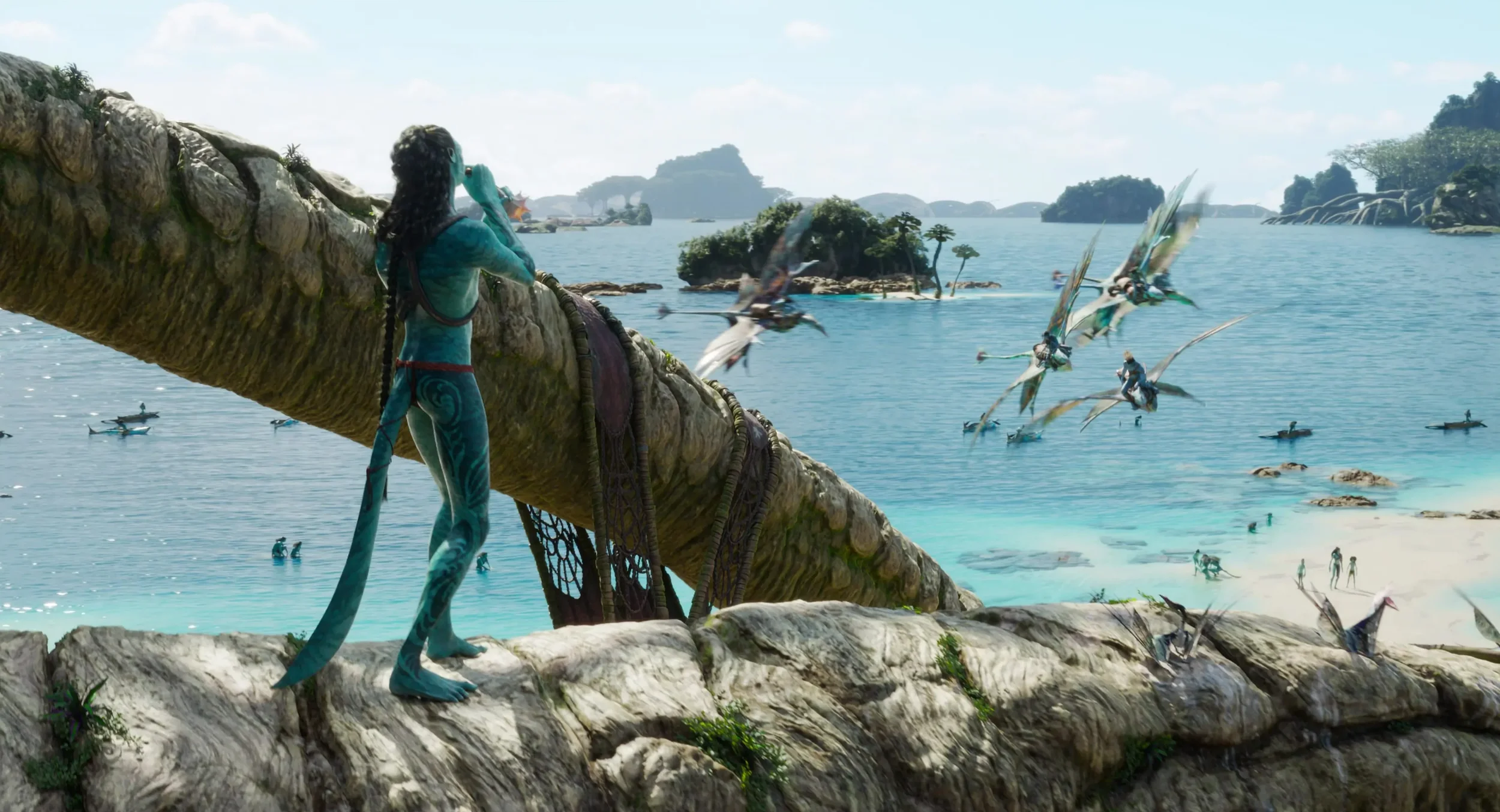
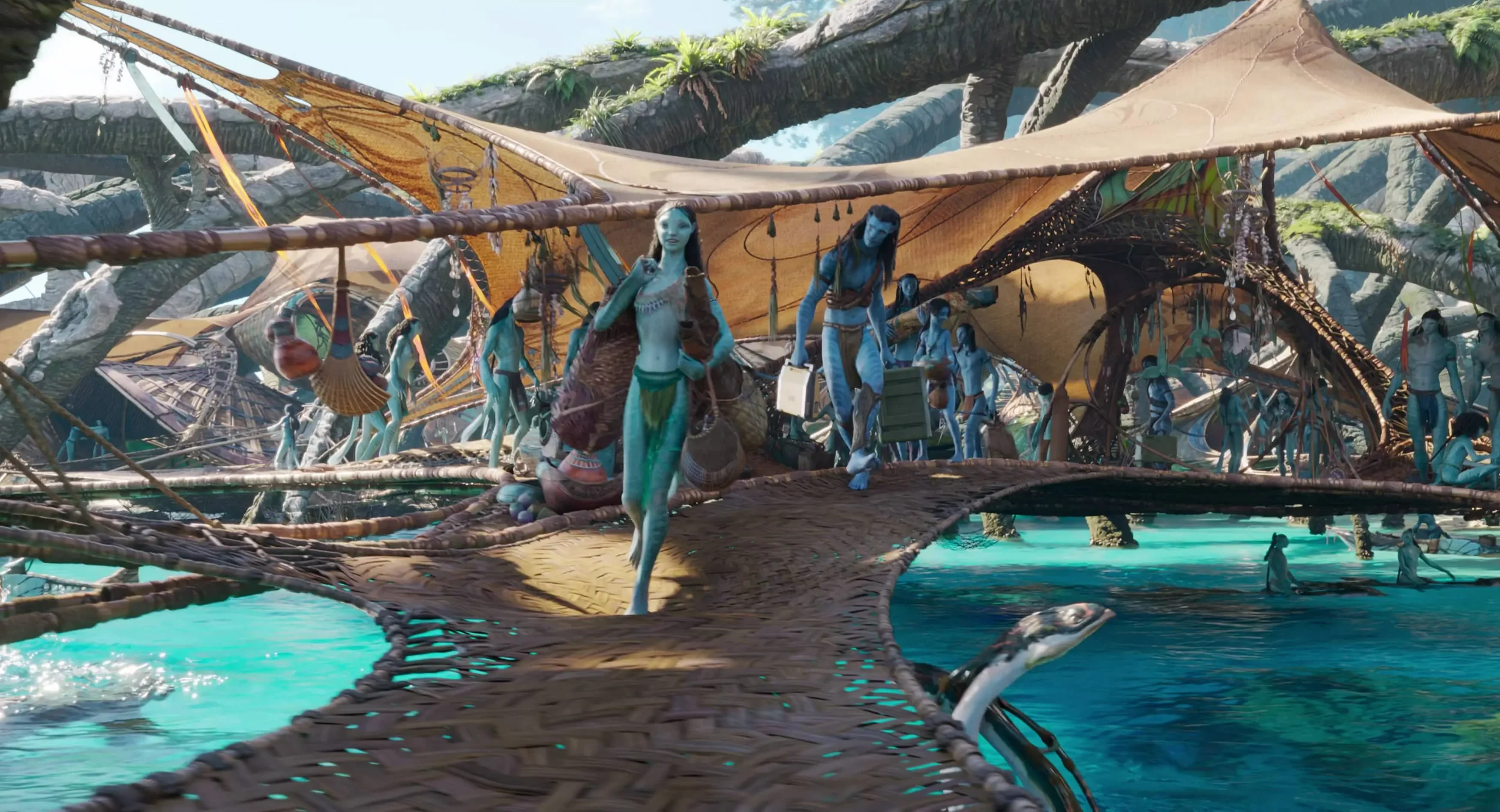
I was one of the first artists on what grew into a 30+ person team. The set started with our lead, two other artists, and me, and the crew grew and shifted as production went on. From the early stages I helped build the village from the ground up. I worked out the layout of its different pockets, created reusable structures and textures for a consistent look, and along with our team and concept artists developed the look of the walkway netting and the woven ties that anchor the structures to the tree roots.
Marui Homes
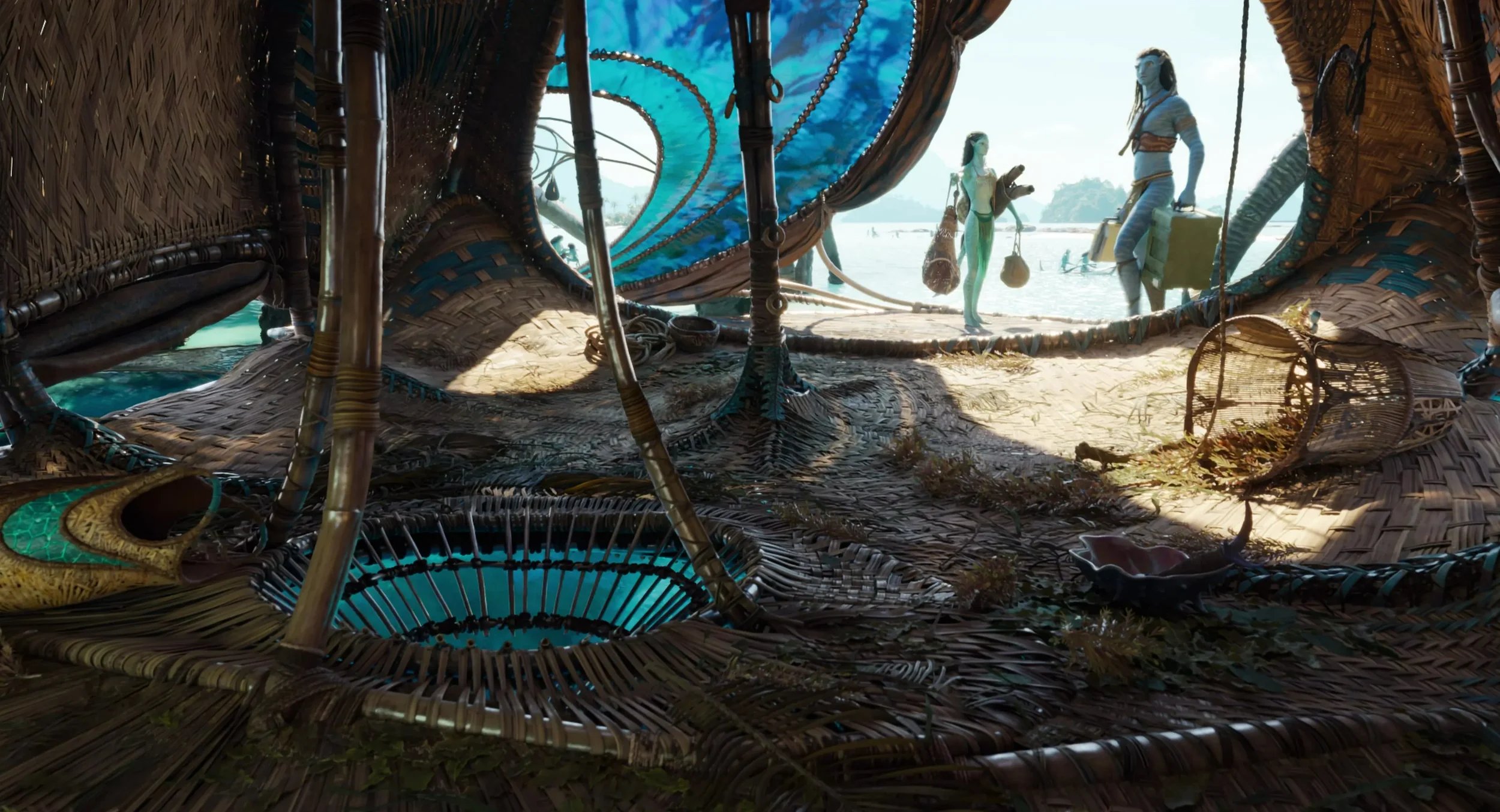
Translated concept art into 3D, working out how the marui (the Metkayina’s woven homes) would be constructed.
Modeled and textured homes throughout the village. Each was a functional interior space, so the structure had to hold up inside and out.
Walkways and Look Dev
Early development on the walkway netting, dialing in its look through texture and shader adjustments.
Built the woven ties that carry the weight of the structures down to the tree roots.
Props and Set Dressing
Modeled and textured set-dressing props, including vases, baskets, nets, tarps, and bowls.
Created a library of reusable assets and textures used across the village.
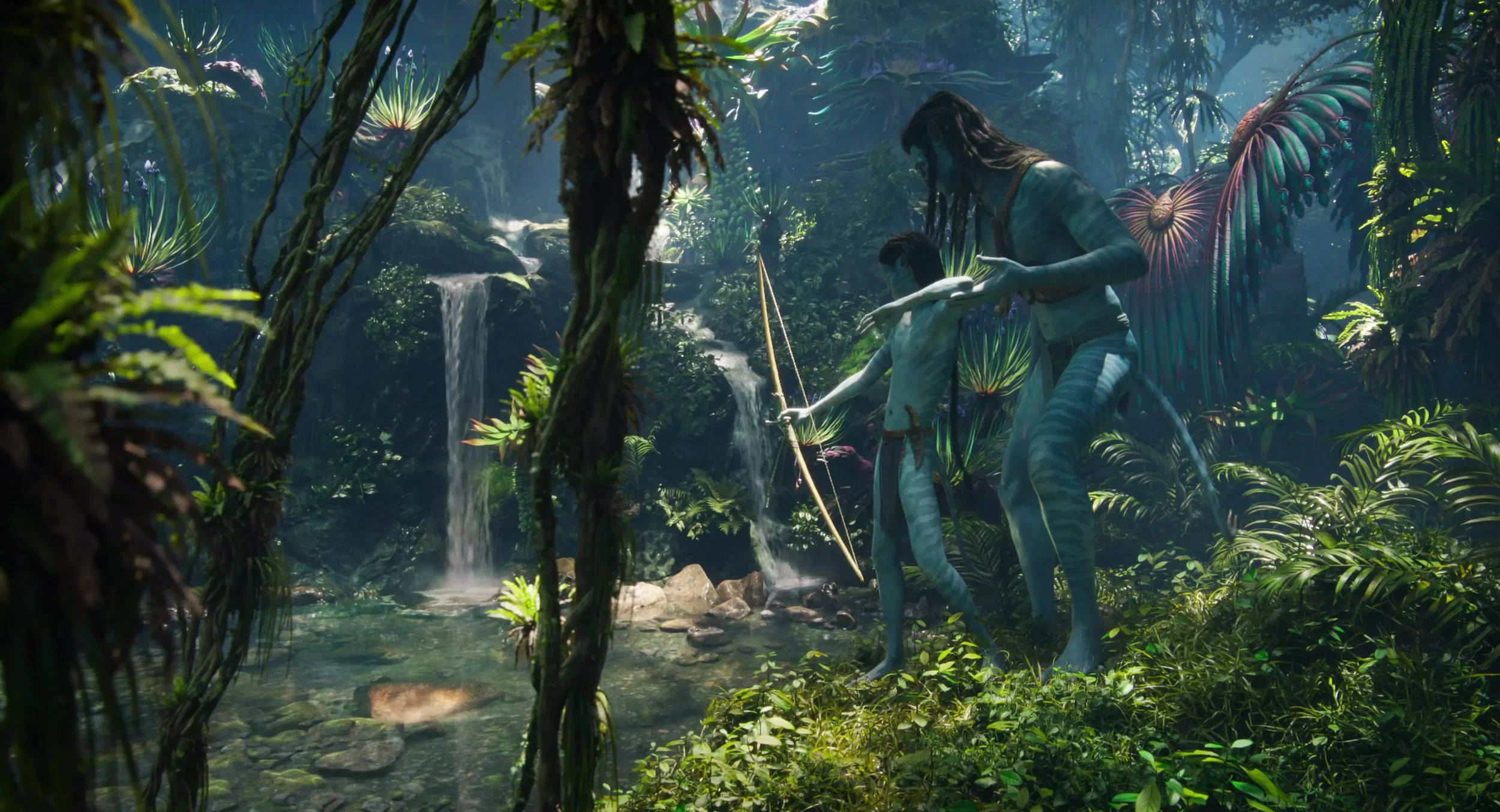
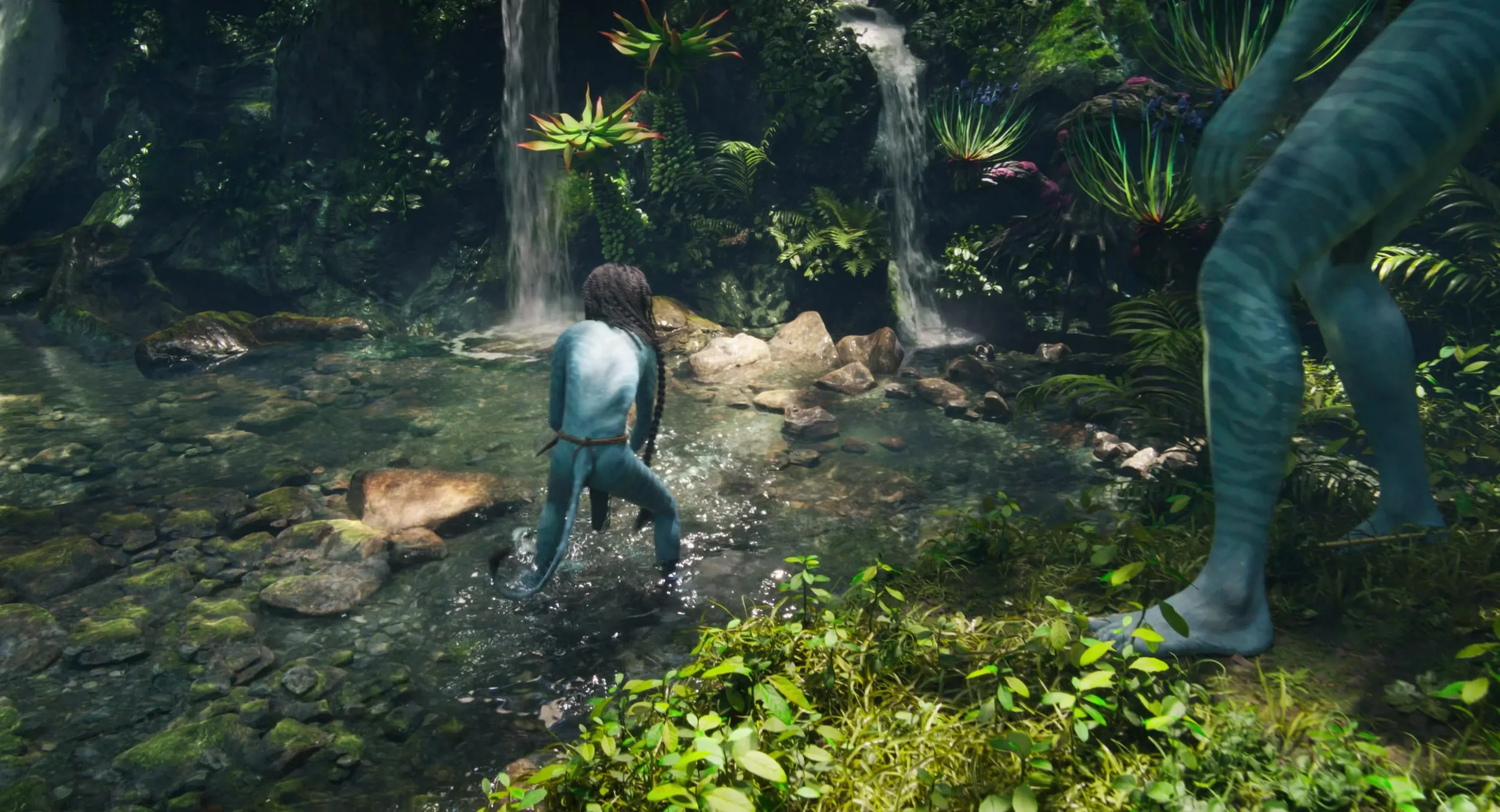
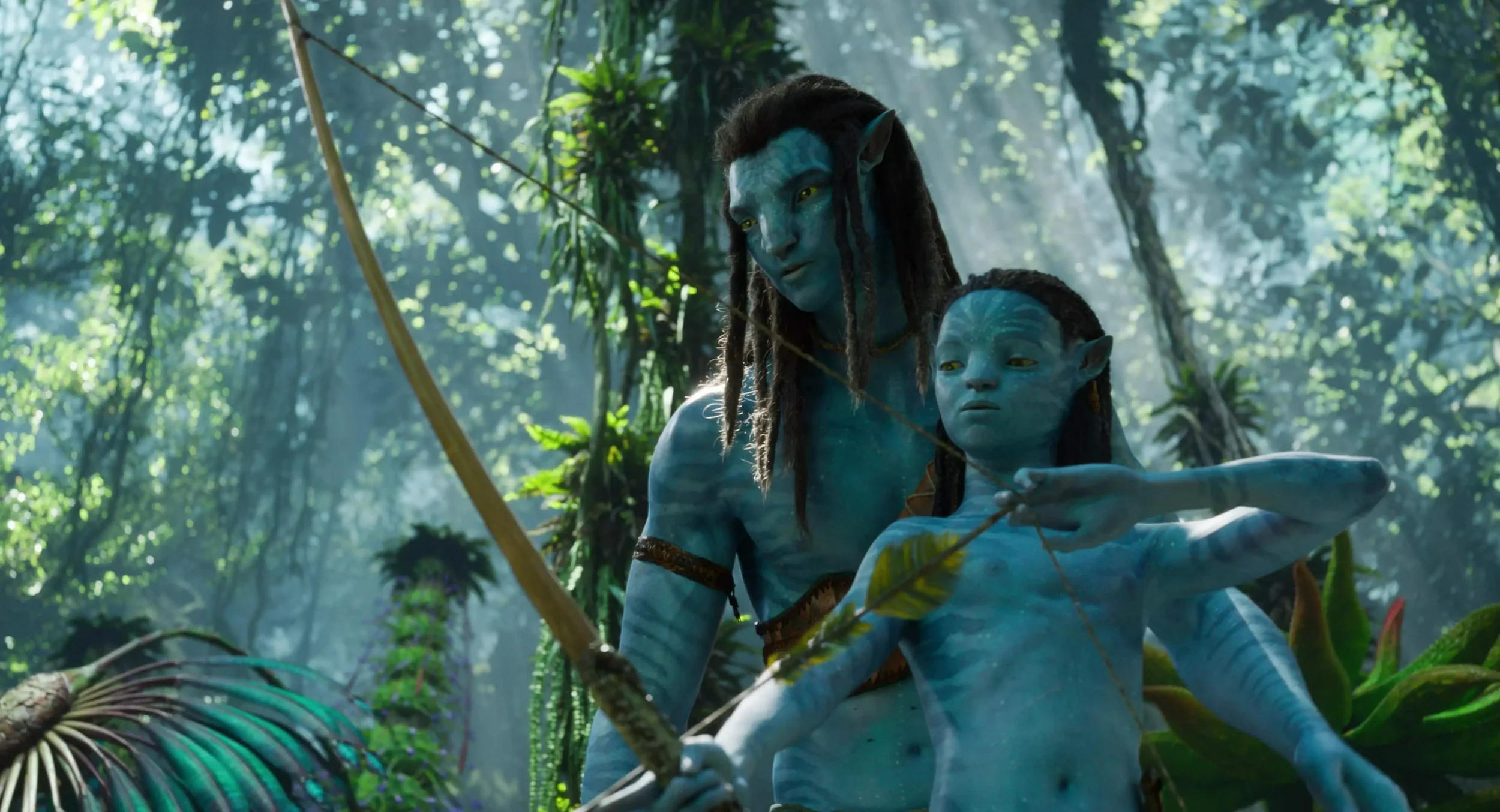
NETEYam fishing scene
I handled early layout for this scene, following the concept art to place assets and build out the set. The goal was a natural, serene feel. Later in production I came back to set dress the scene and make atmospheric adjustments, helping bring everything together into the final look of the shot.
Waterfall
Built up the rock cluster for the gentle waterfall through several early-stage passes.
Props and Set Dressing
Modeled and textured props for the scene, including vines and plants, as well as Jake’s arm piece and necklace.
Worked with the environment lead to dress the set with plants, vines, rocks, and trees, bringing it closer to the spirit of the concept art.
Atmosphere and Final Look
Adjusted the scene’s atmospherics to help unify the shot and land its final look.
Crashed scorpion site
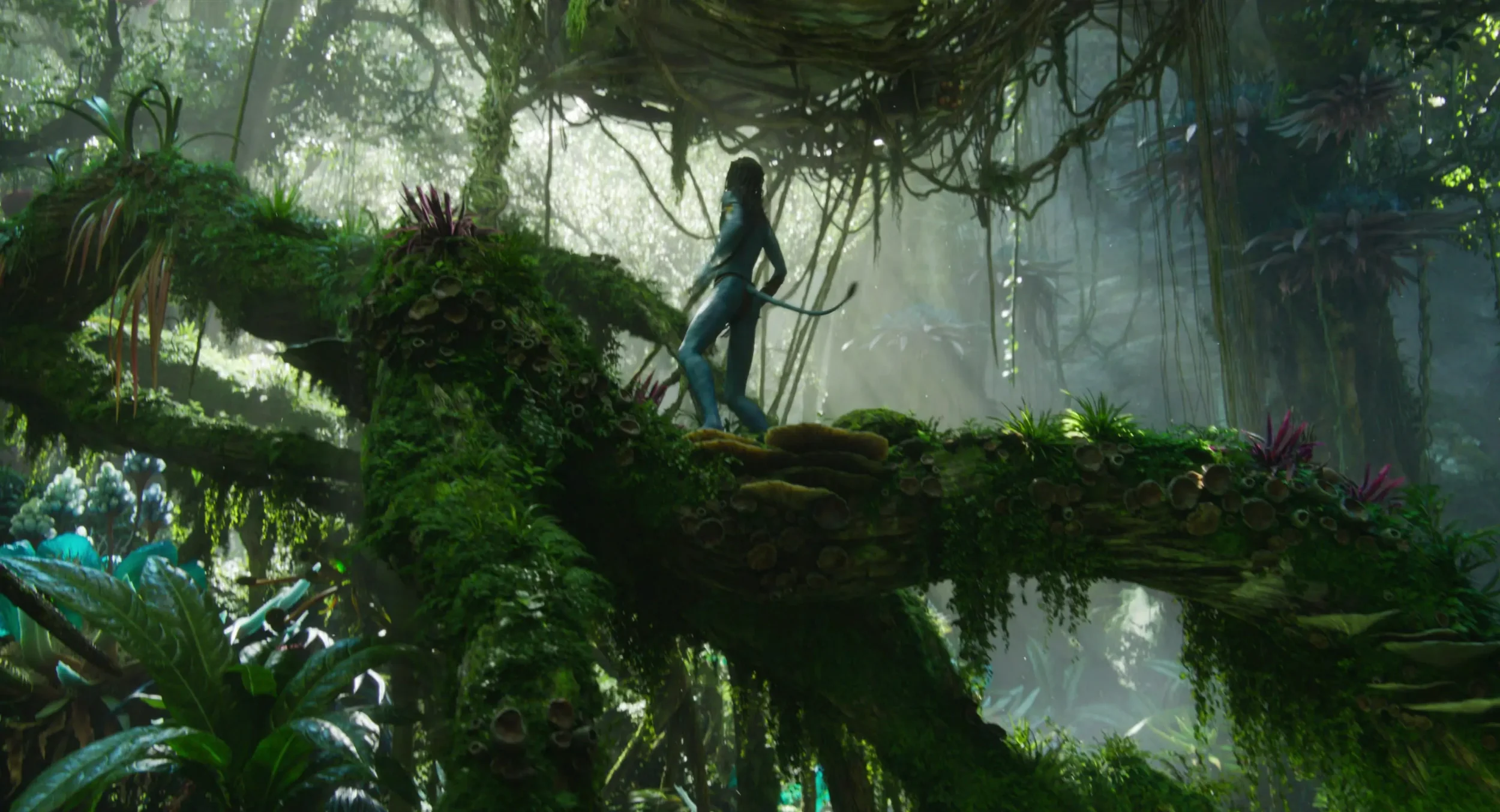
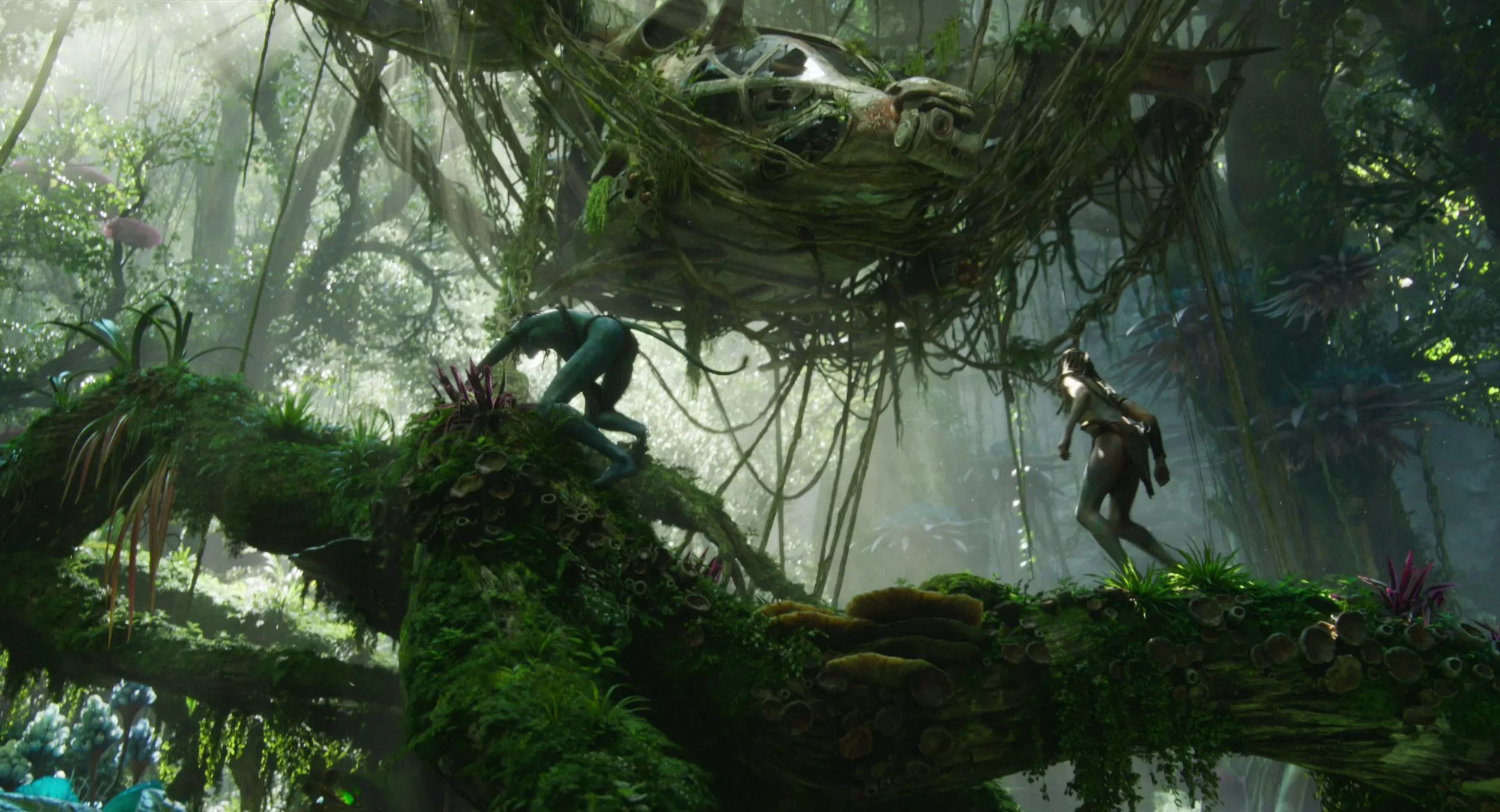
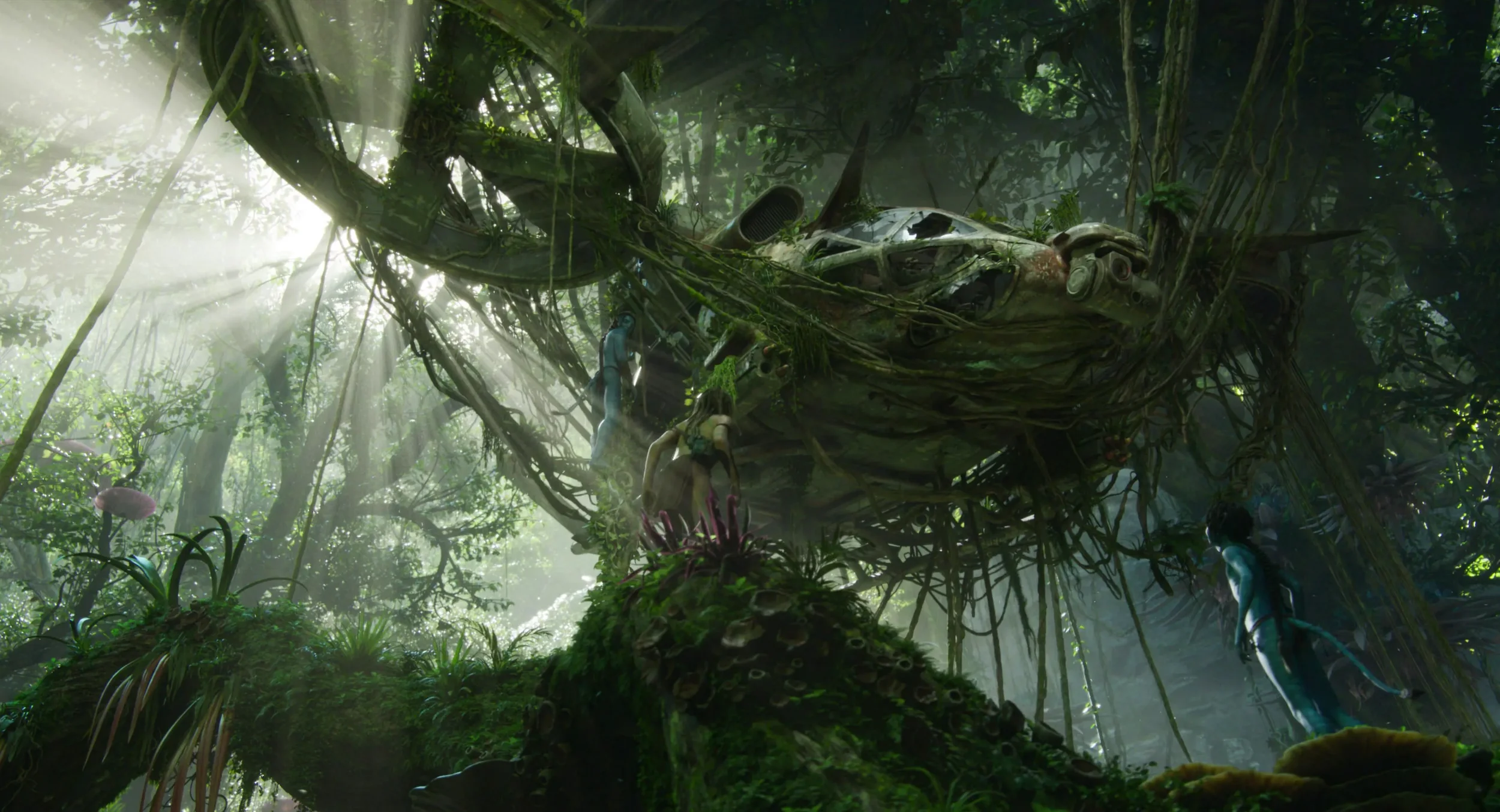
Early in the film, the kids stumble on a crashed Scorpion gunship and climb up to explore it. I was solely responsible for this scene: modeling and texturing, dressing both the set and the hero asset, and lighting and atmosphere. The goal was a beauty shot that shows how much time has passed, contrasting beautiful light against the remnant of a terrible war.
Hero Asset
Modeled and textured the crashed Scorpion, showing years of weathering and overgrowth since the war.
Set Dressing
Dressed the surrounding set and the wreck itself to tell the story of time passing.
Lighting and Atmosphere
Lit the scene and built its atmosphere, contrasting beautiful light against the wreckage to land the beauty shot.
Sole Ownership
Carried the entire scene from modeling through final lighting as the only artist on it.
rda return to pandora
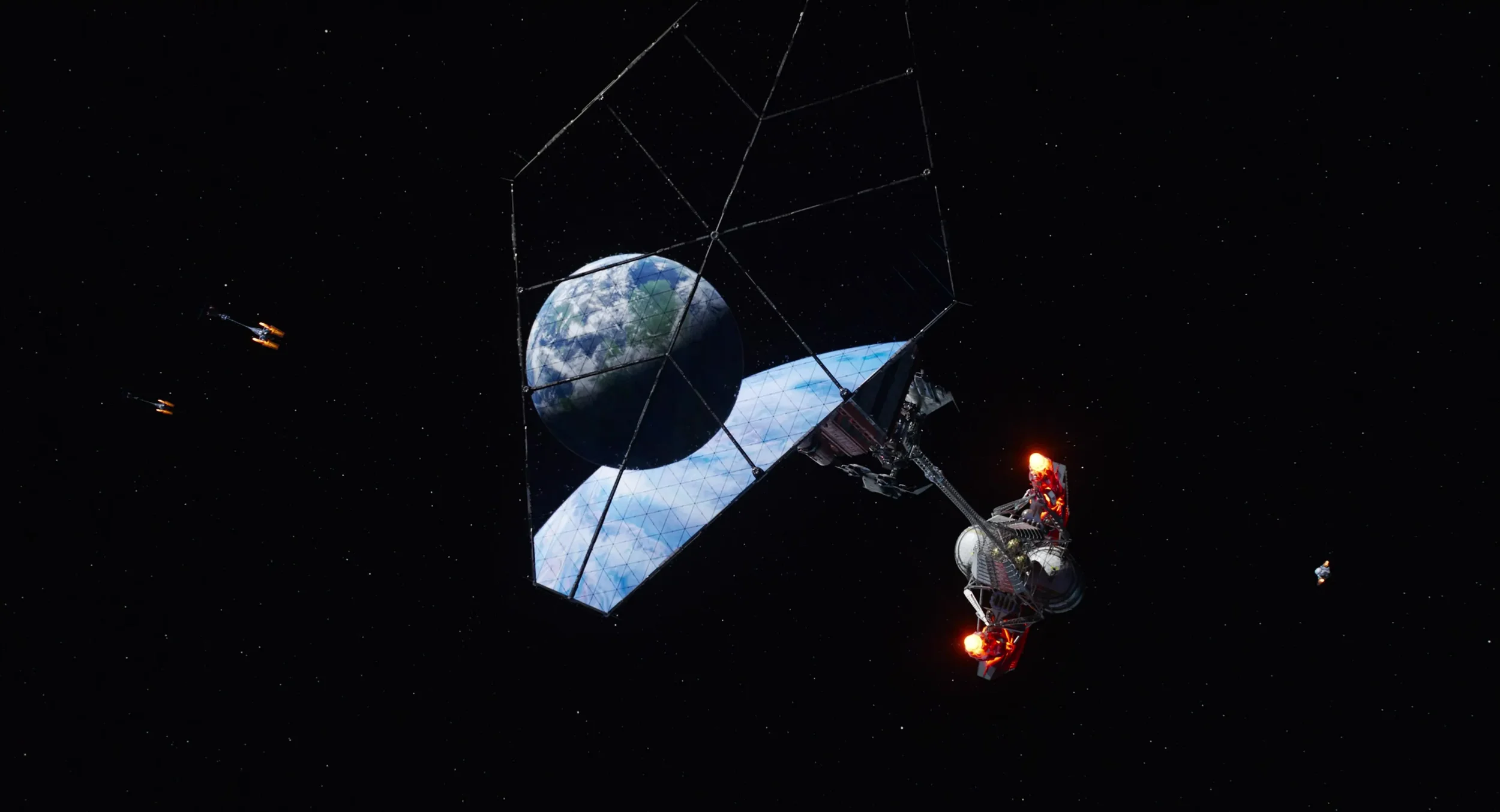
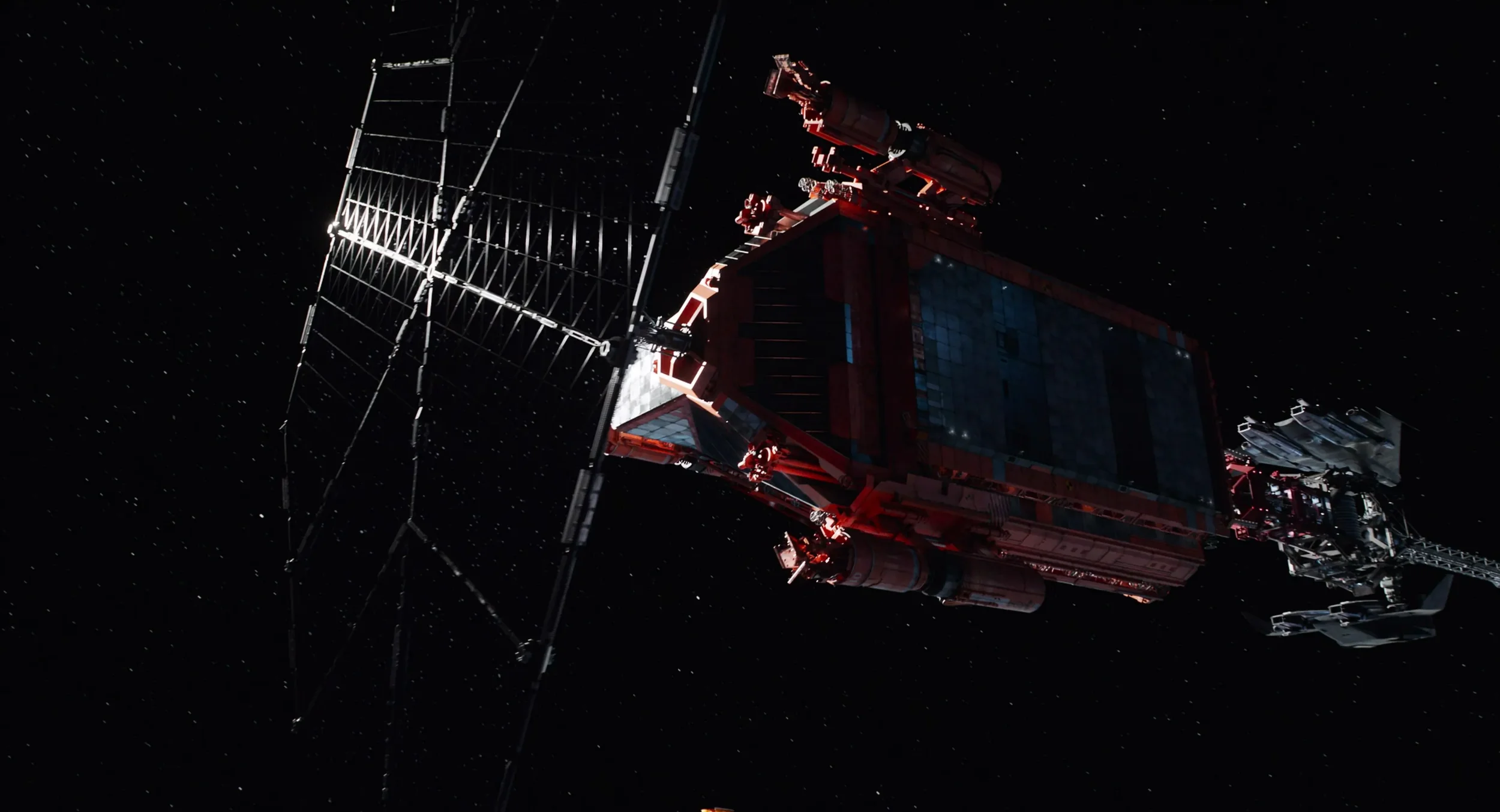
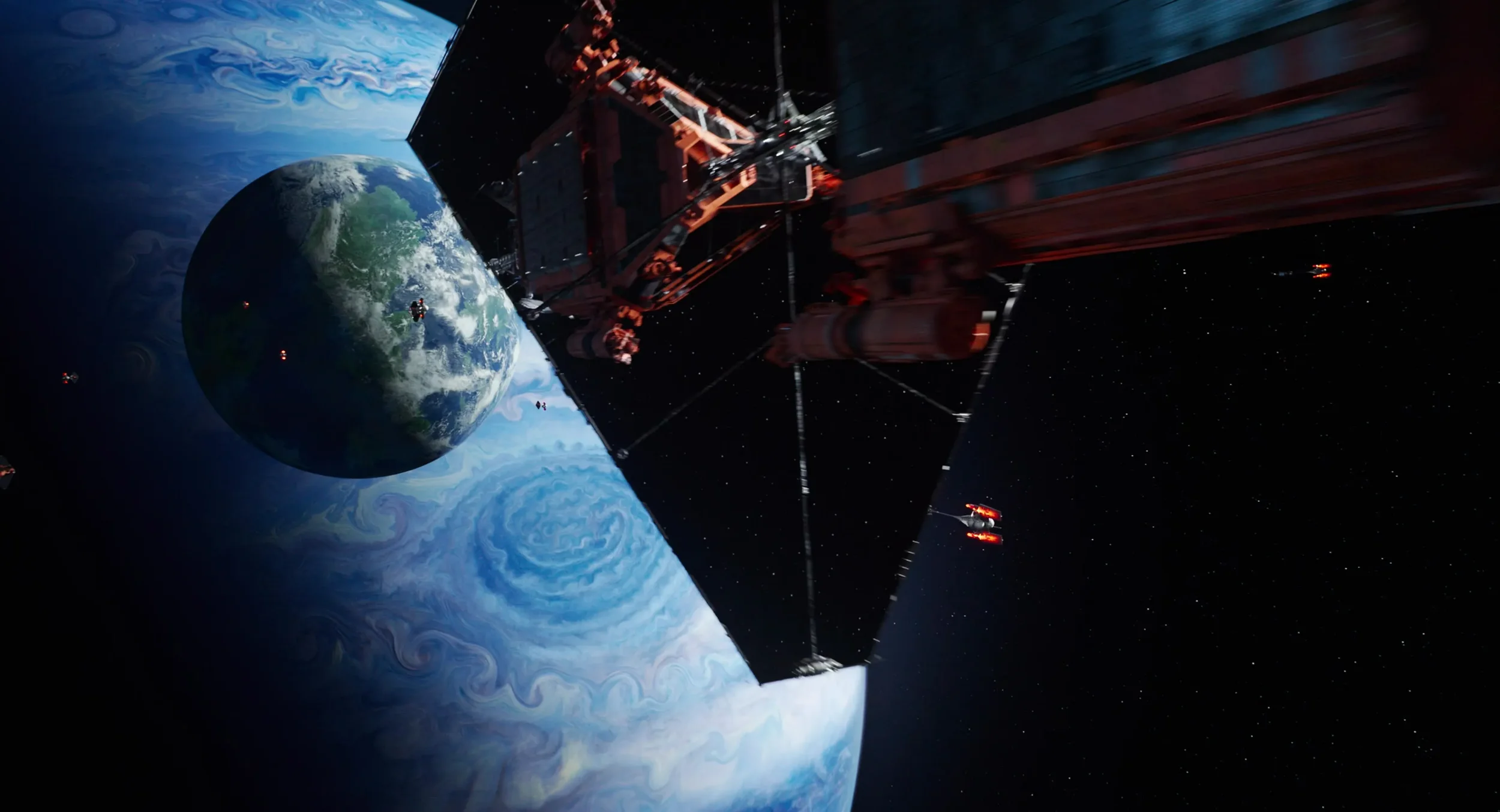
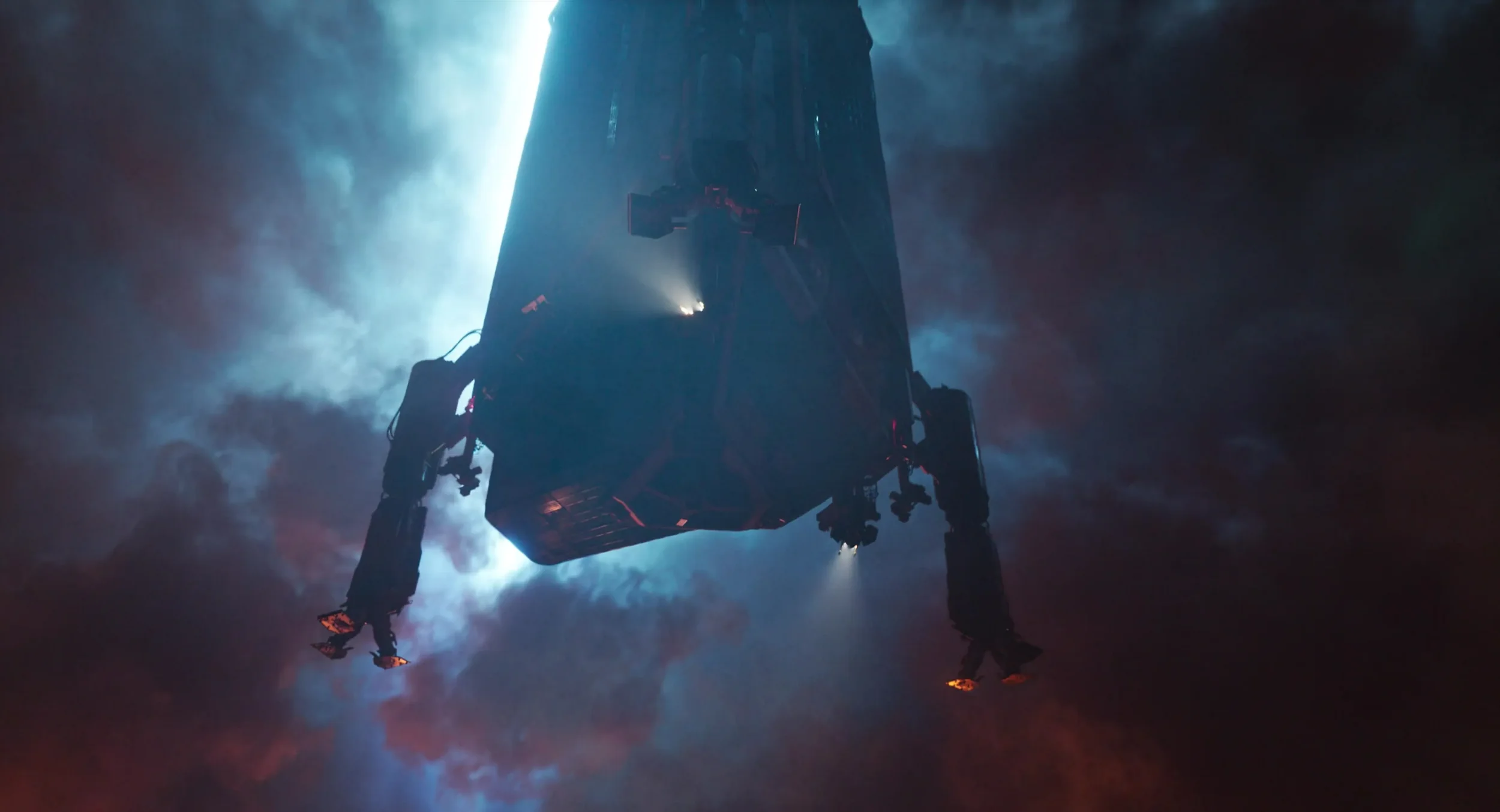
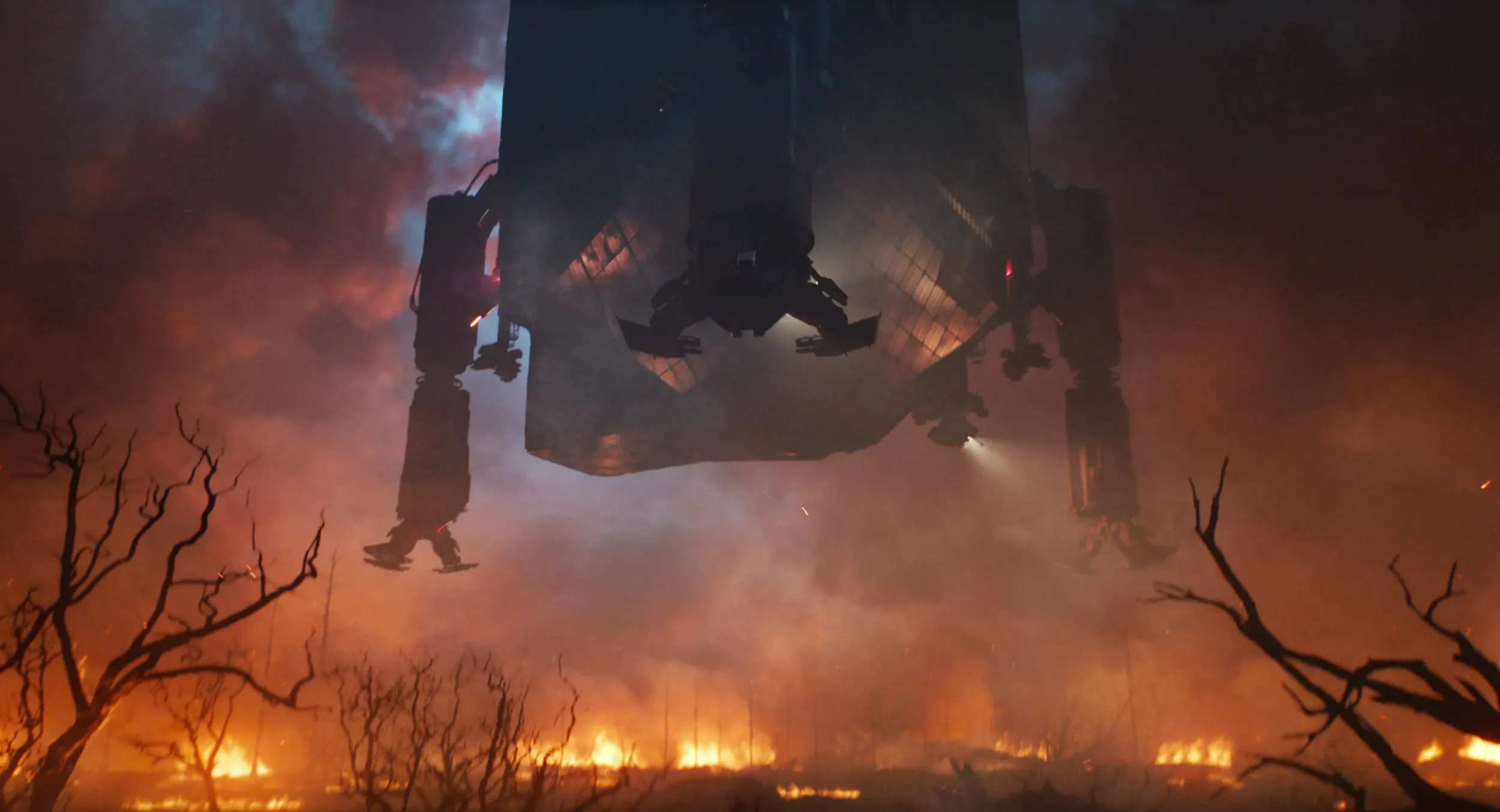
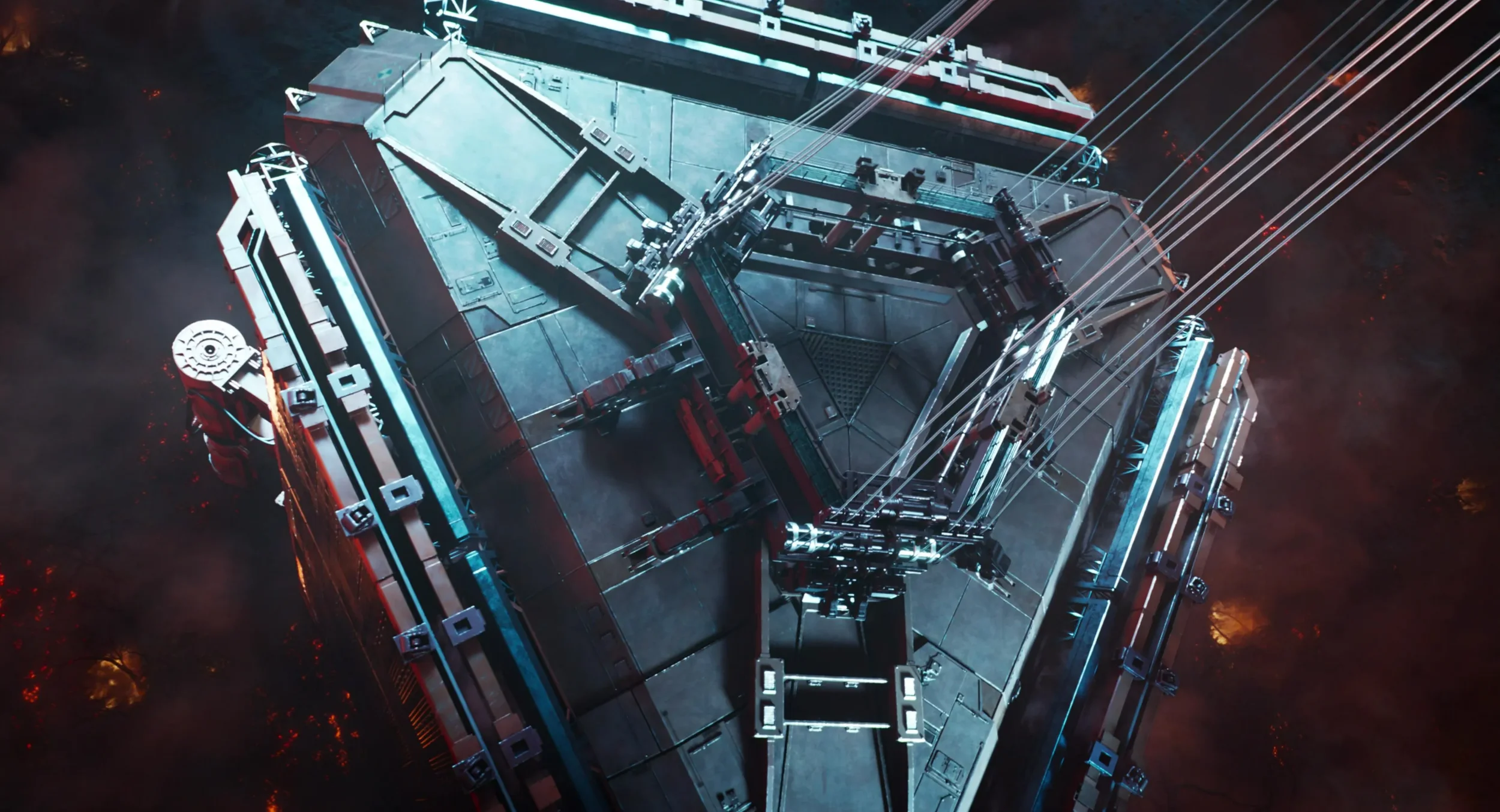
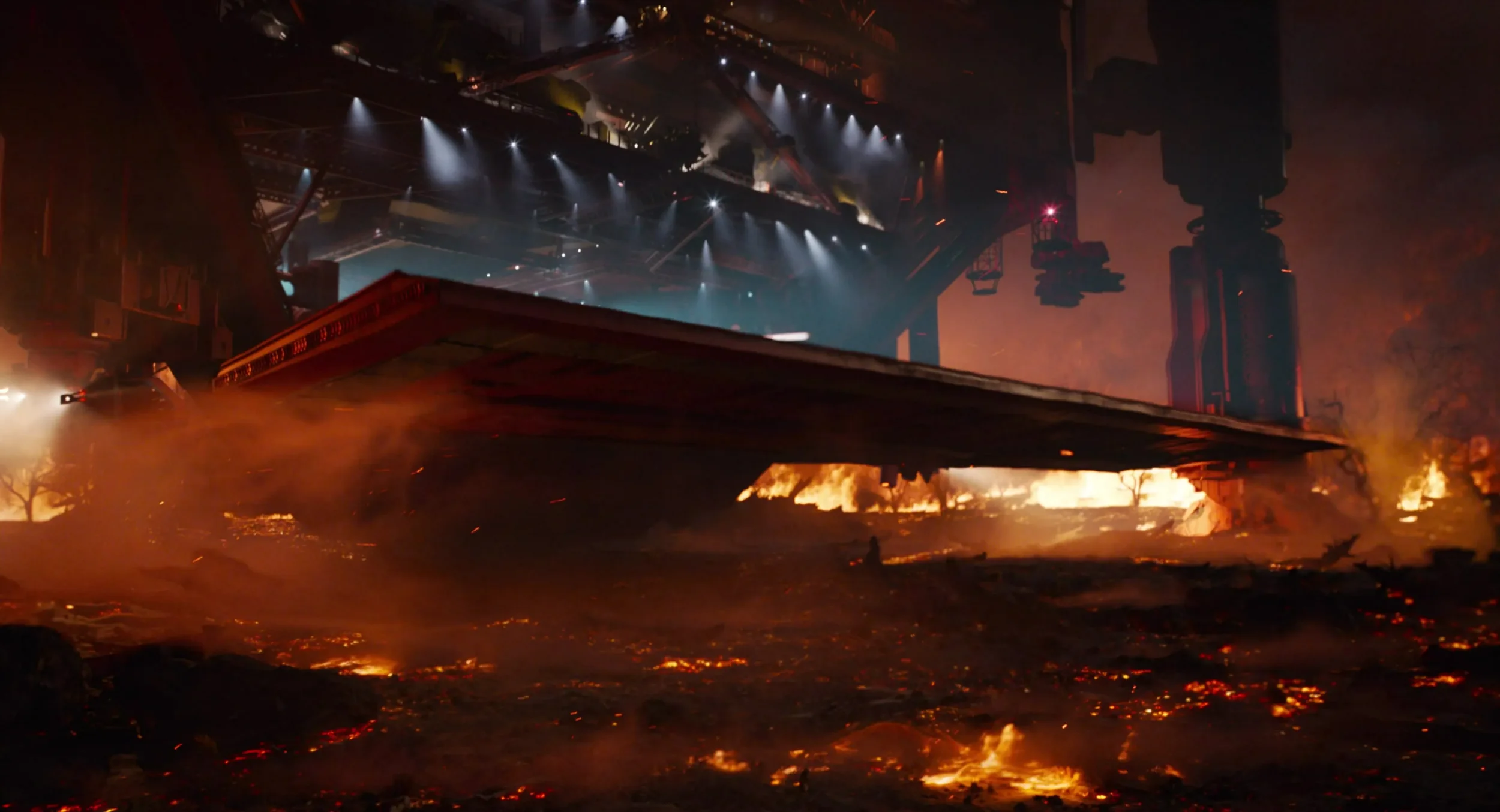
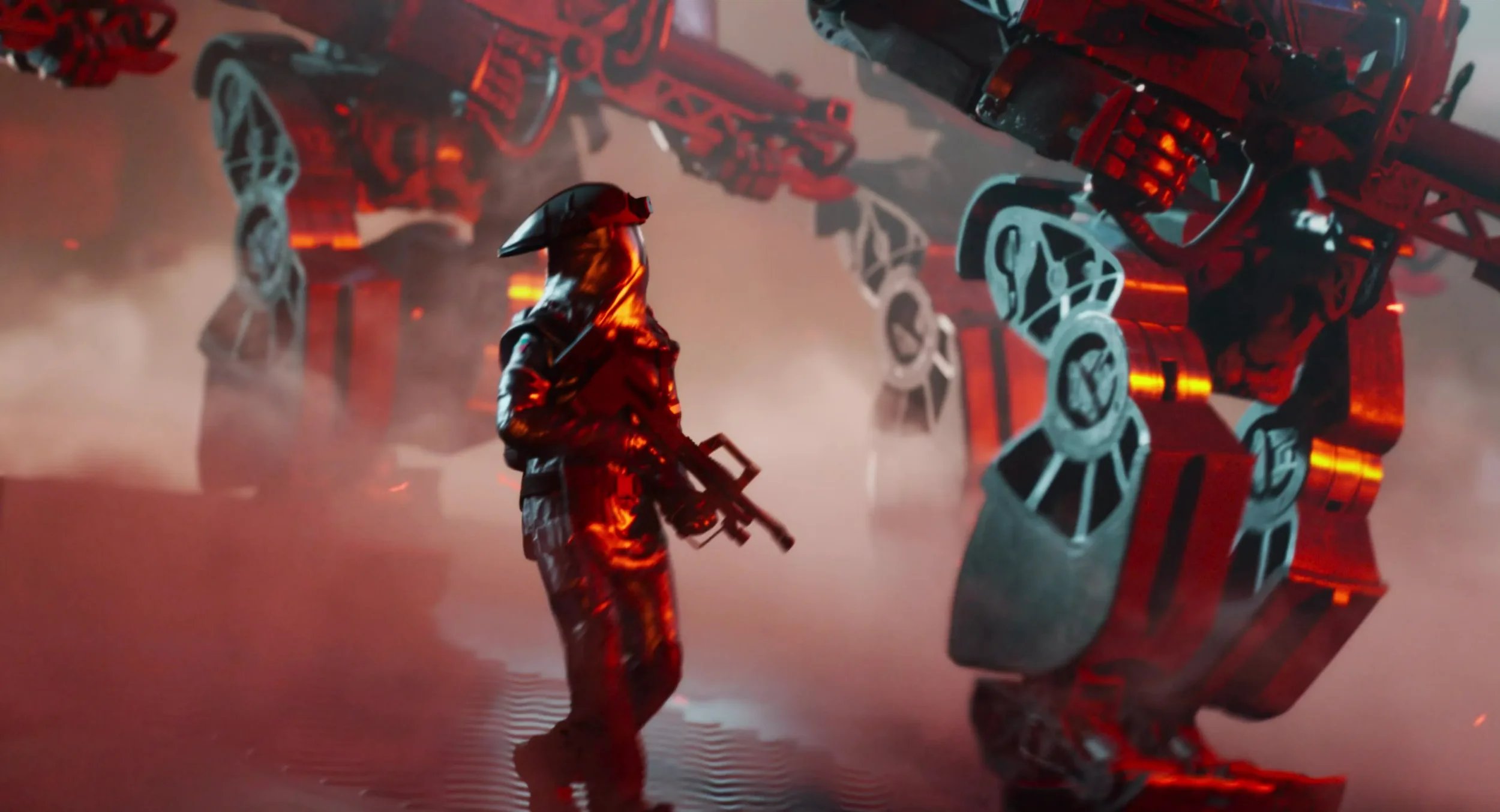
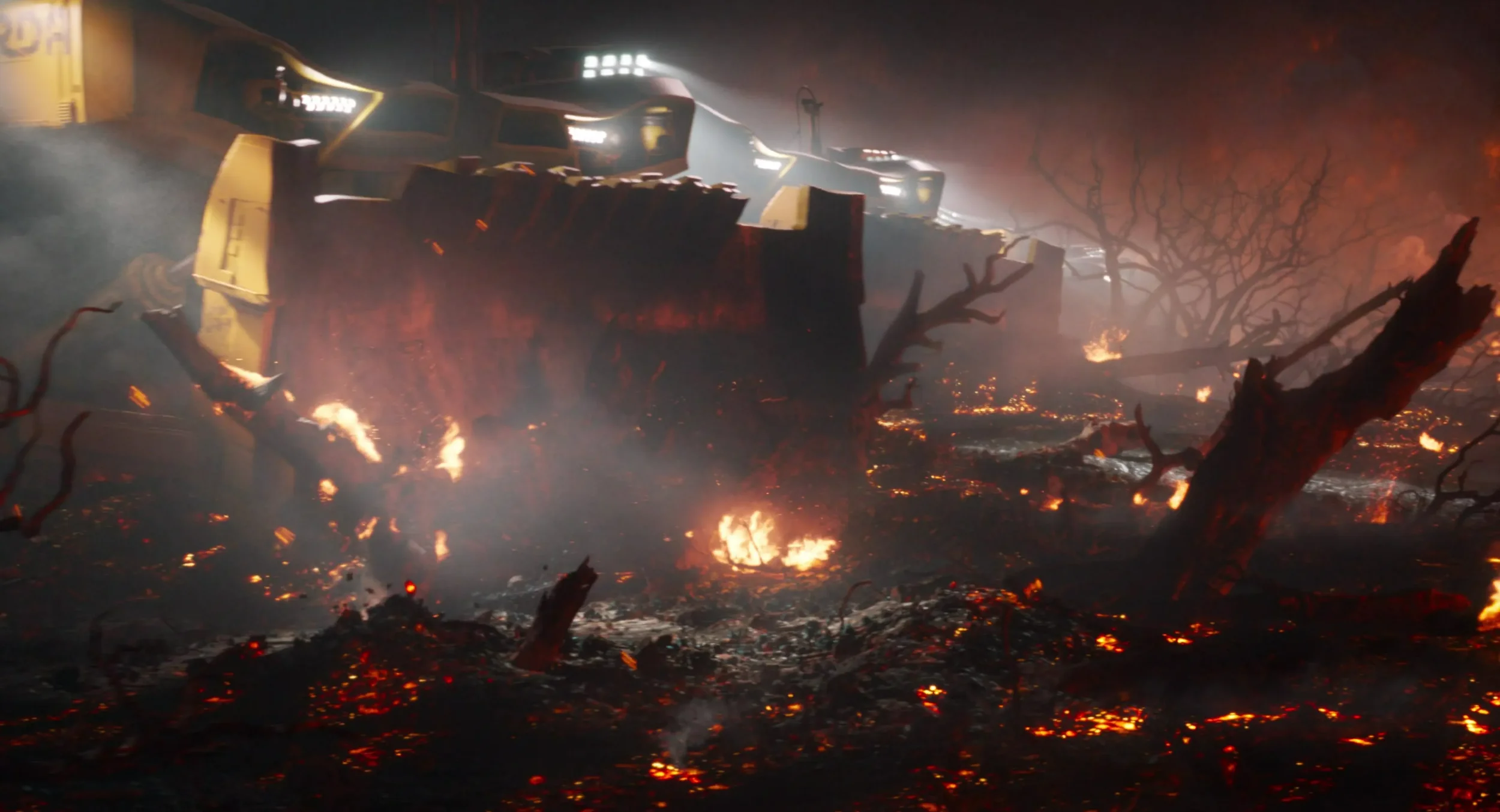
I did extensive modeling and texturing for this scene. Working with our production designer and concept art team, I helped develop the look of the mega shipping container the RDA sends to Pandora to build out their cities, from its landing gear to its interior. I also got the chance to work with our costume designer and production designer on an RDA anti-fire suit for the humans walking out of the container alongside the AMP suit mechs.
Shipping Container
Modeled and textured the mega shipping container, and helped finalize its orange metallic finish and the metallic look of its top attachment.
Interior Layout
Laid out the container’s interior, working out the floor levels and the spacing of everything that needed to fit inside.
Vehicle Updates
Modeled and textured updates to existing ISV (interstellar vessel) and bulldozer assets.
Anti-Fire Suit
Concepted, modeled, and textured the helmet and suit together with production designer Ben Procter and costume designer Deb Scott.
Train crash scene
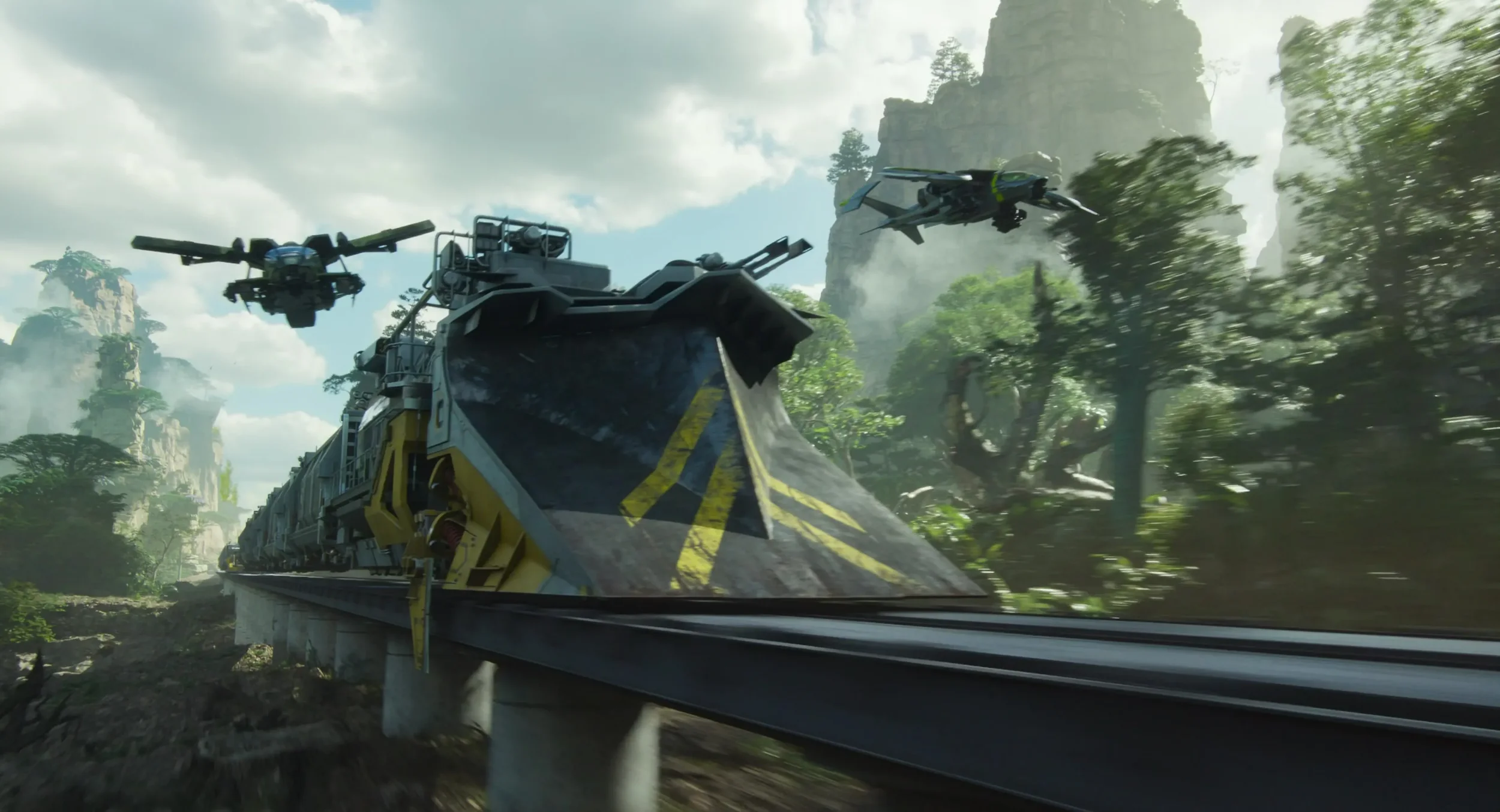
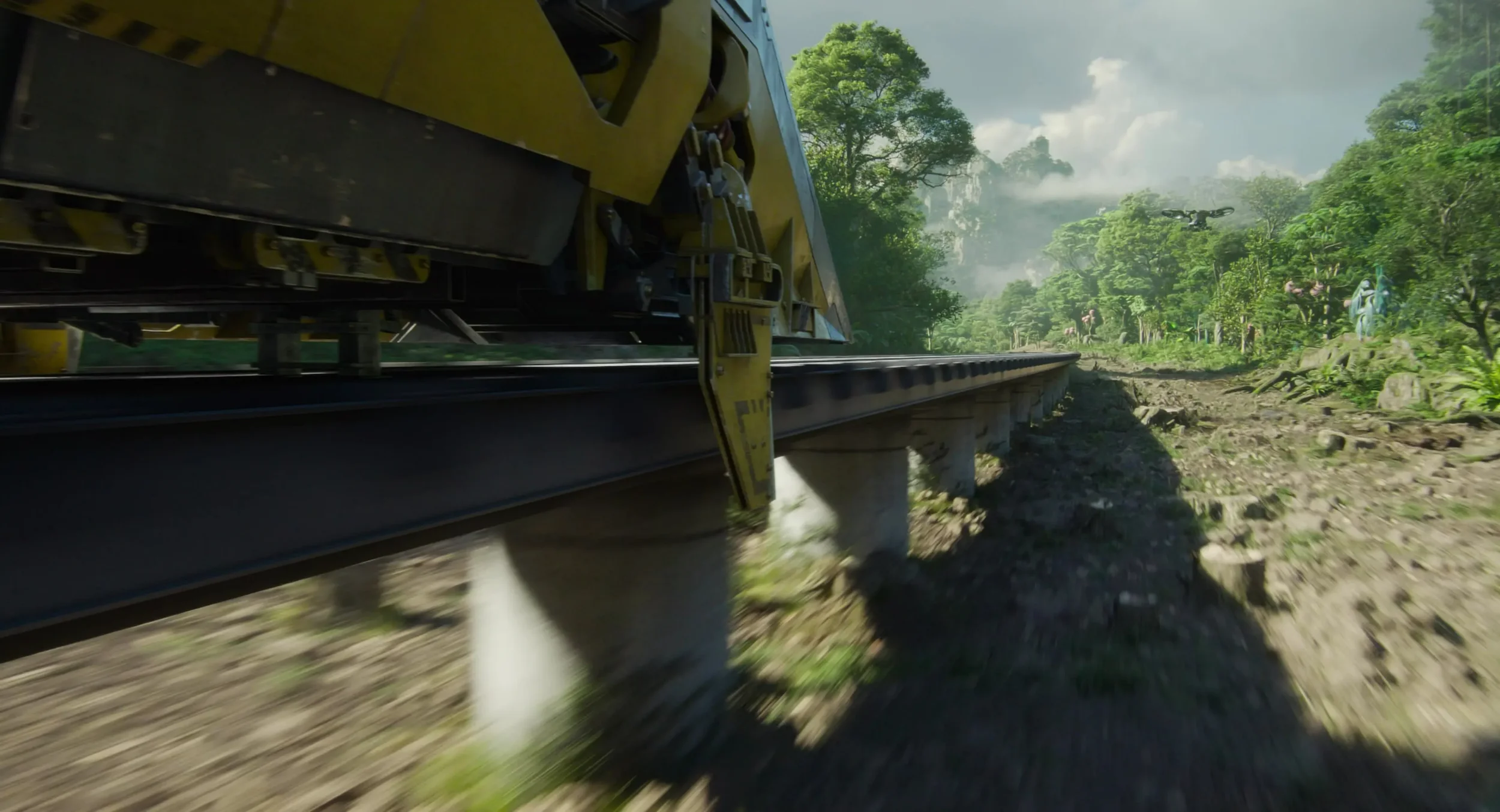
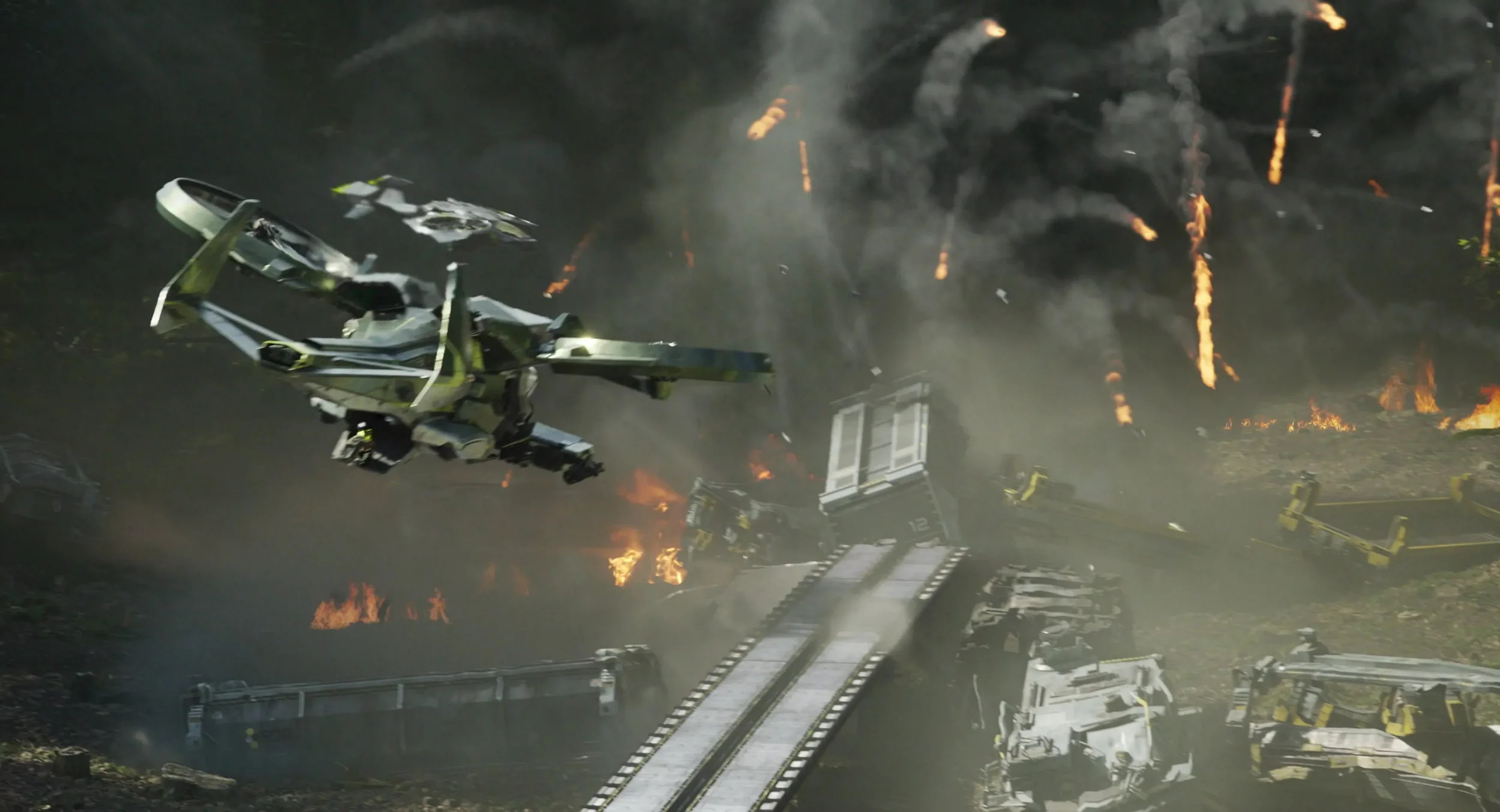
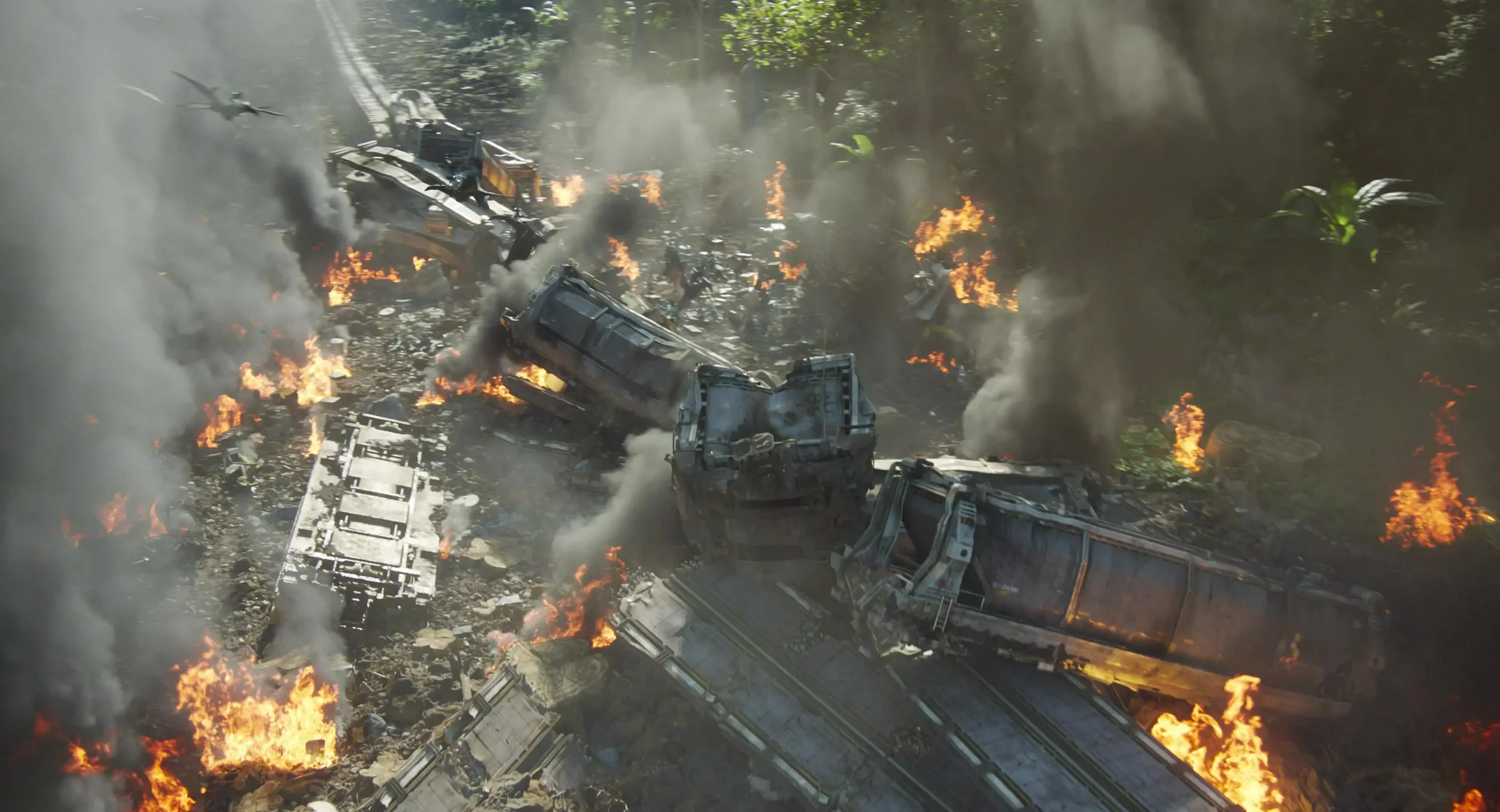
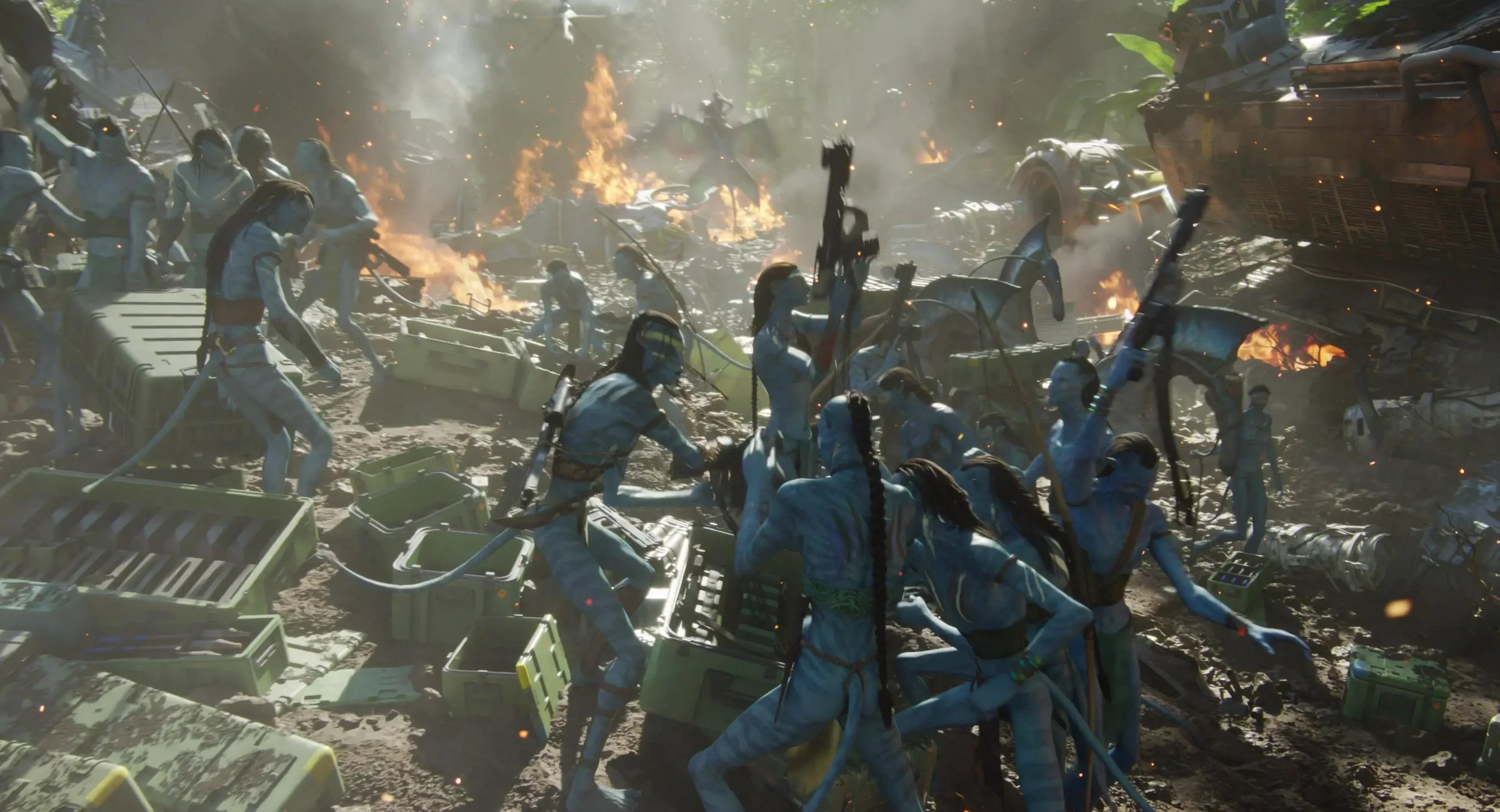
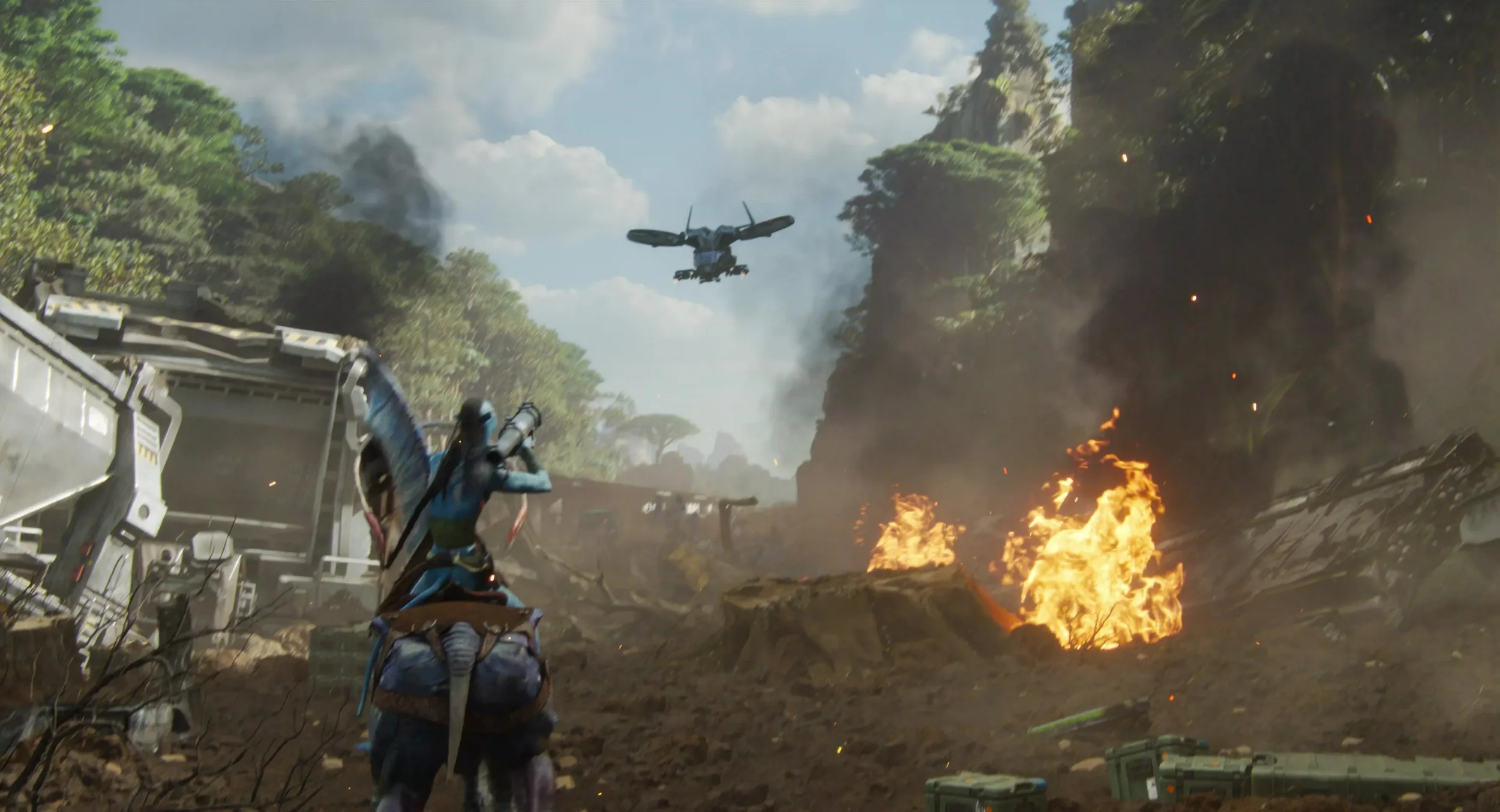
I modeled and textured the maglev armored train together with our concept art team and two other artists. I also handled early layout for the crashed train set, working out the space the explosion would create and where the train would end up after it blew. On top of that, I modeled and textured props and helped dress the scene.
Maglev Armored Train
Working from concept art, modeled and textured the front of the train and sections throughout, alongside the rest of the team.
Crash Layout
Worked out the space for the crash, scattering the wreckage believably so it would line up with our simulated crash animation.
Created textures for the burn areas.
Props and Set Dressing
Modeled and textured small props such as crates and gun attachments, and helped dress them around the scene under the direction of our set lead.
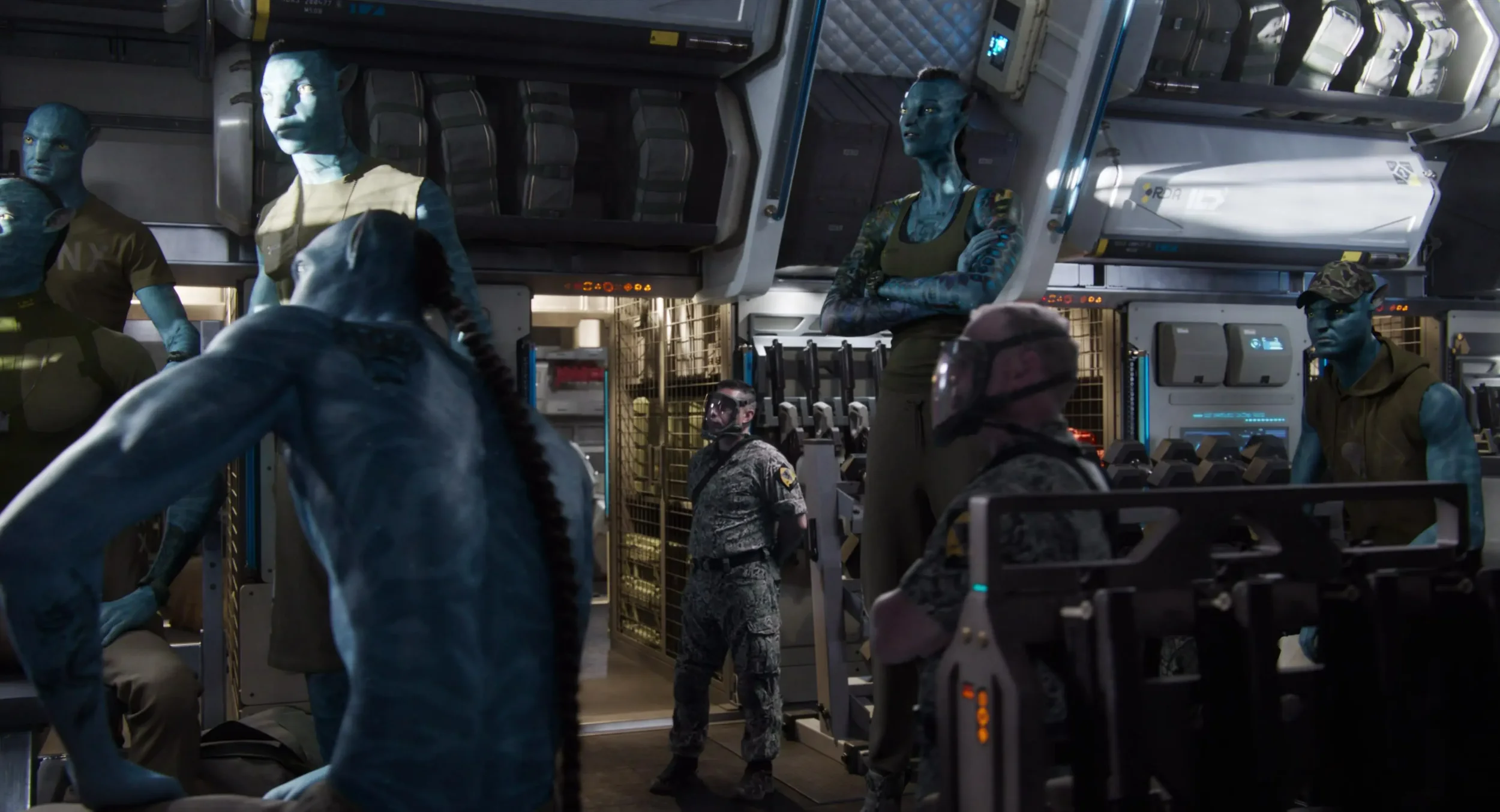
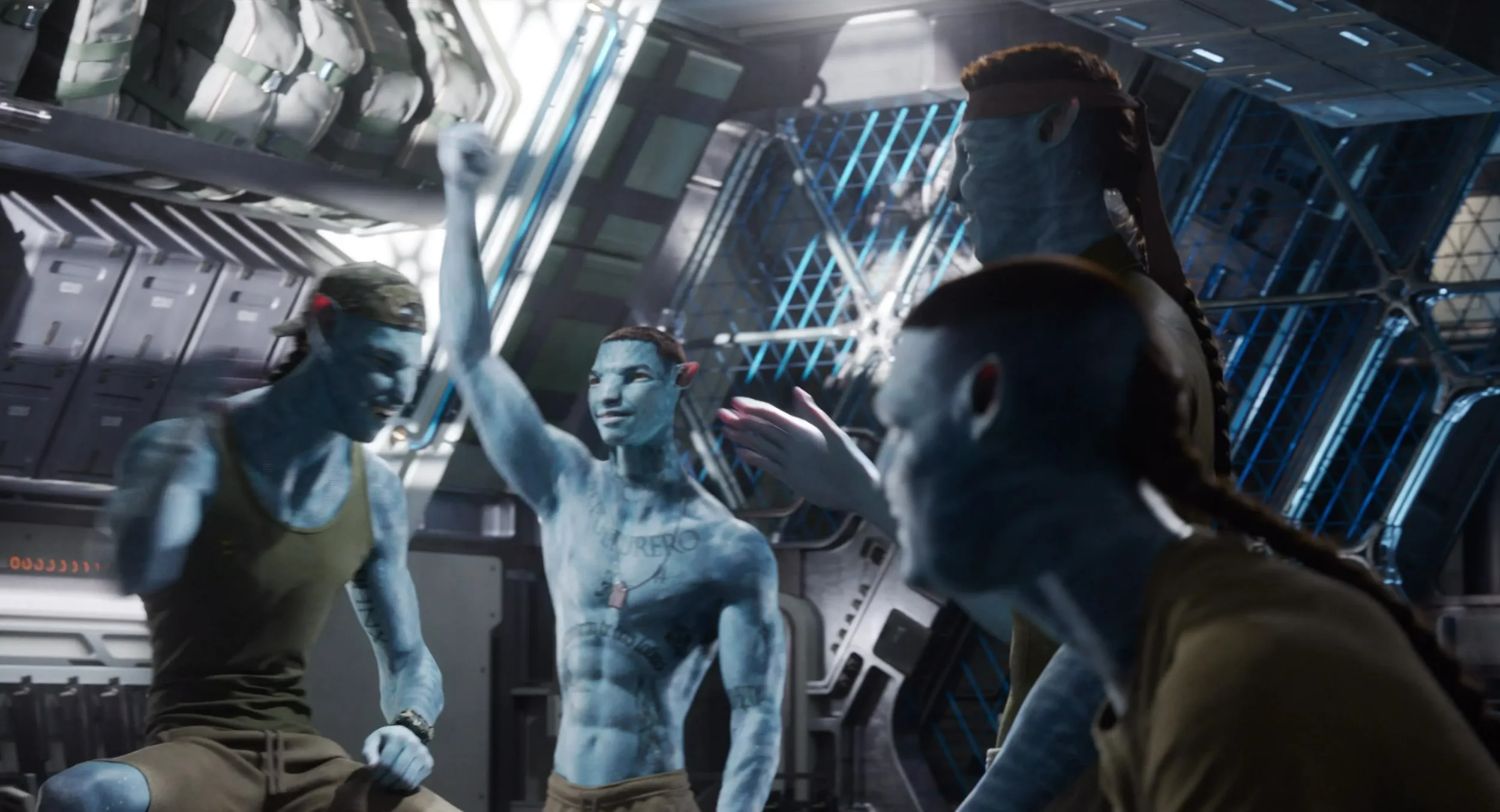
recom squad bay
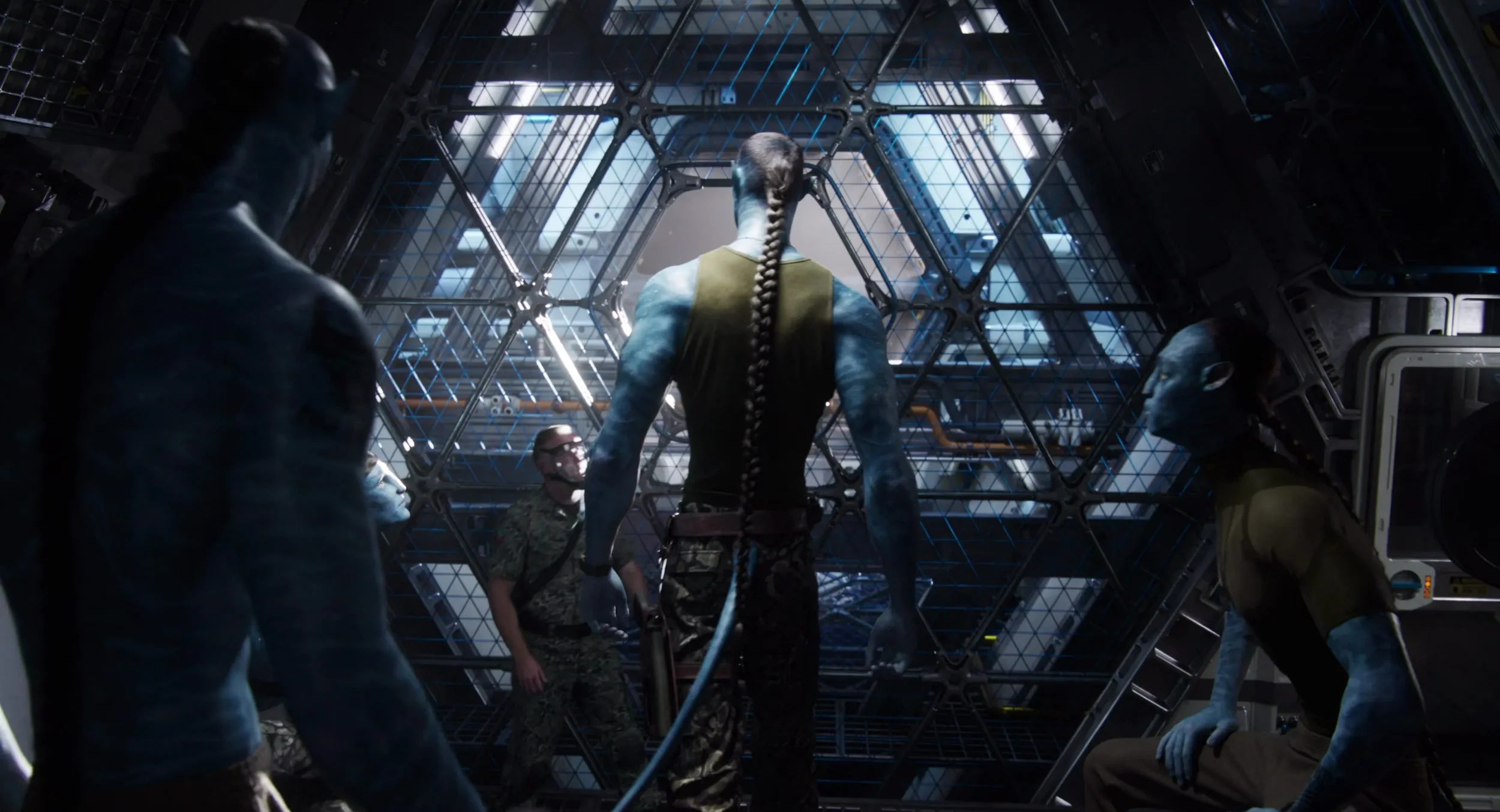
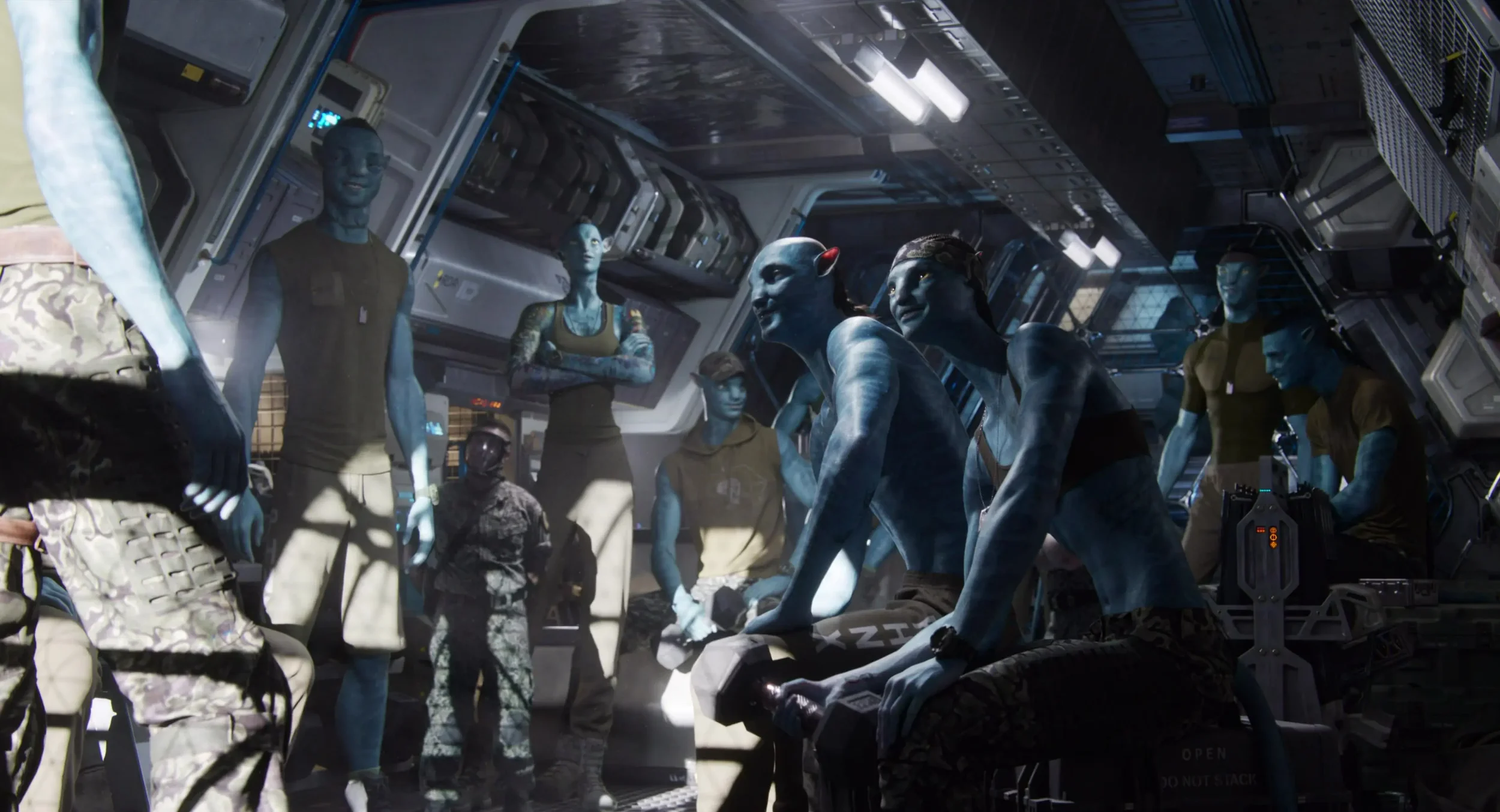
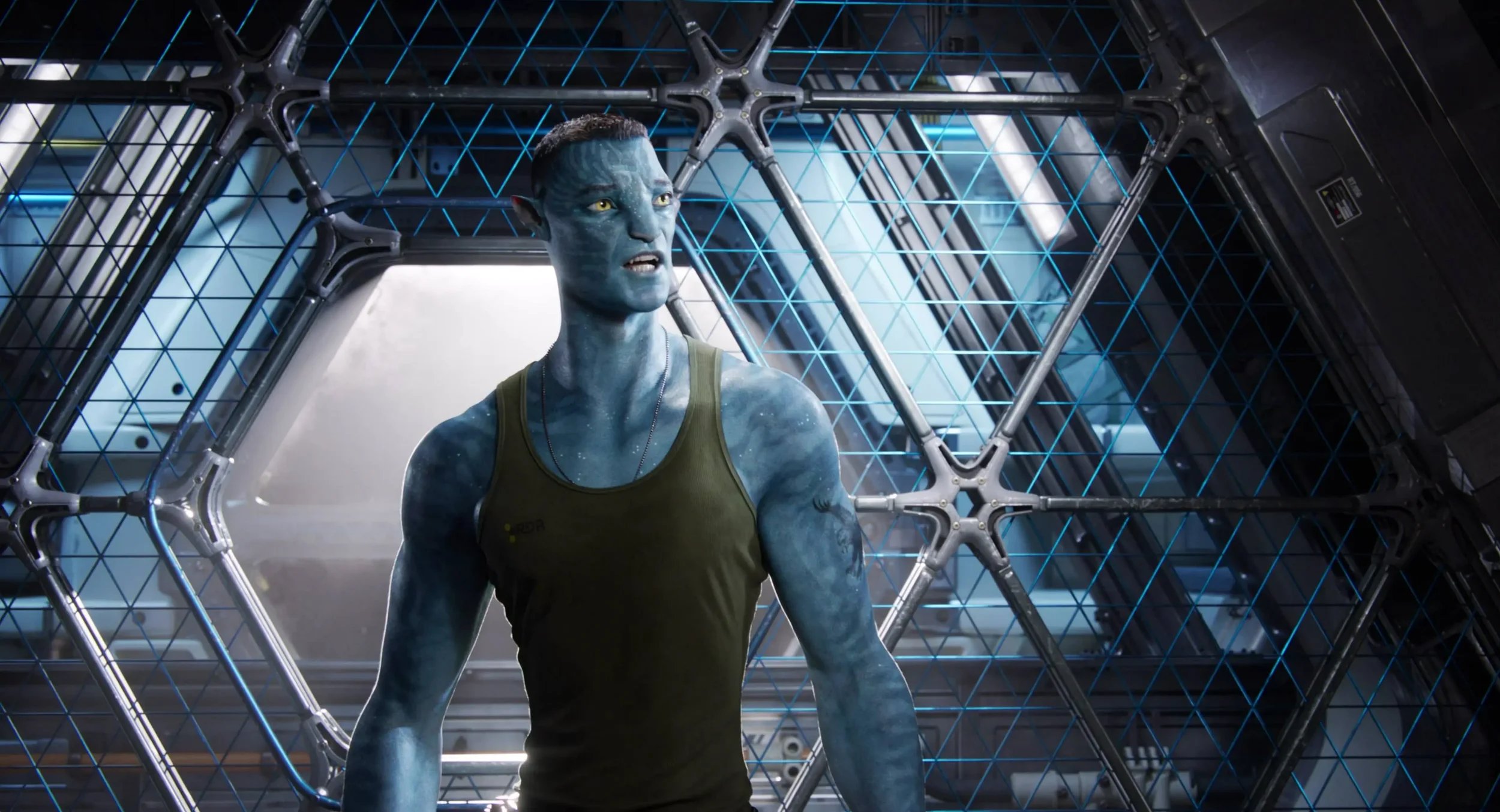
I worked with our set lead on the layout of the room, and modeled and textured much of what fills it. I created metal textures that were reused throughout the scene, helped develop the look of the bars and wires behind the character, and modeled and textured everything from crates, luggage, and lights to walls and structures.
Layout
Worked out the width and height of the space alongside our set lead.
Window Behind Character
These shots sat close on the character, so everything behind him would read clearly and the design needed to be well resolved. I designed a detailed texture and applied it to a plane to sell the design on camera.
Materials
Created metal textures that were reused throughout the scene for a consistent look.
Props and Set Dressing
Modeled and textured props ranging from crates, luggage, benches, and lights to larger pieces like walls, doors, and structures.
High camp
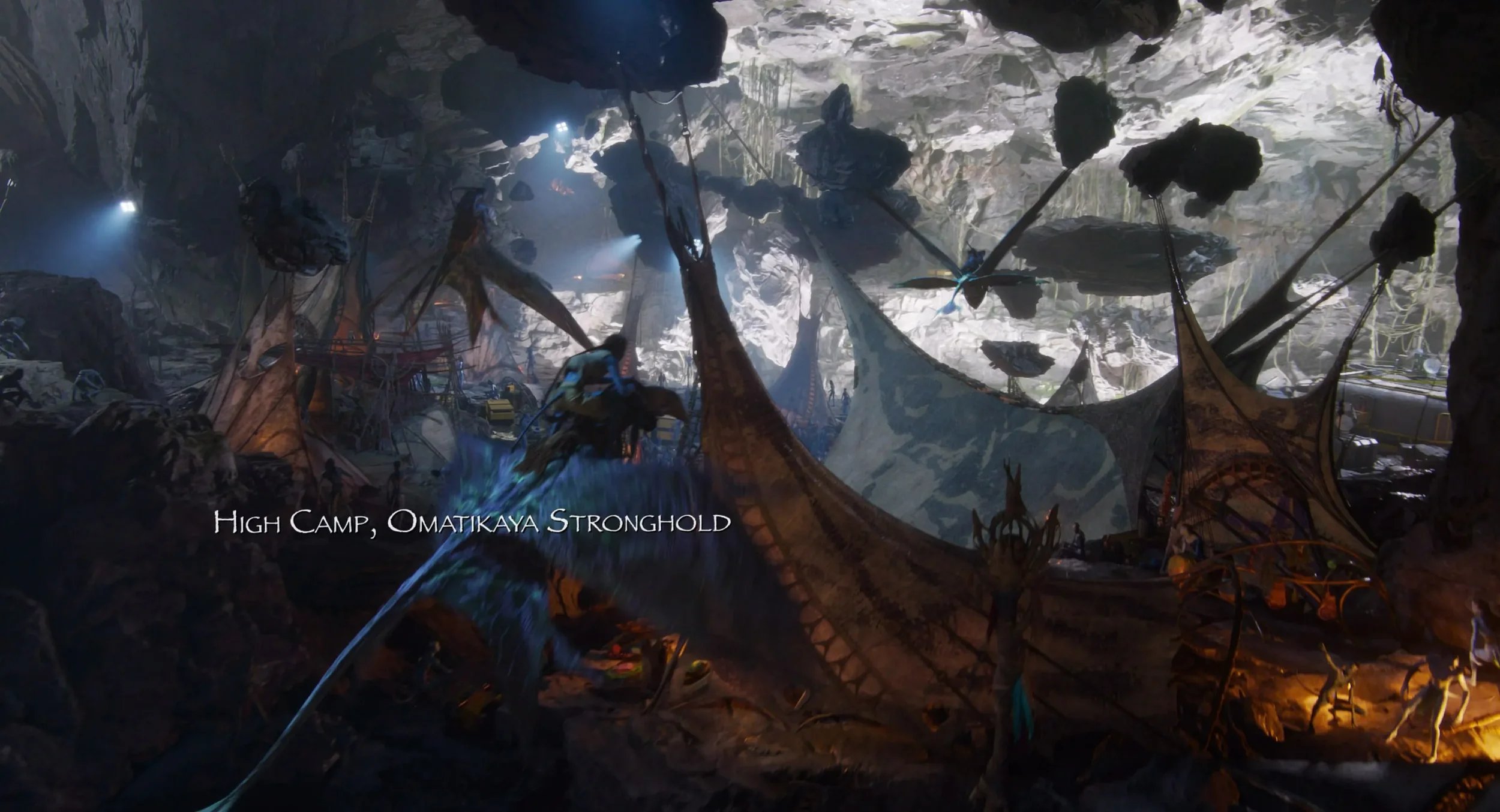
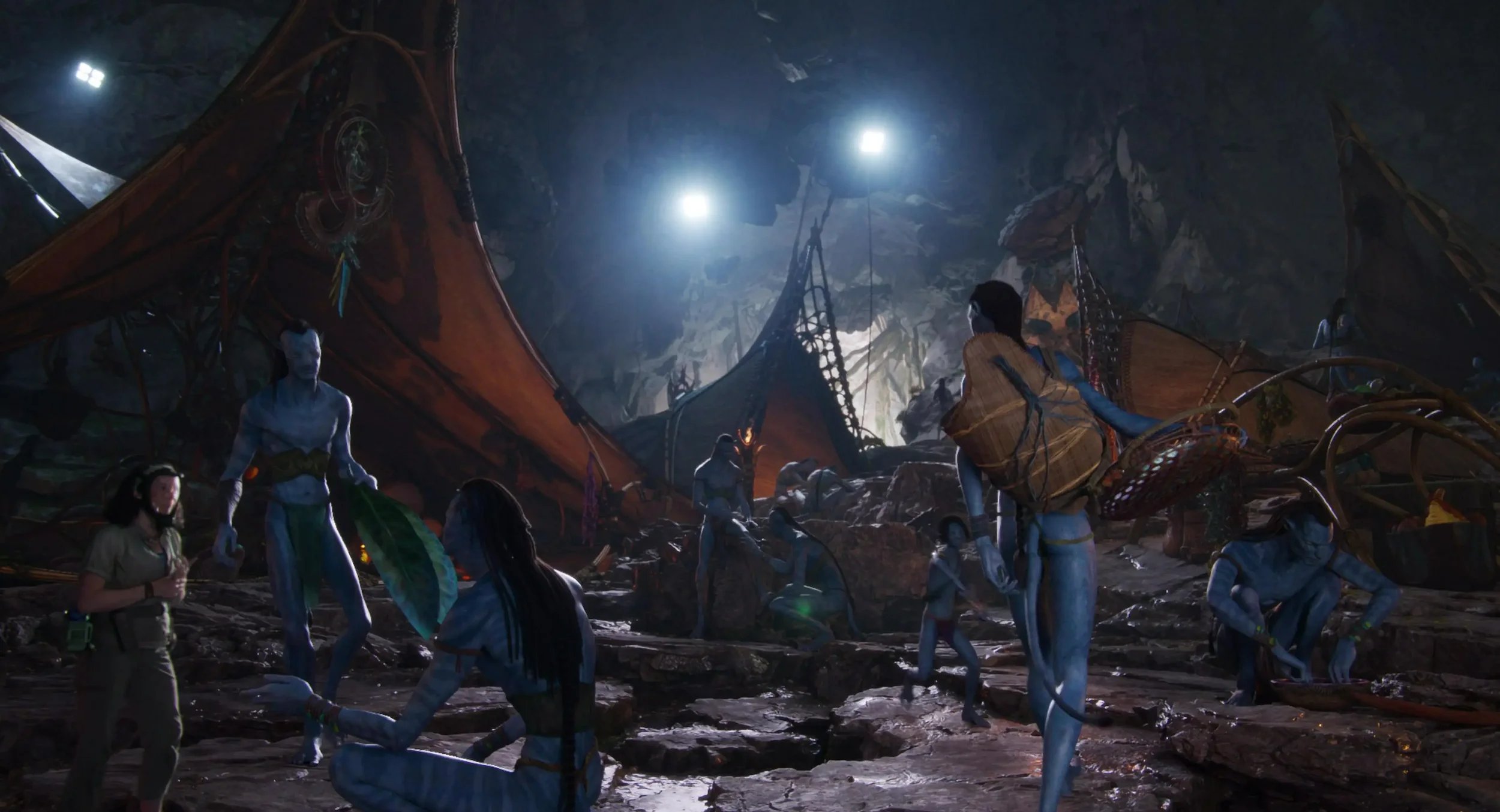
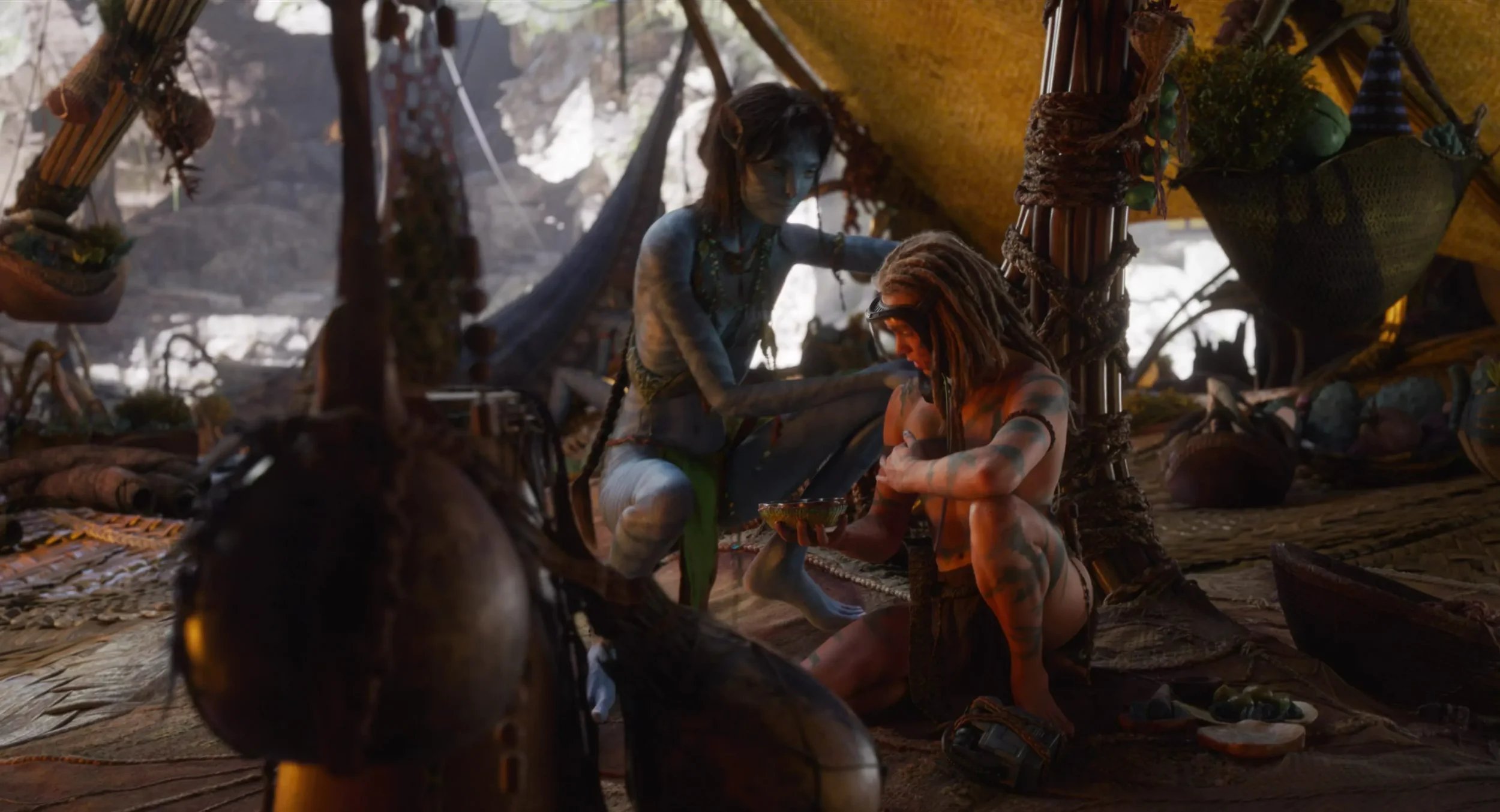
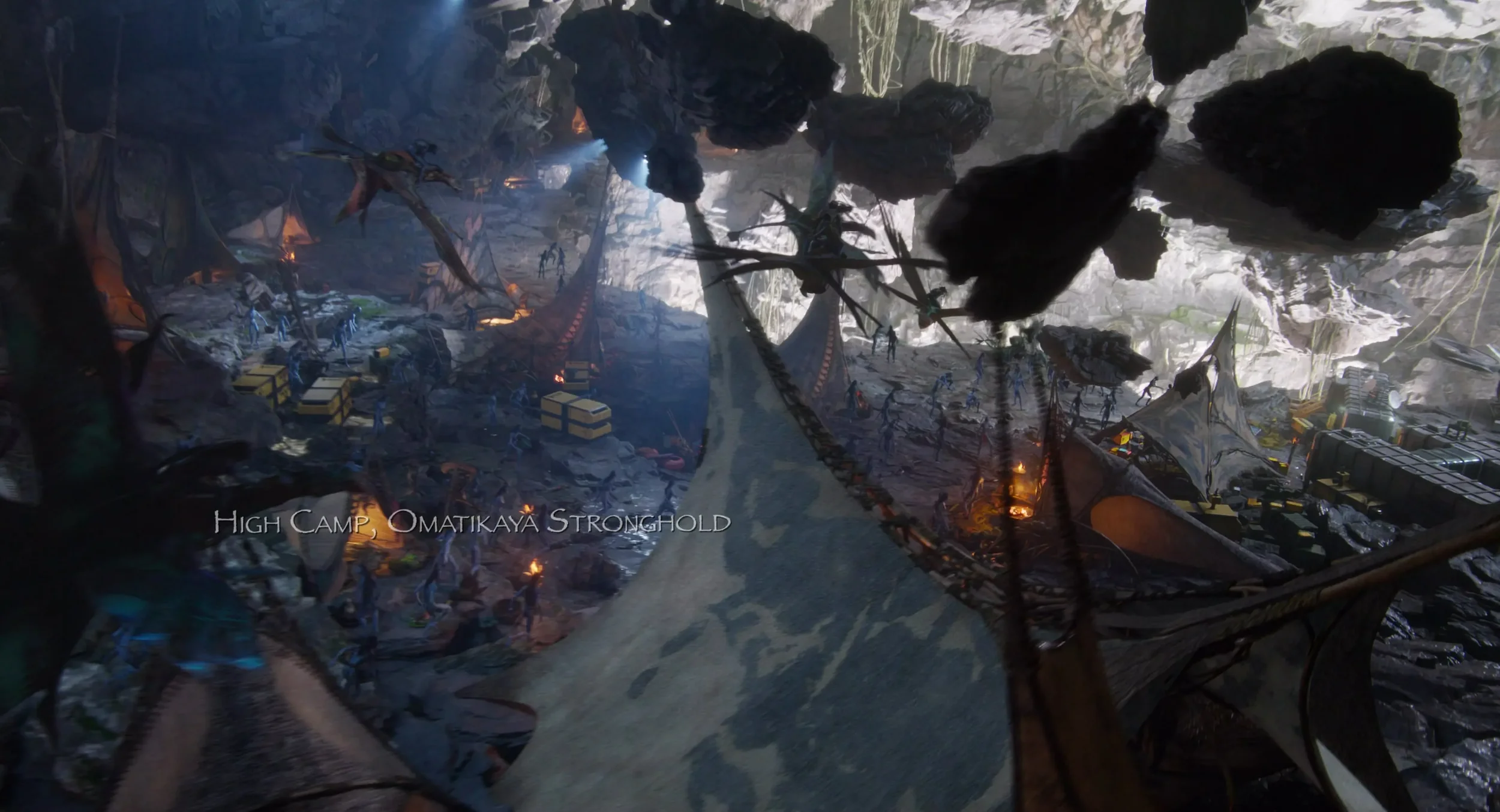
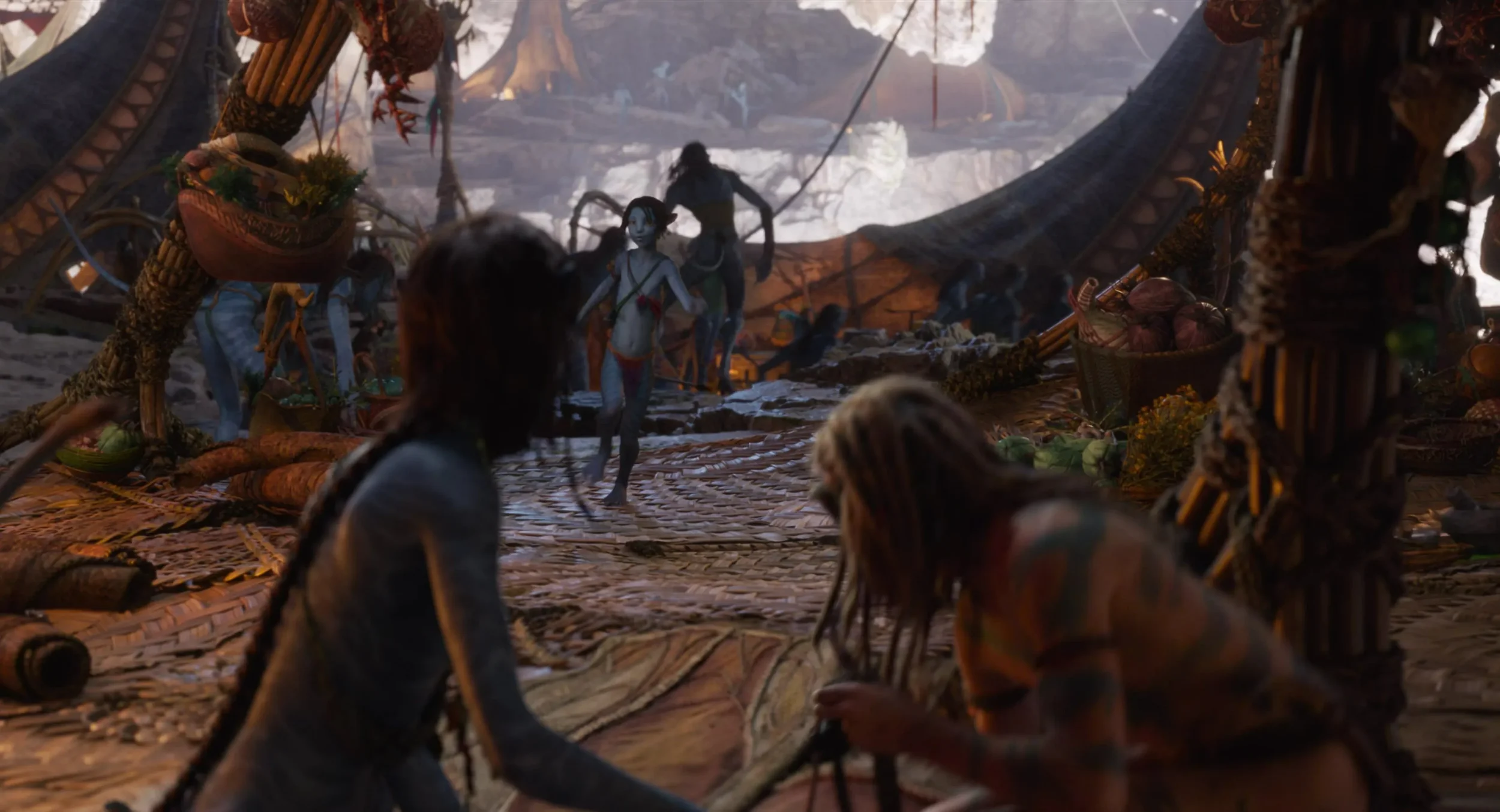
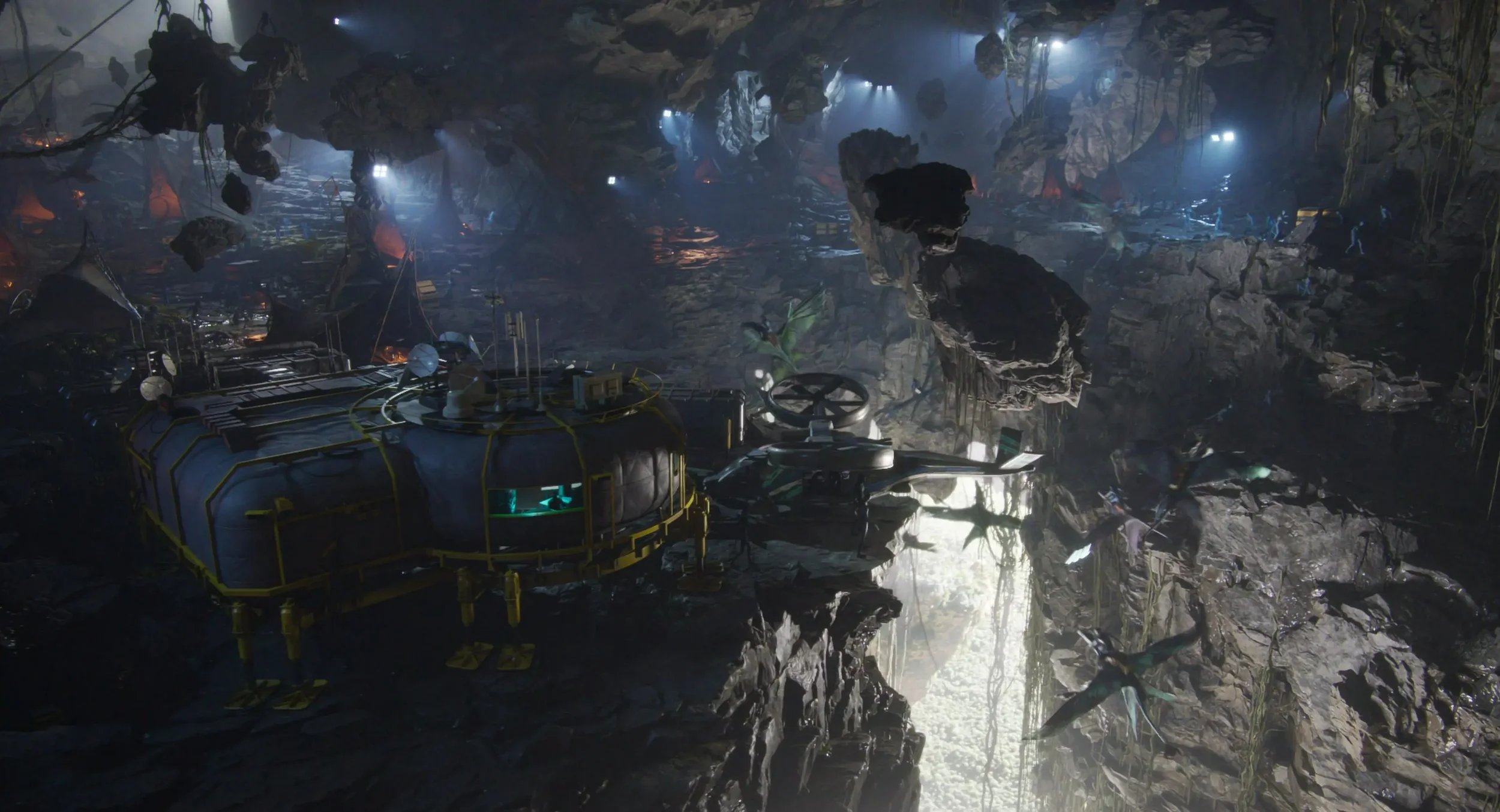
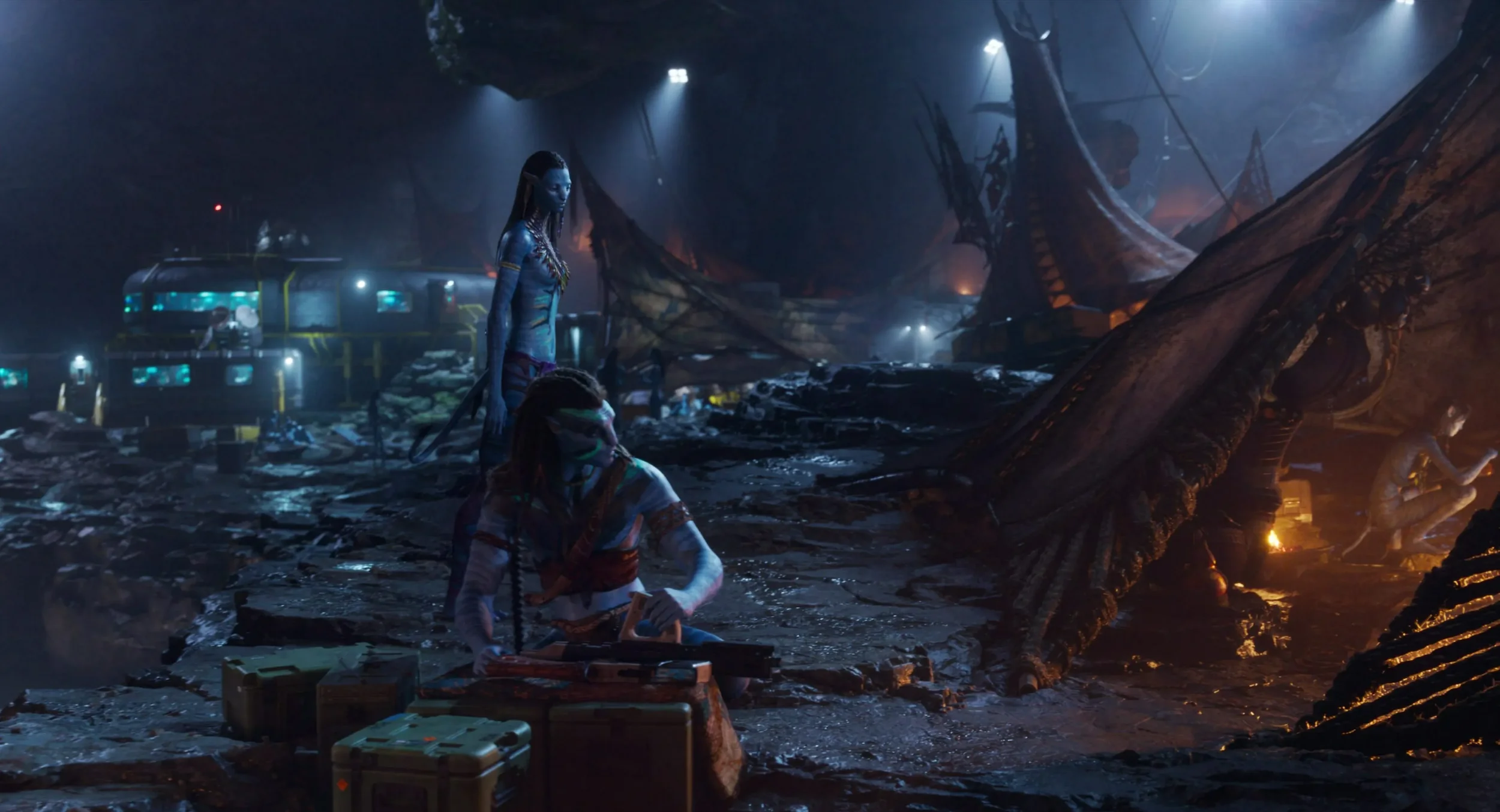
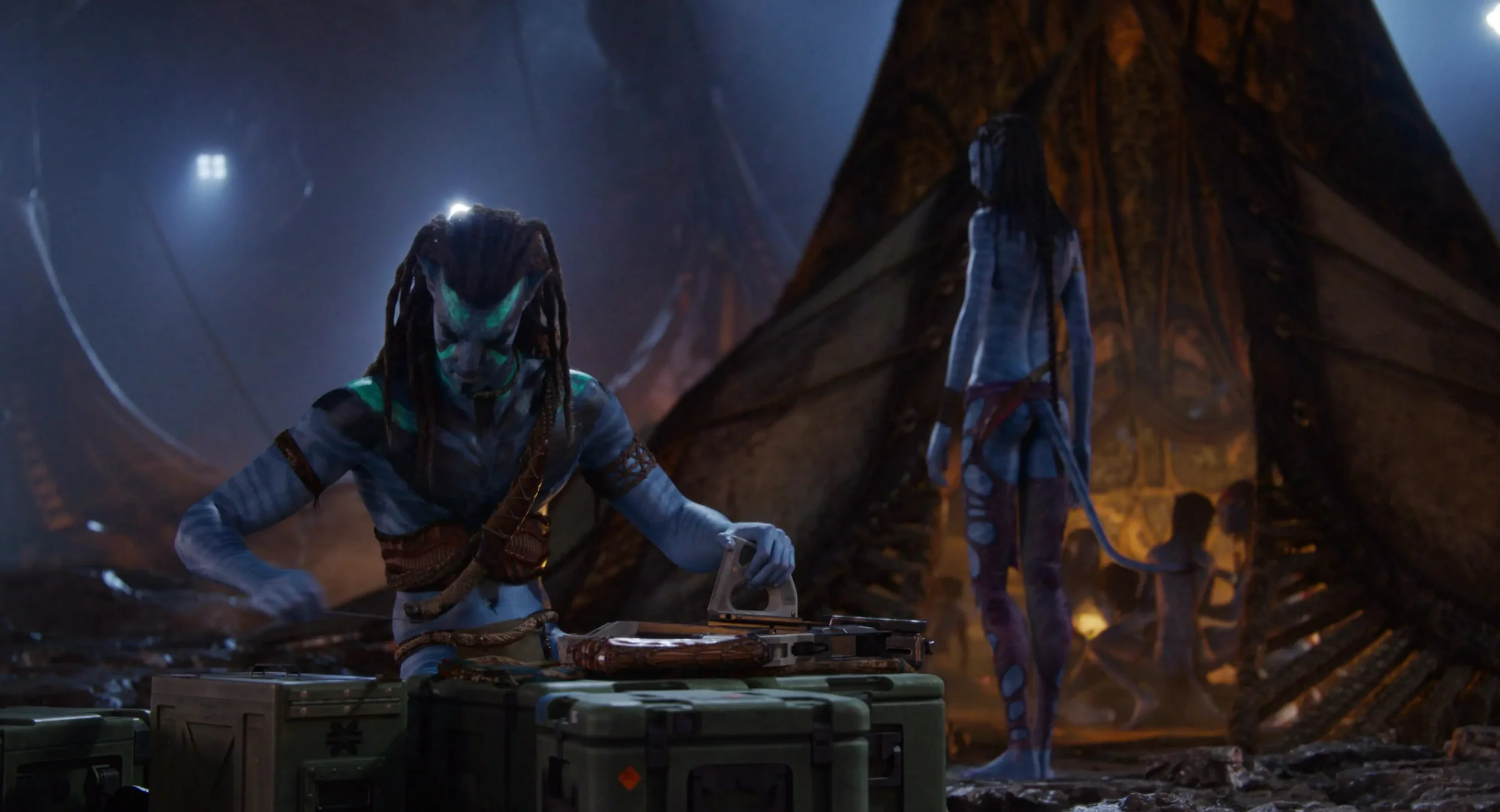
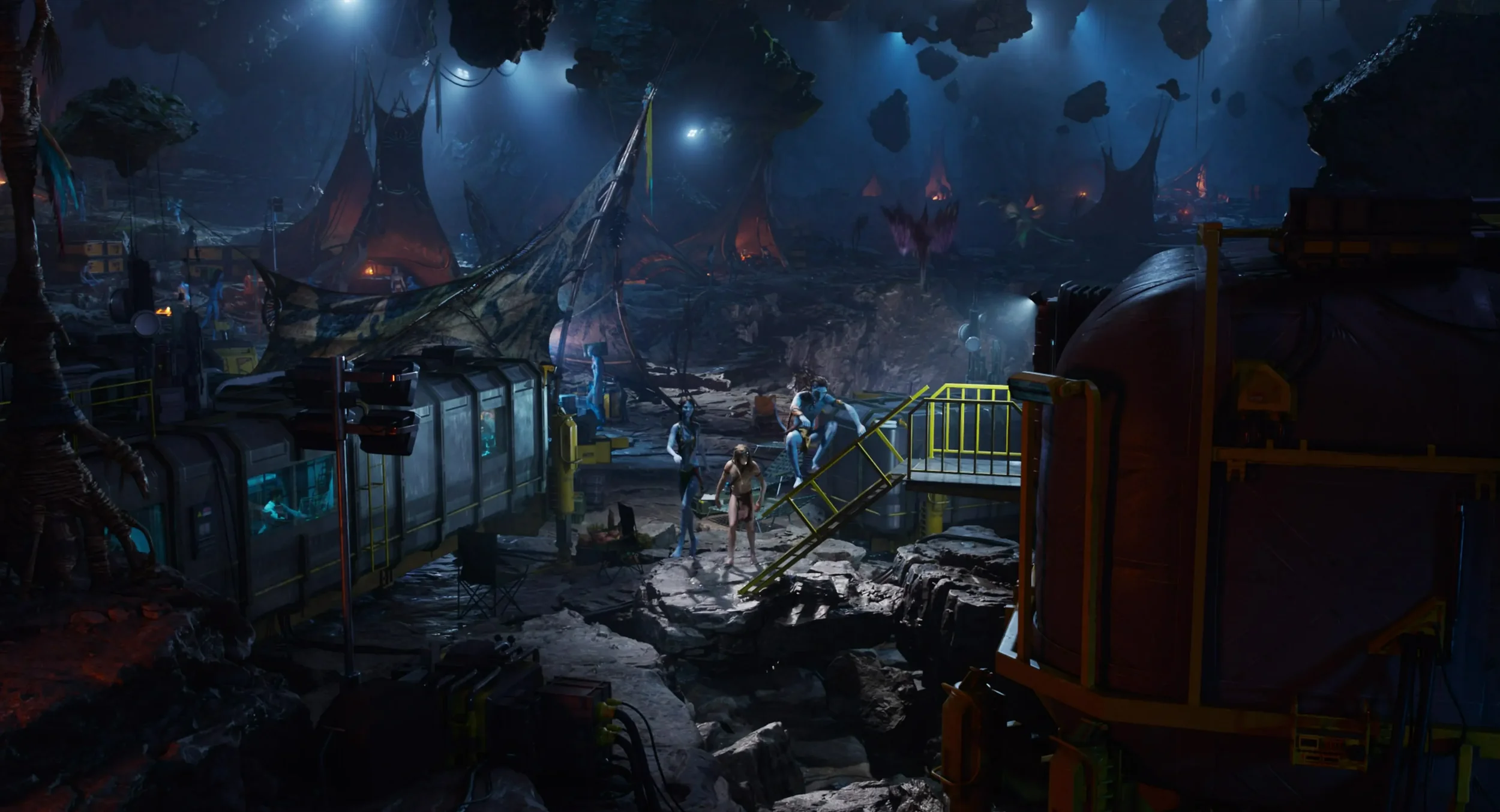
This set is the main characters’ new settlement after their Hometree was destroyed. Working with our environment lead and three other artists, I helped lay out the scene and modeled and textured many of its elements, including the hard-surface pieces, Na’vi props, and tarps. The set had to be laid out precisely to hit animation beats, so the floor height and the placement of every element mattered.
Habmods
Modeled and textured the habitat module, its rails and steps, and laid out the surrounding ground so it sat correctly in place.
Props
Modeled and textured assets such as baskets, cloths, supplies, and containers.
Camp Layout
The camp had to be laid out to hit specific animation beats. Our goal was a set that felt organic while still working functionally for every beat.
amnio tank biolab
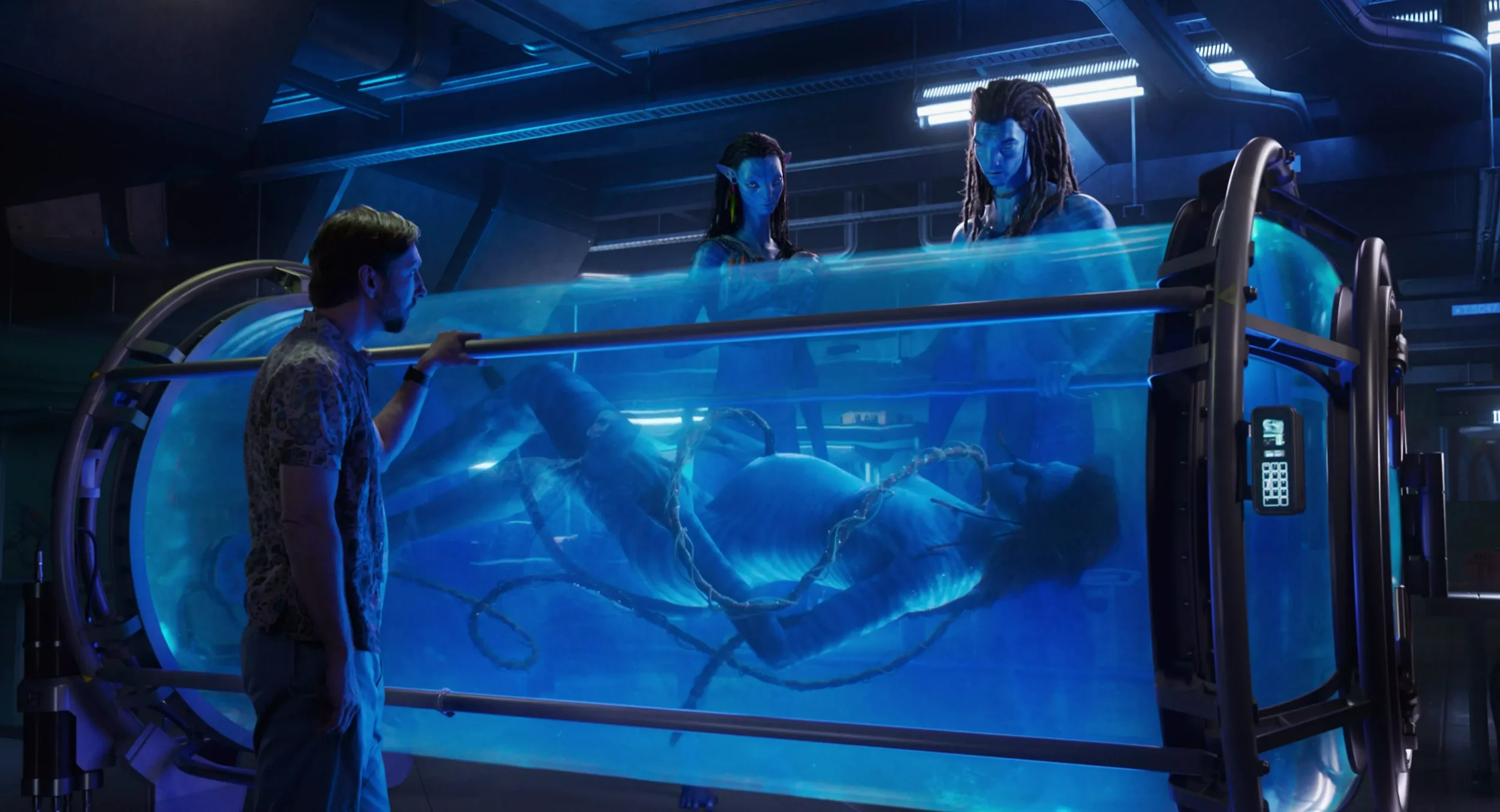
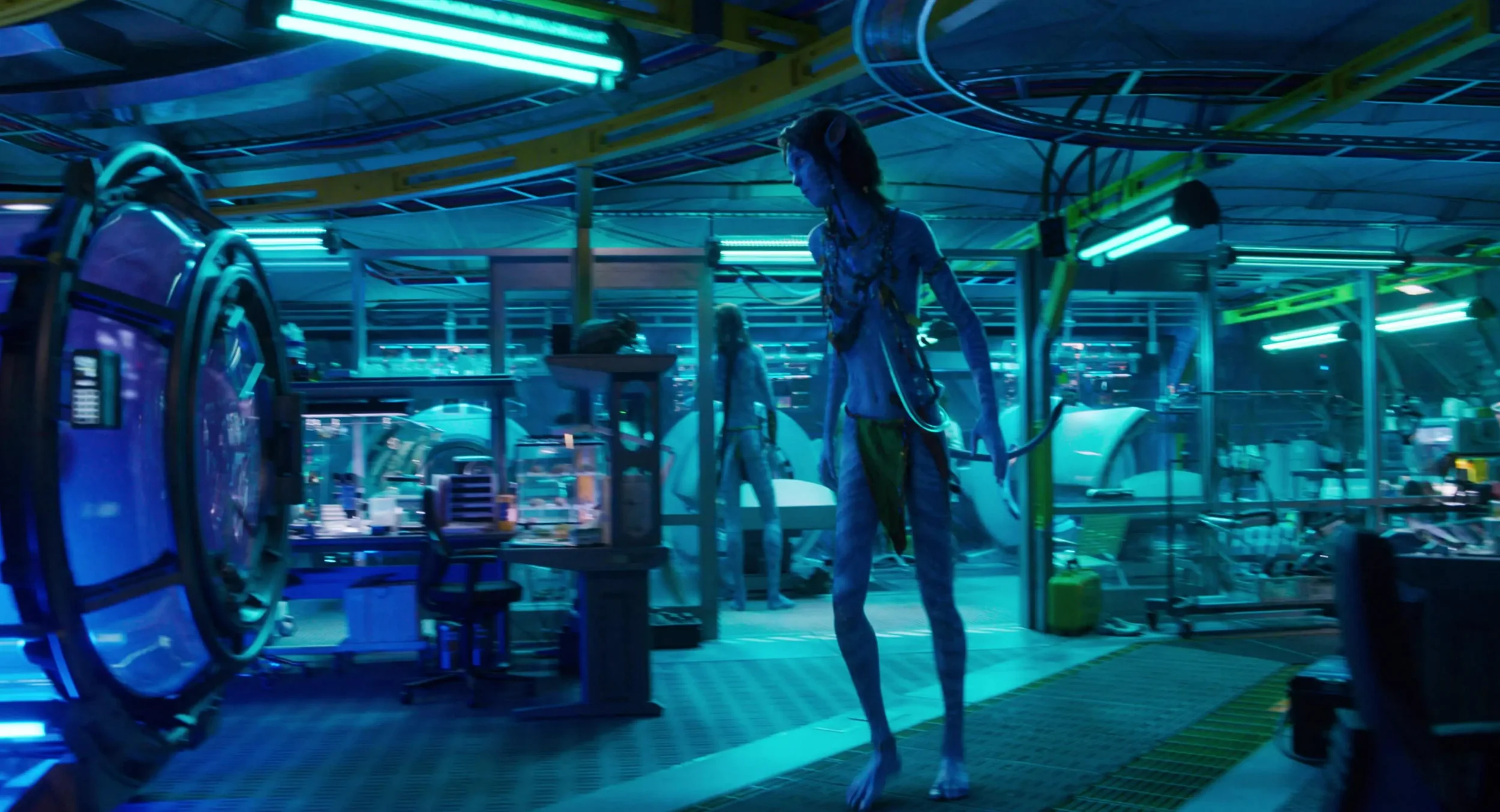
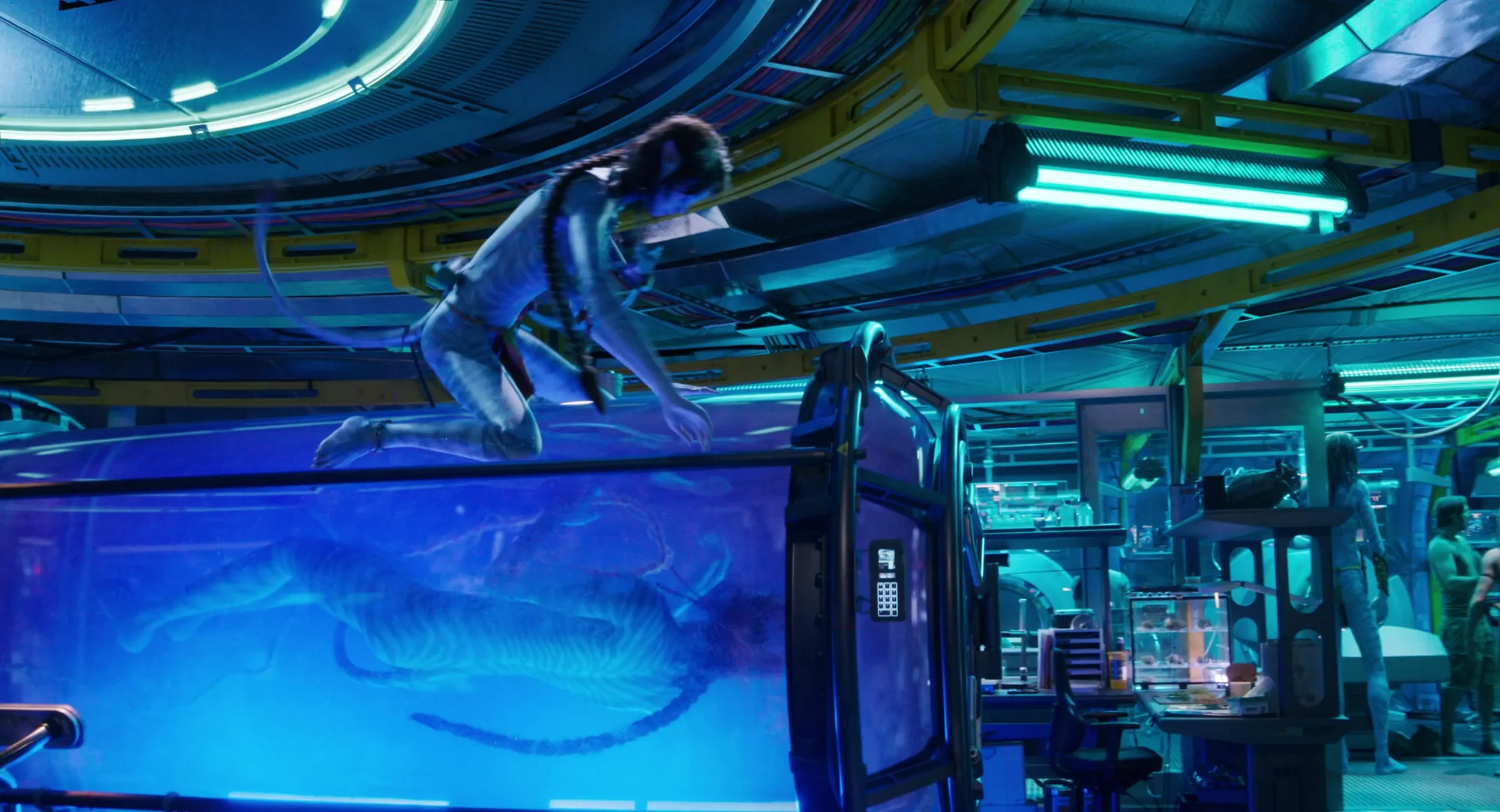
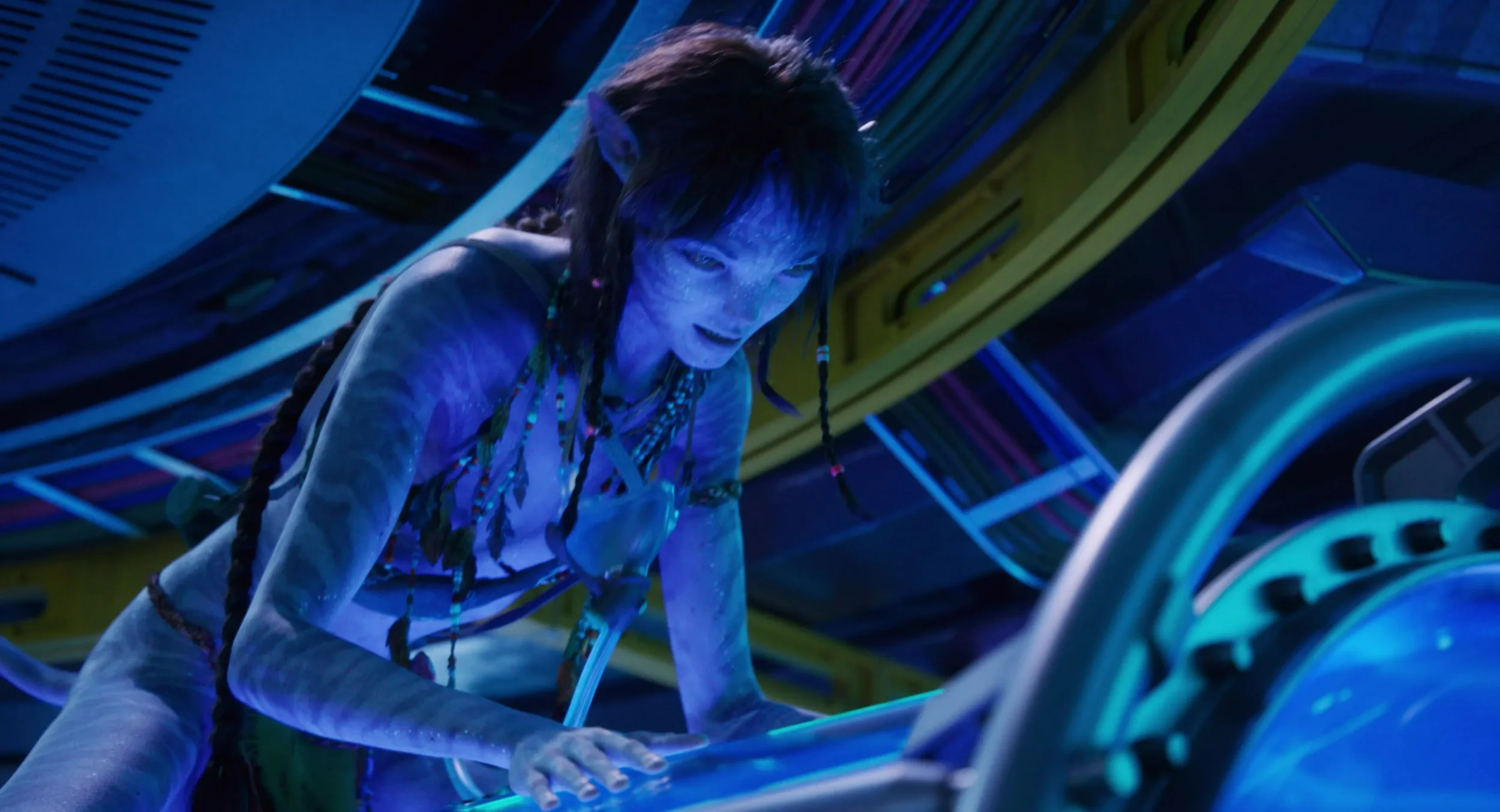
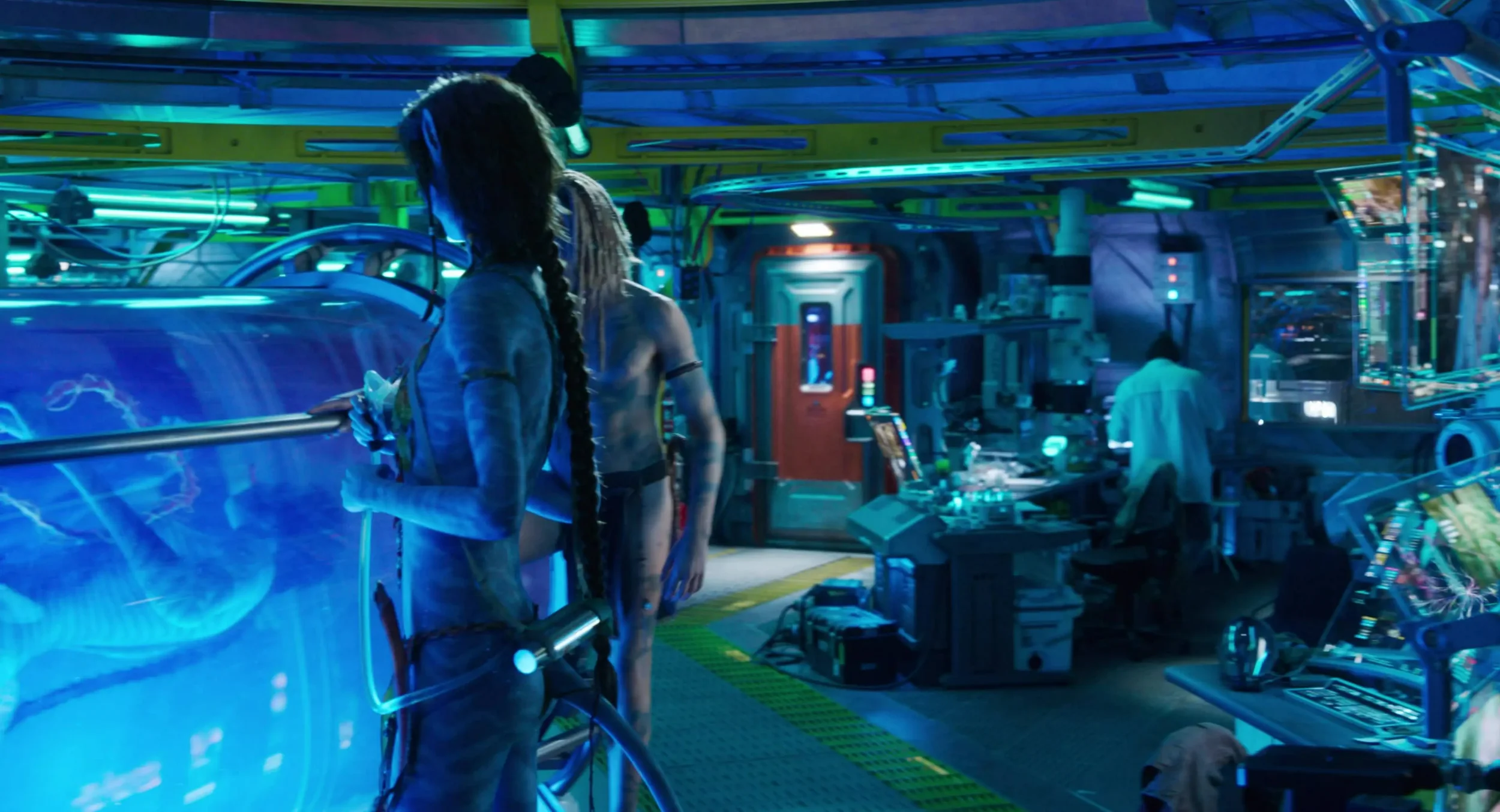
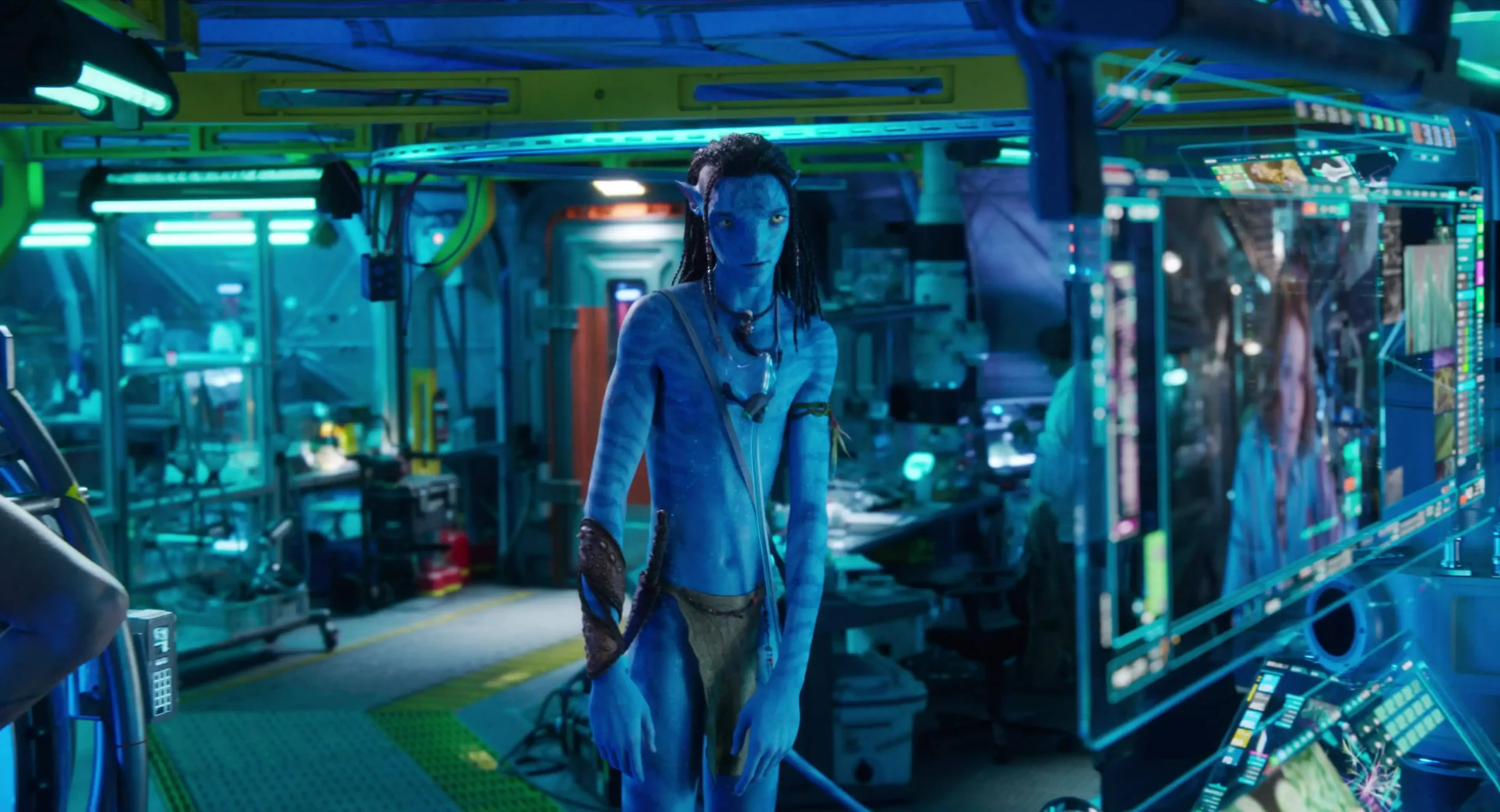
Grace’s avatar is kept in a dormant state inside an amnio tank in a biolab at Hell’s Gate. I worked extensively on this set, creating hard-surface textures and elements, and modeling the structures, props, and hero pieces that build out the room.
Amnio Tank
Refined the model and textures of the amnio tank for this set.
Interior Structure
Modeled and textured structural assets such as beams and panels to build out the environment.
Textures
Created textures for the yellow structural beams, wall paneling, tank glass, and general metals.
bridgehead construction
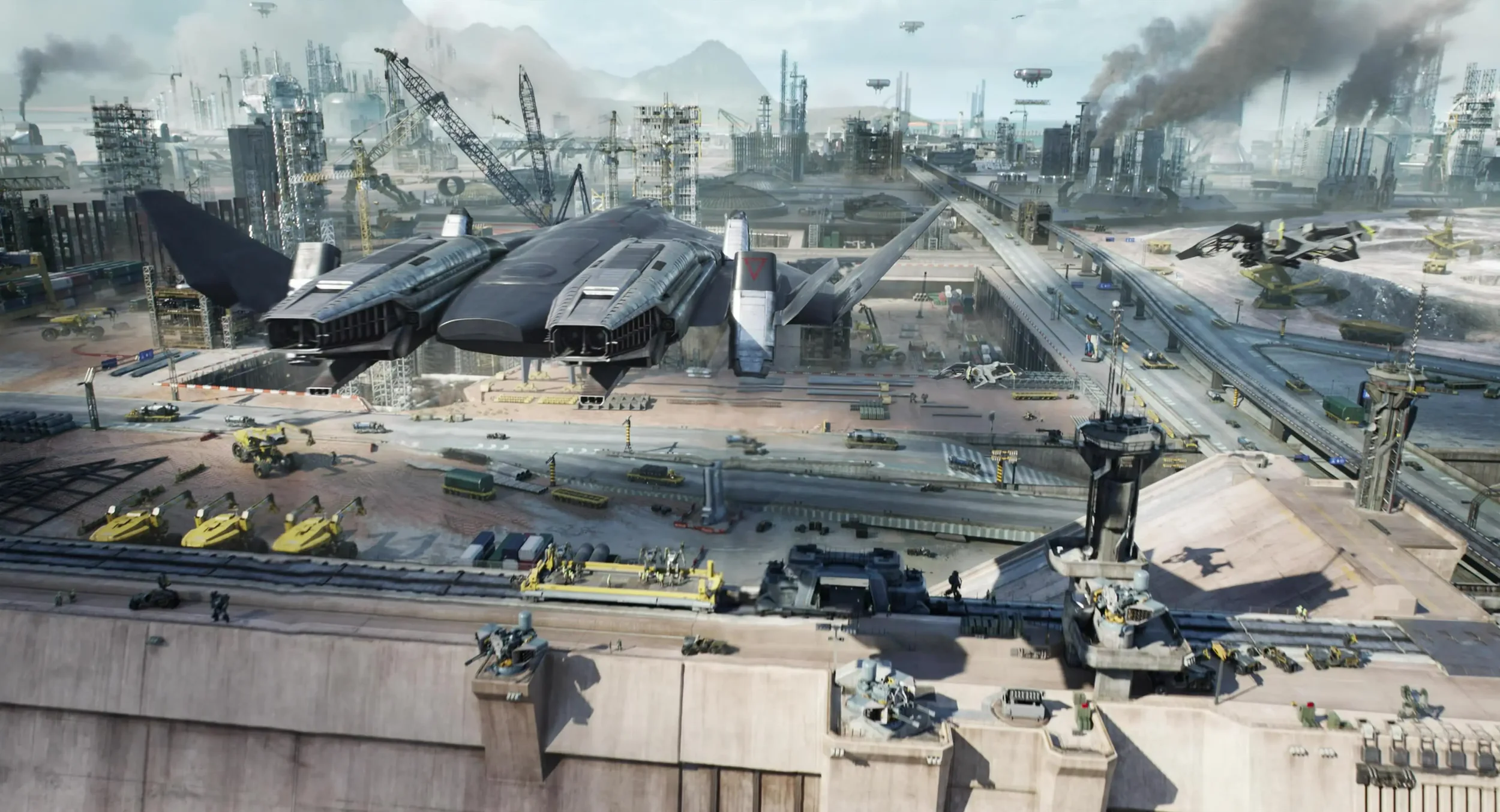
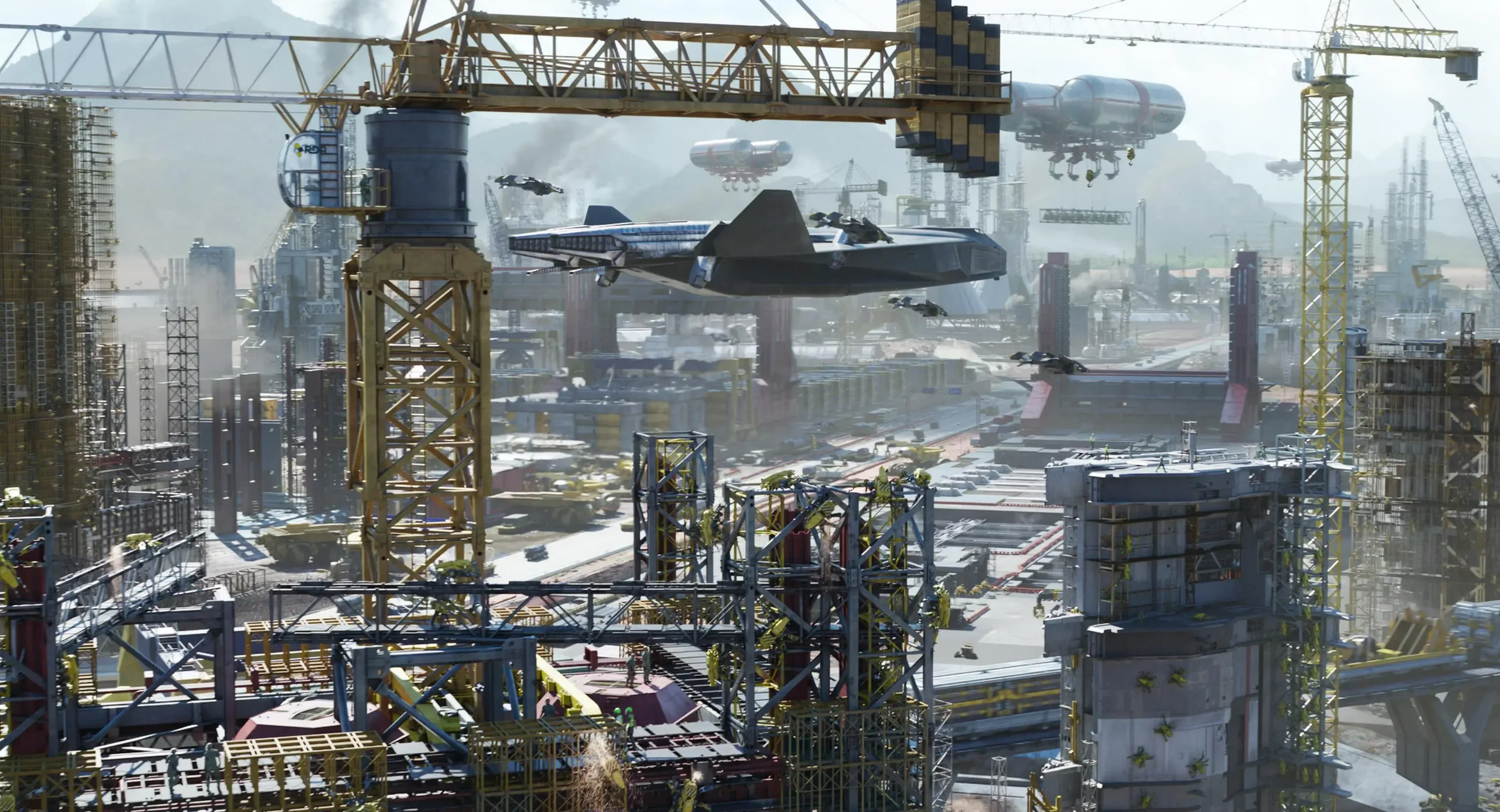
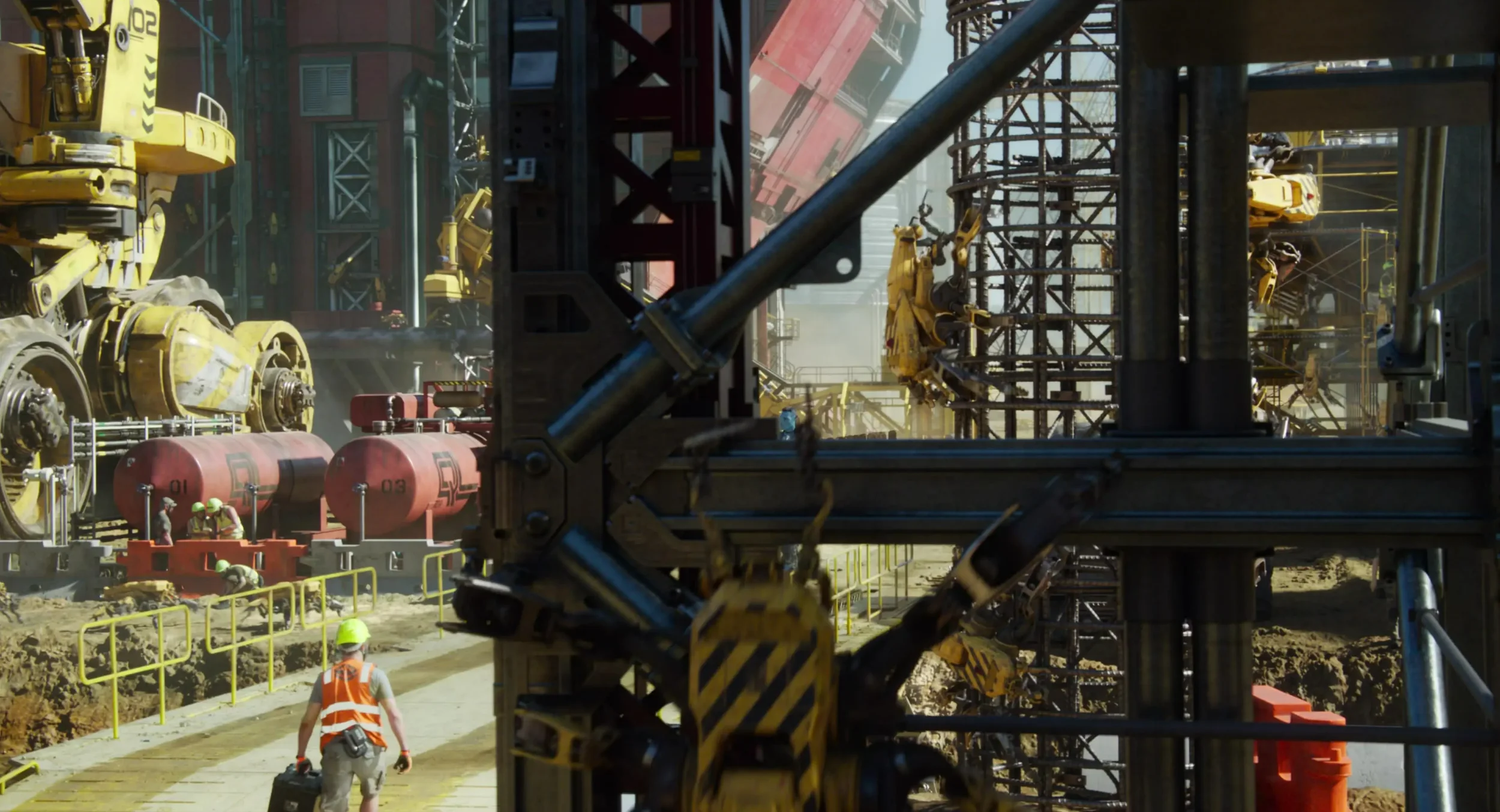
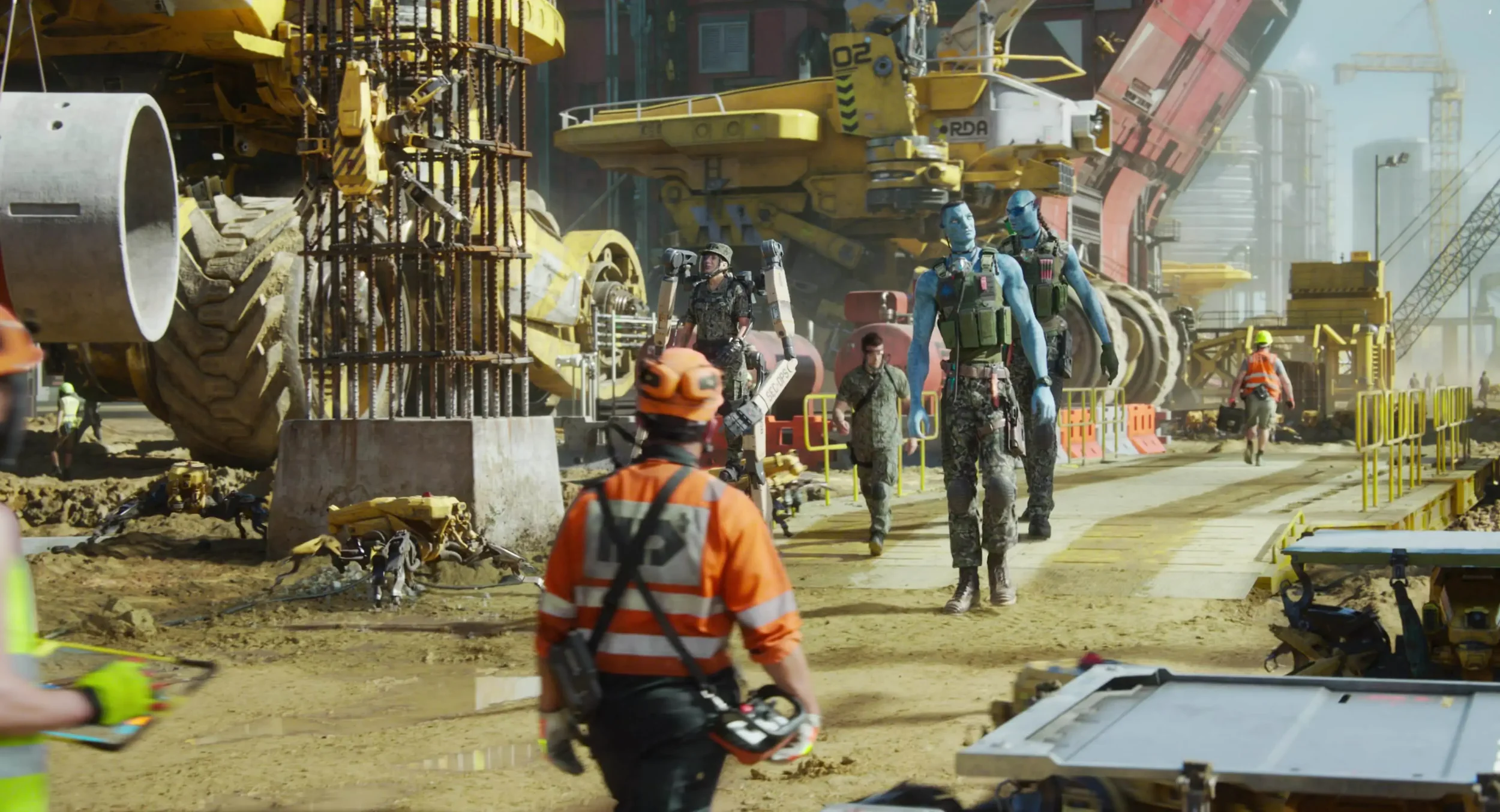
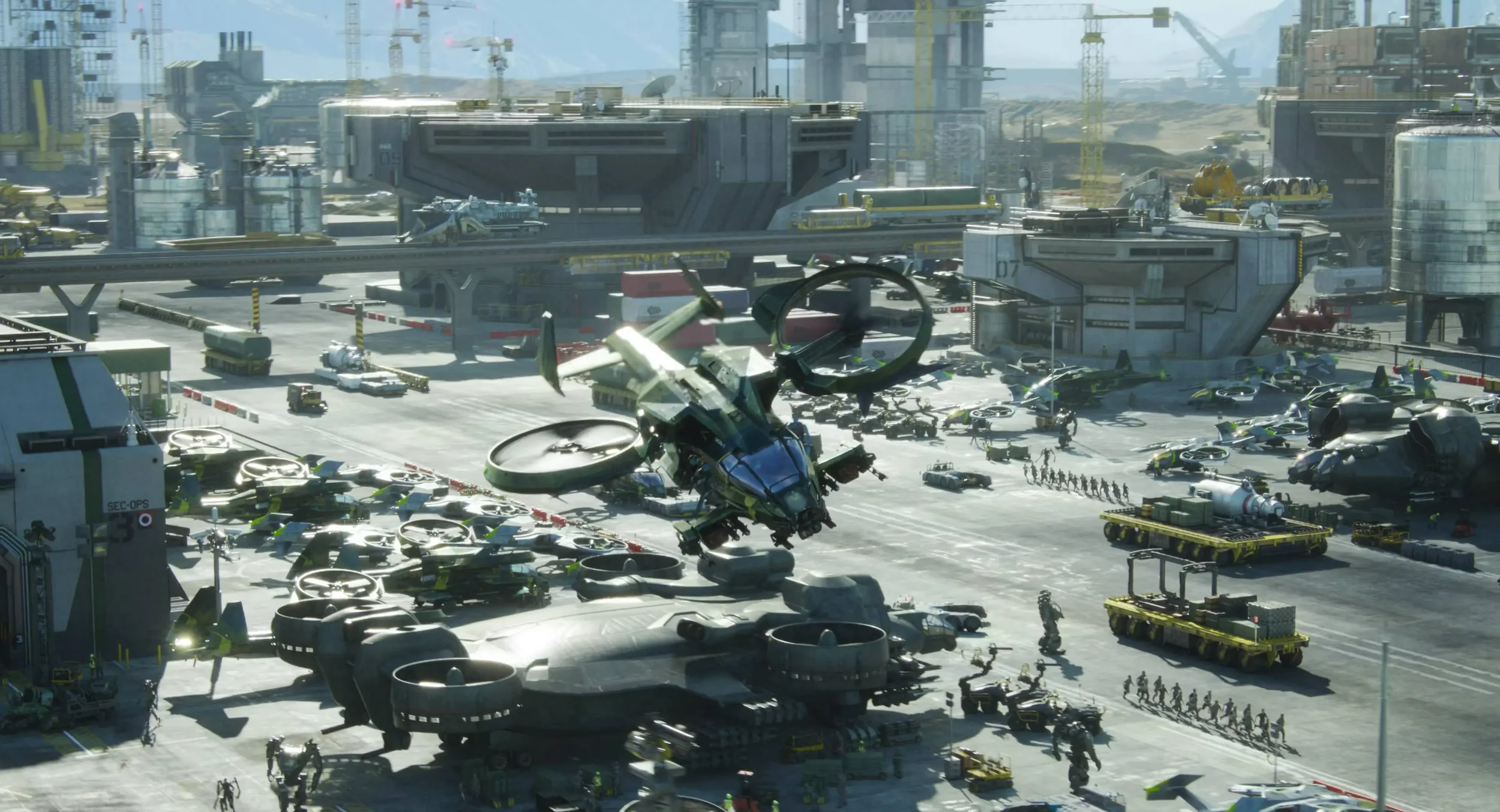
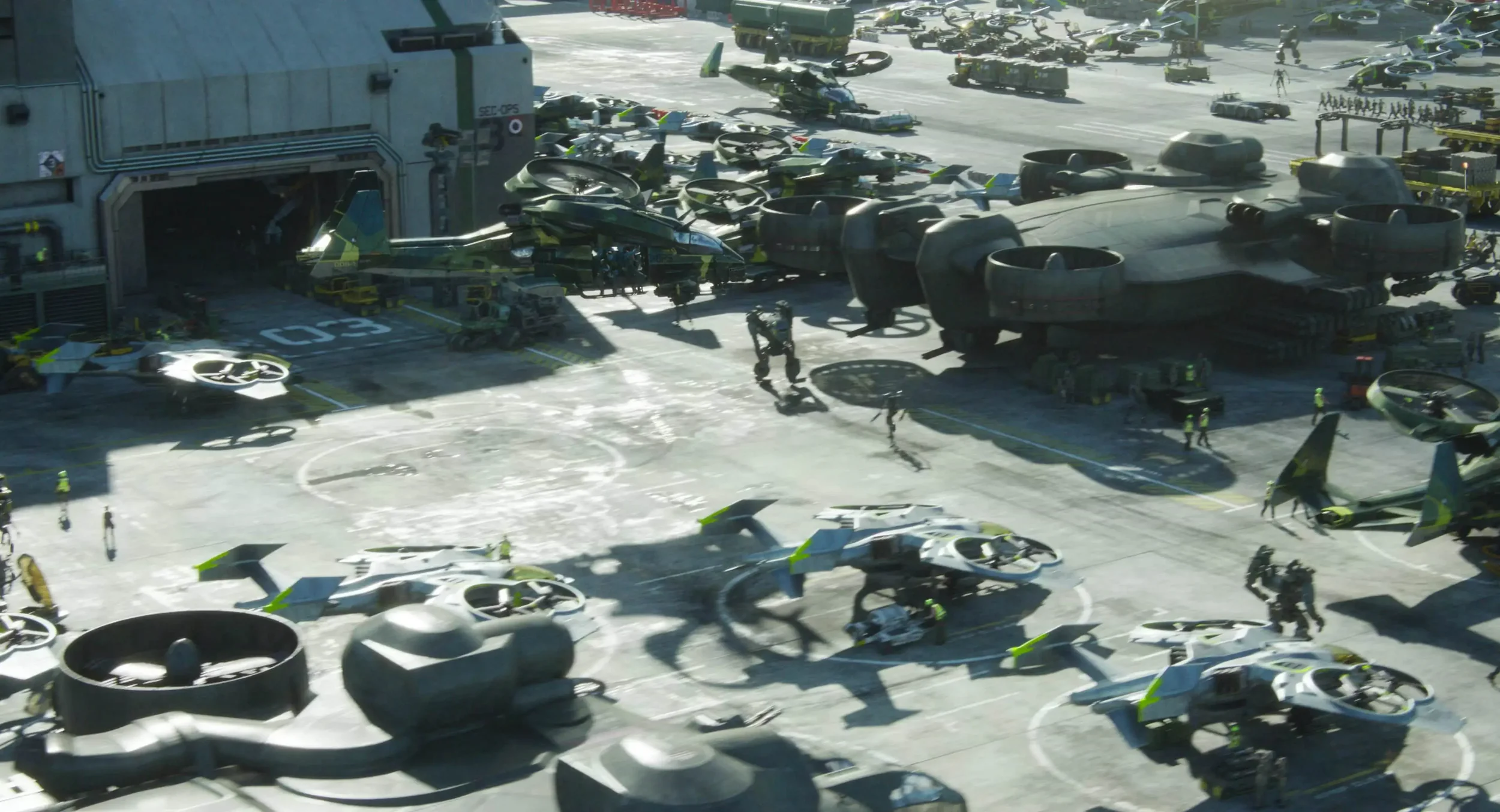
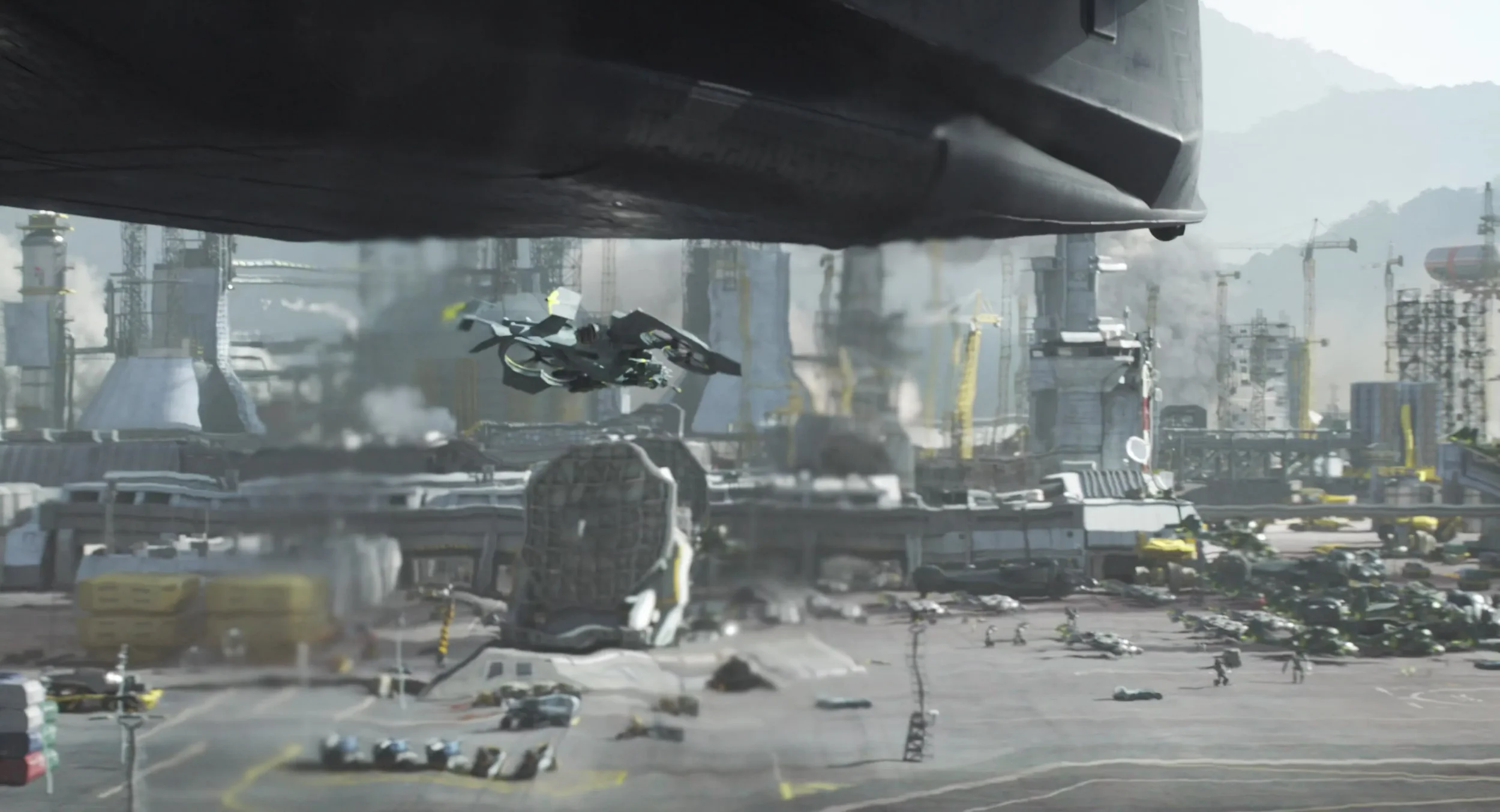
Bridgehead is the city the RDA builds after landing. In this film it’s still mid-construction, and I had a big hand in developing the set. Working directly under our supervisor, I helped figure out elements across the city, from buildings, robots, and vehicles to set design and layout. Starting from a sketch by our concept art team, I also designed and built out the maglev tunnel.
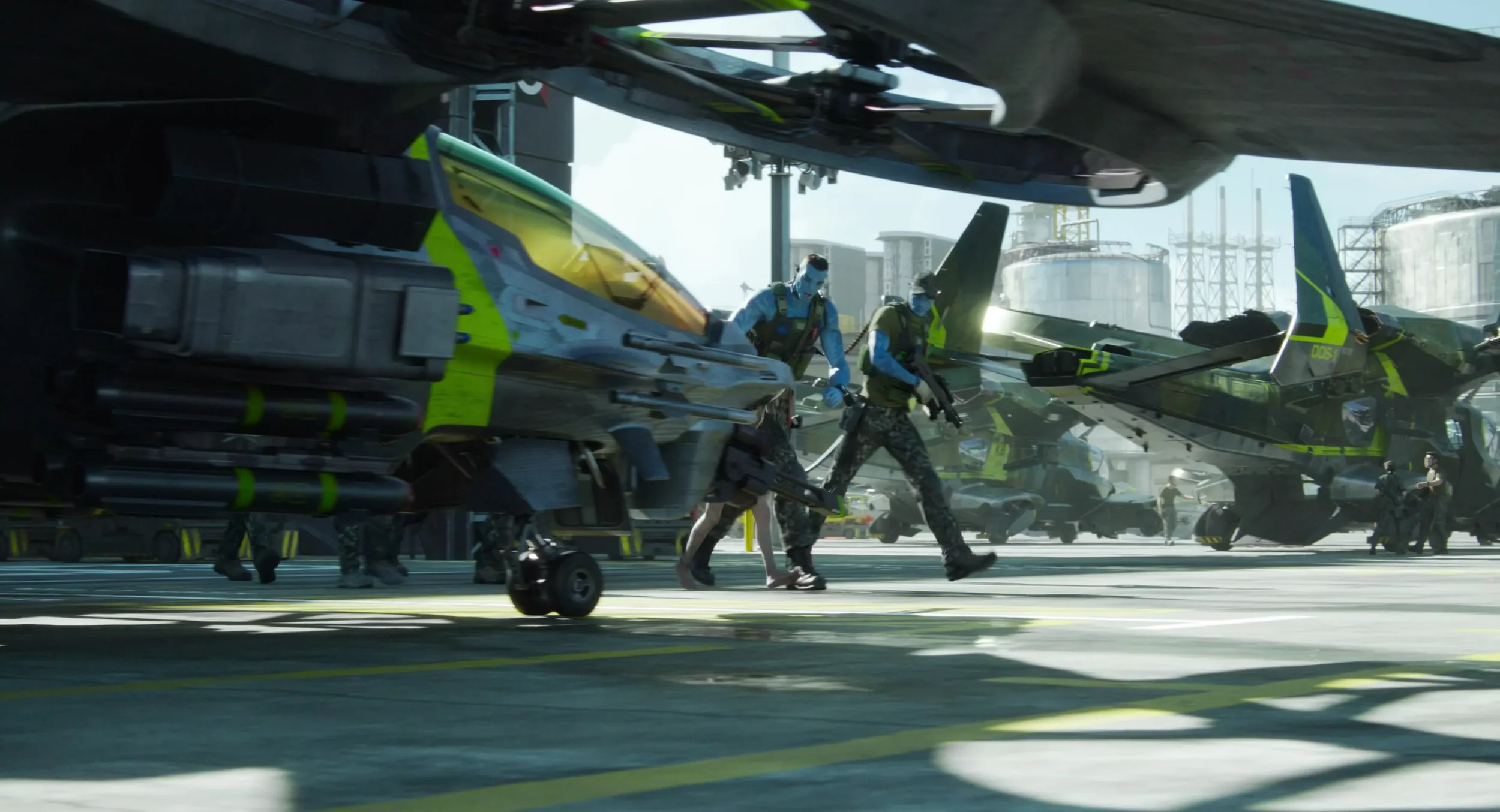
Kestrel Weapons
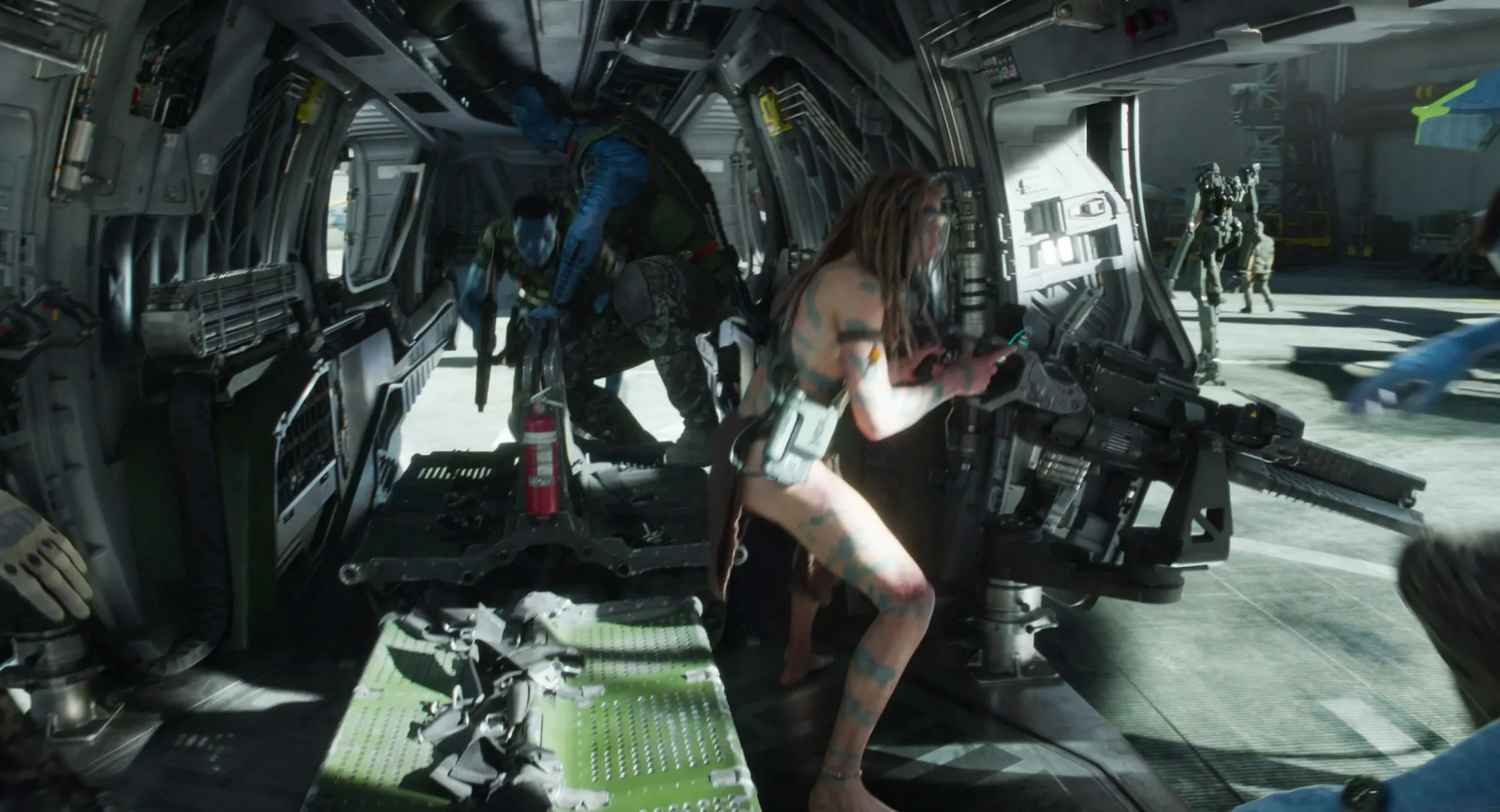
Modeled and textured the Kestrel’s missiles and rockets, as well as the machine gun mounted inside it.
Background Vehicles
Modeled and textured background vehicles such as the carriers and flatbeds seen in the distance.
Updated models and textures for other vehicles, including the floating blimps and robotic cranes.
Robots
Using an art department model as reference, modeled and textured the spider bots seen crawling over the structures as they build out the city.
Maglev Tunnel
Took a quick sketch from our concept art team and developed it into the full tunnel area and the construction around it.
Modeled, textured, placed, and dressed the set around the tunnel in both its under-construction and completed states.
Seadragon Bridge
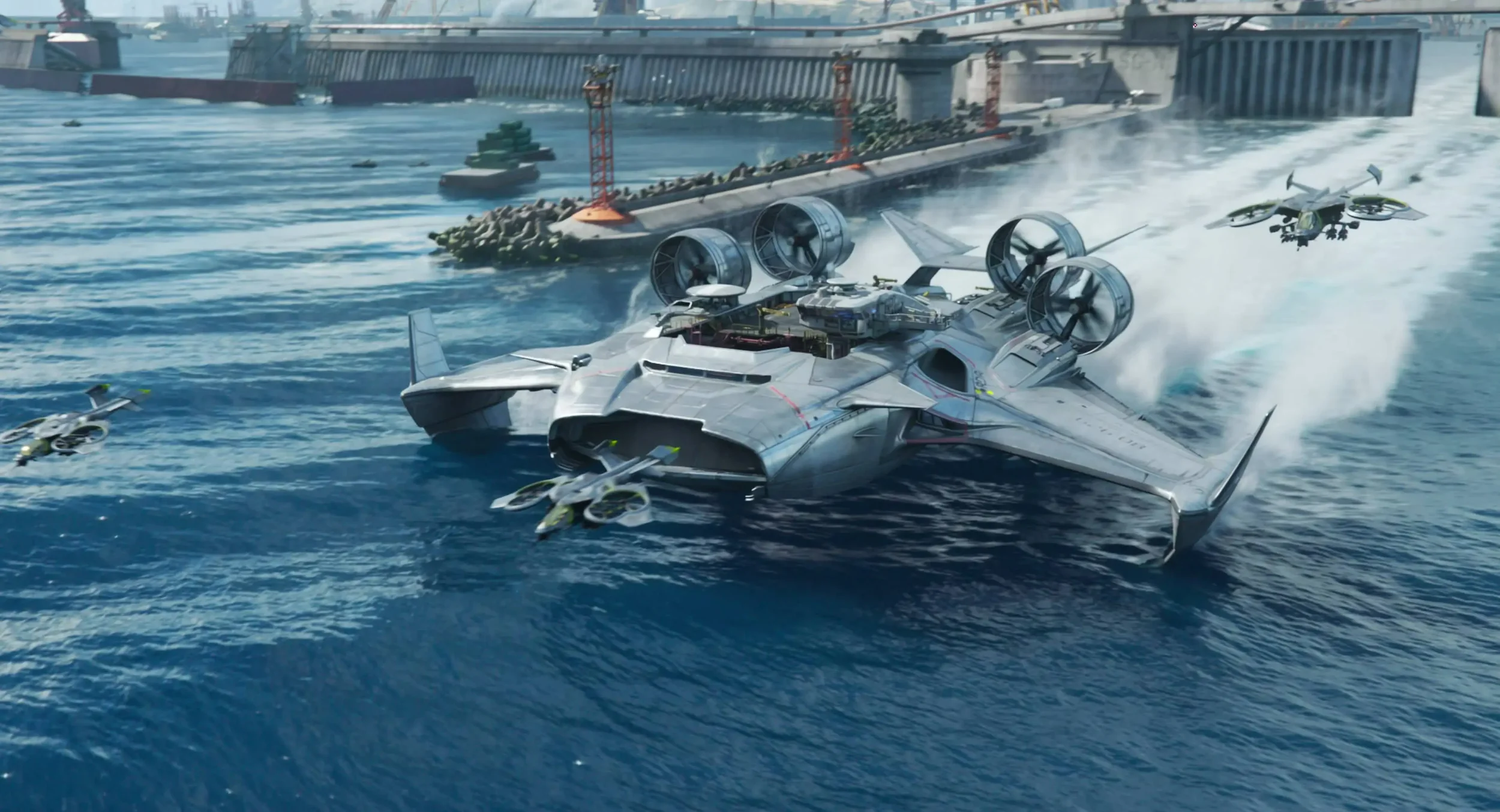
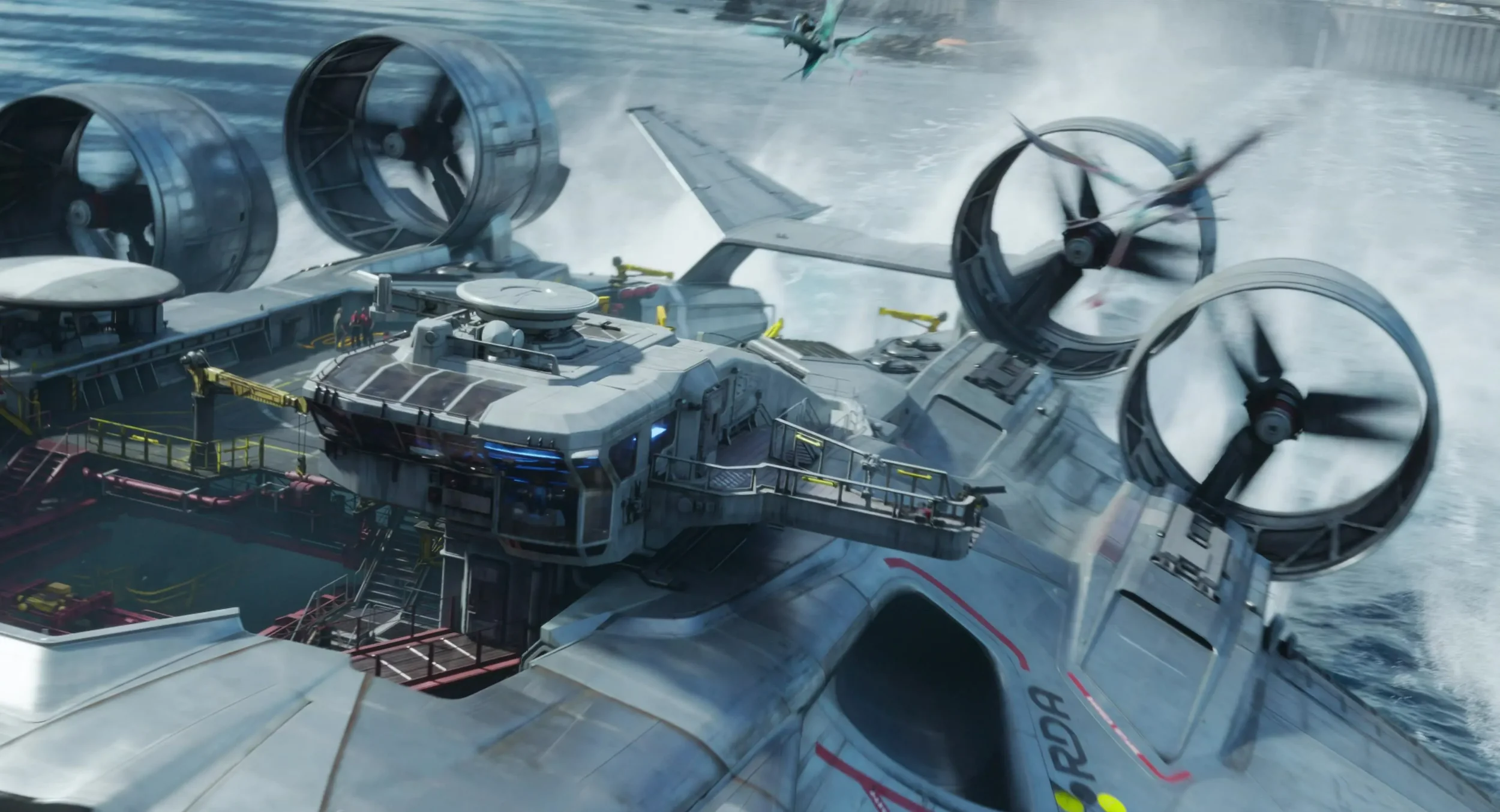
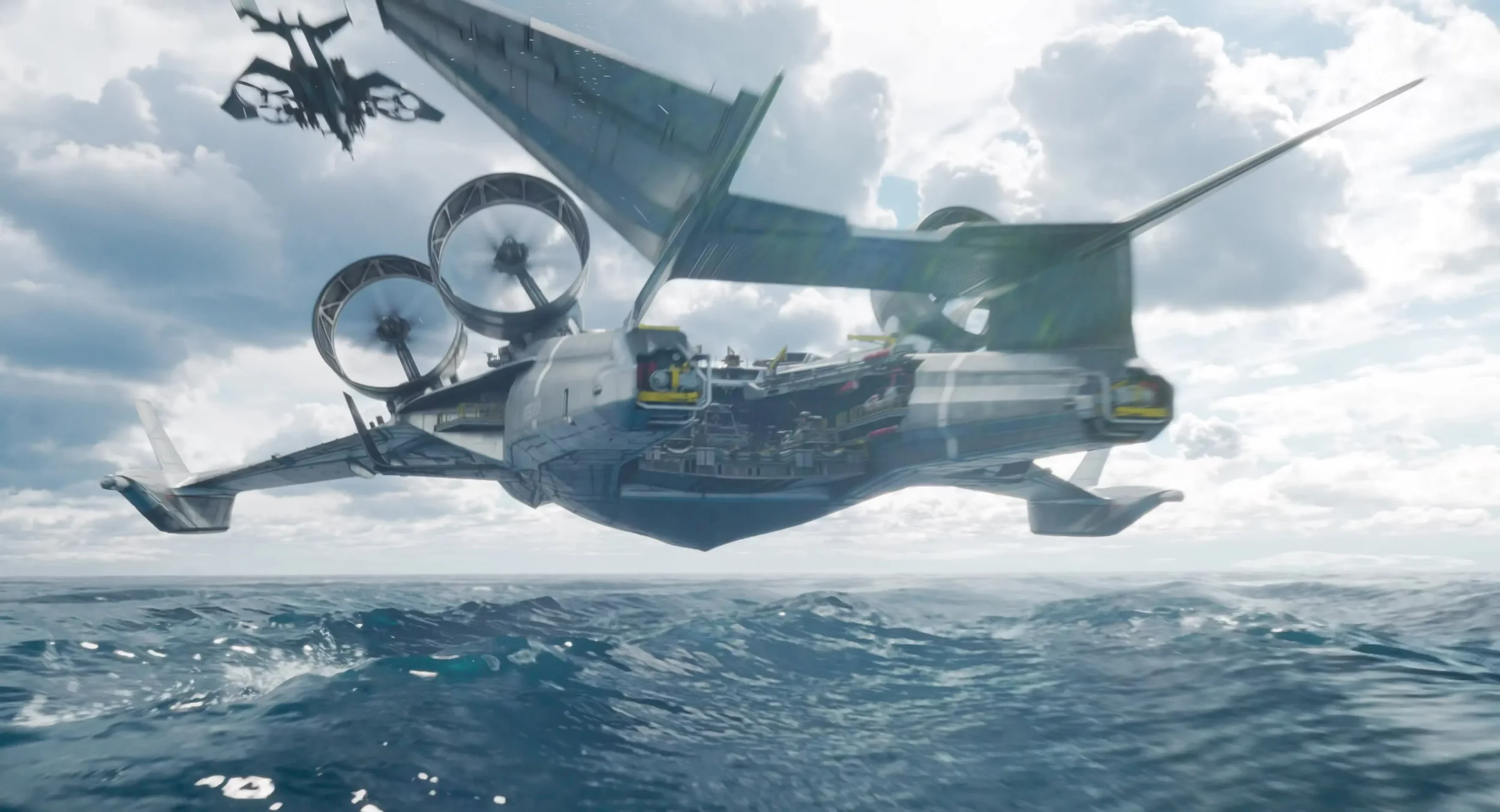
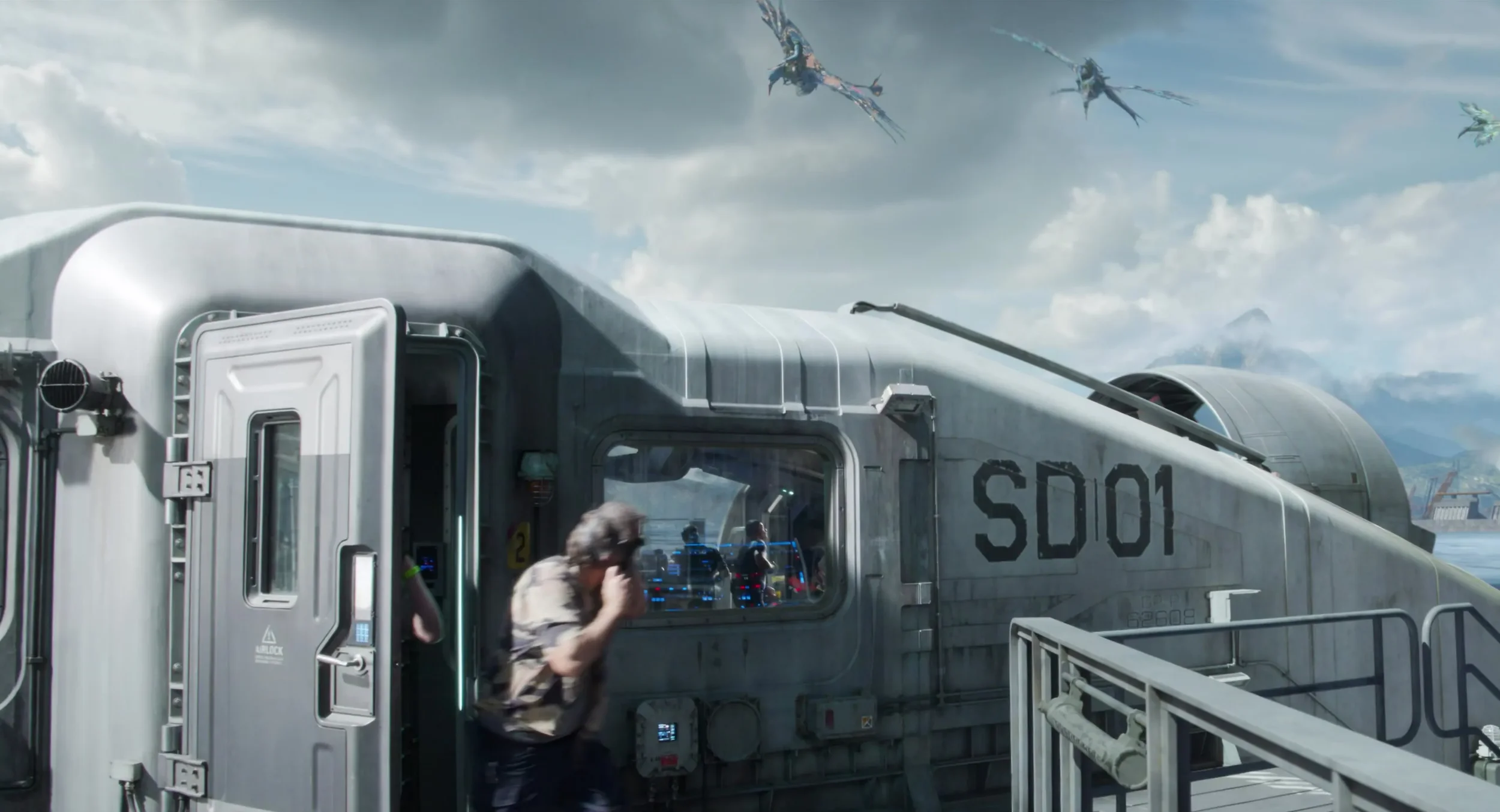
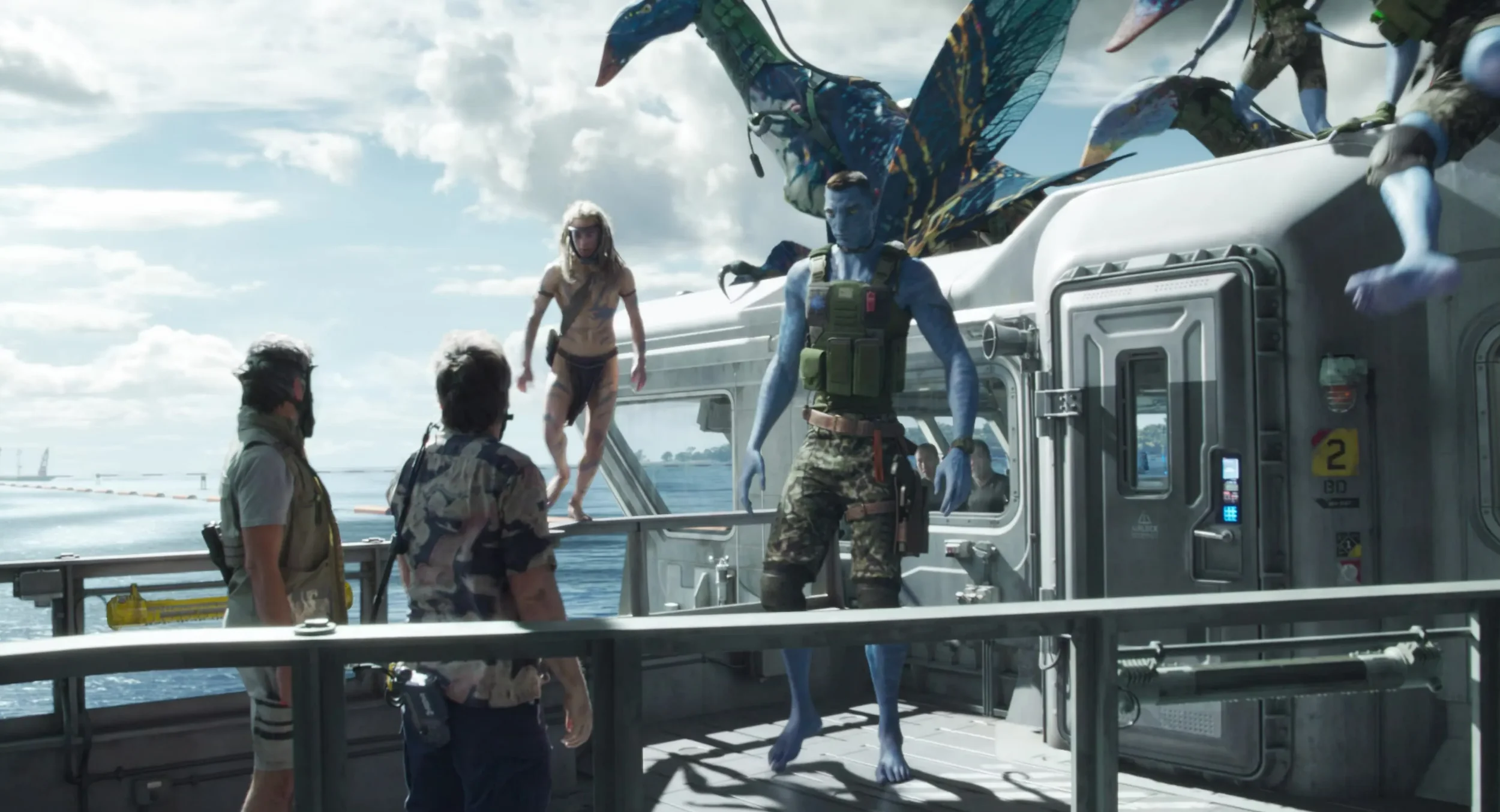
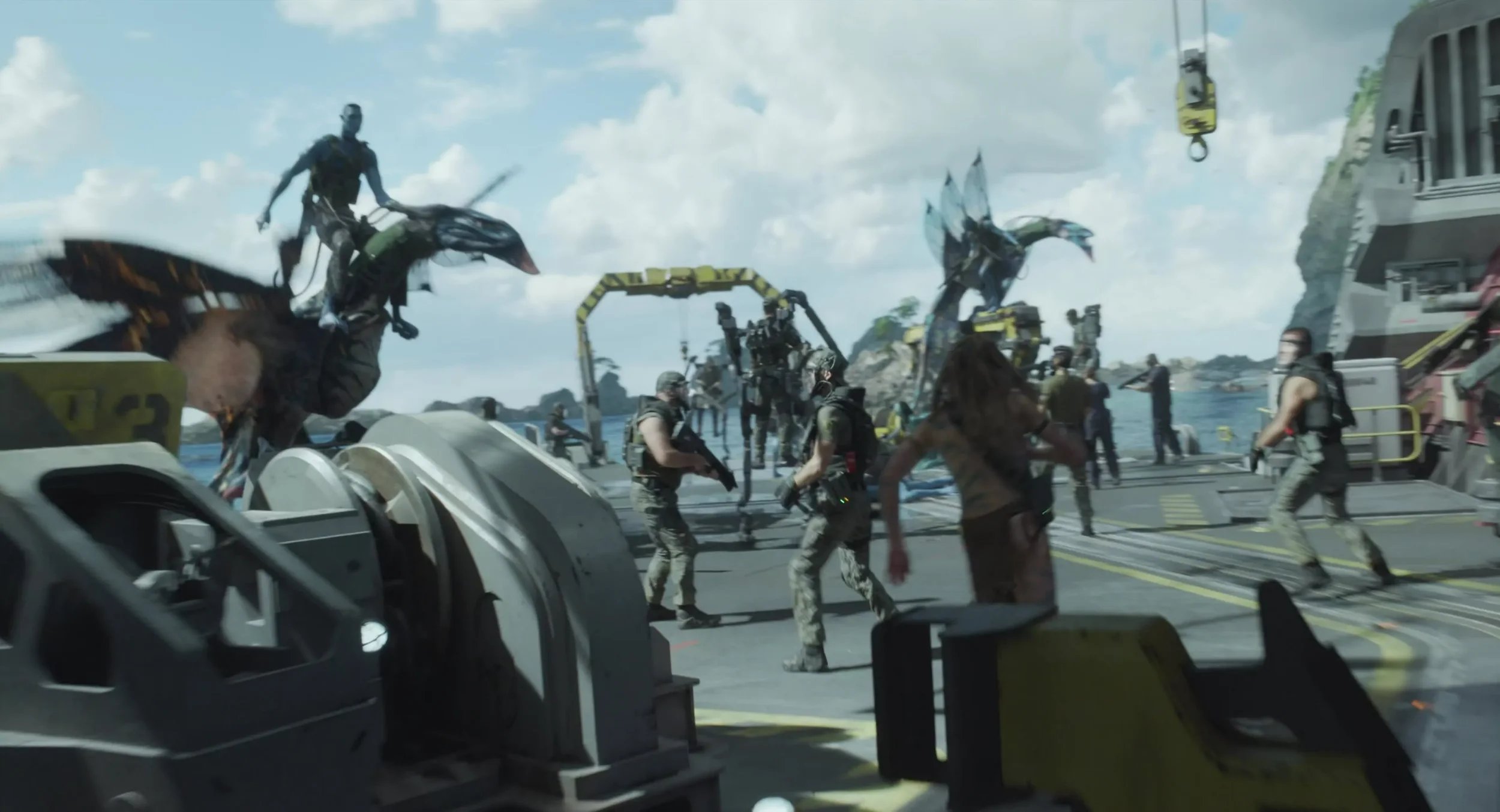
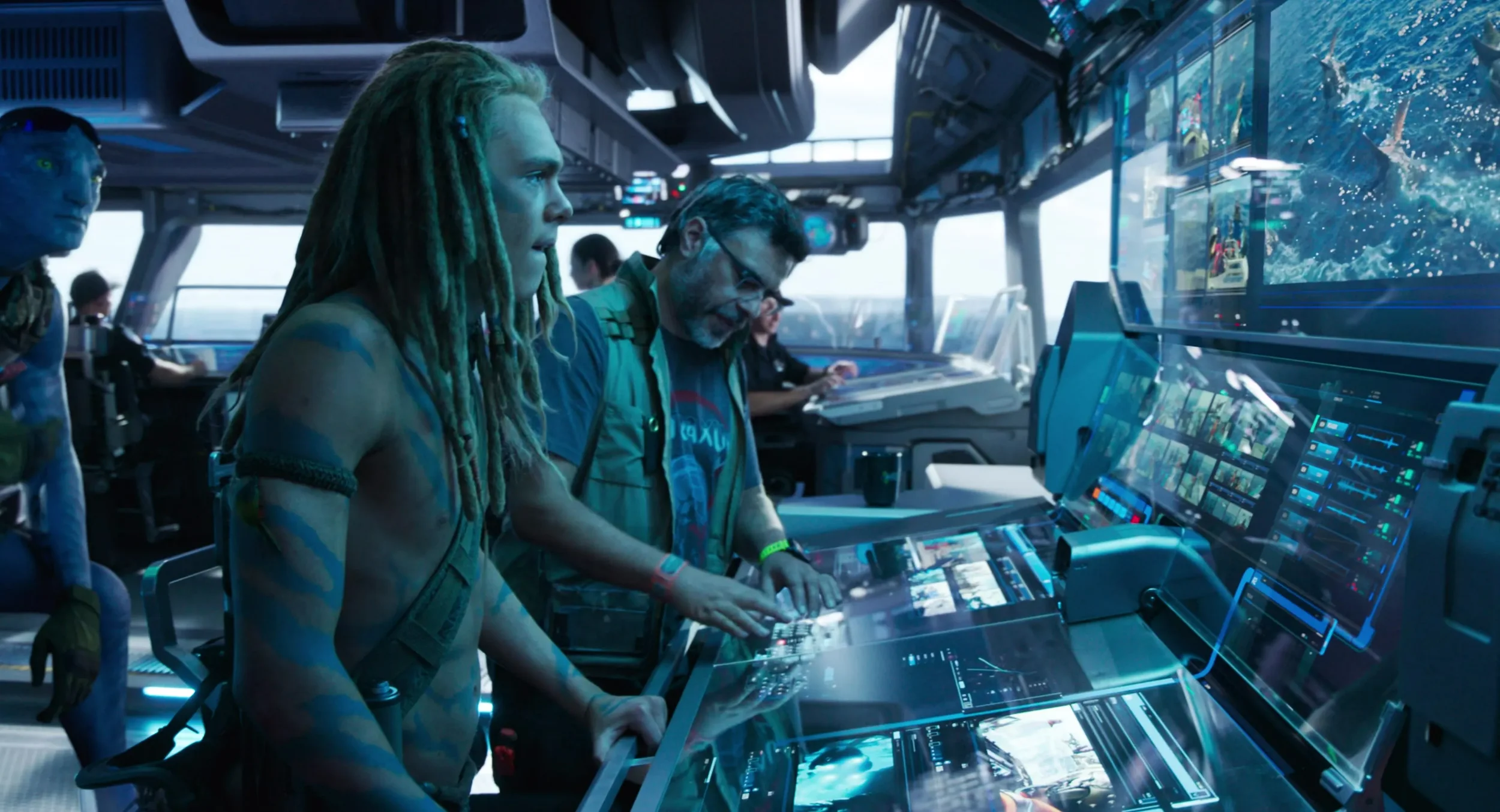
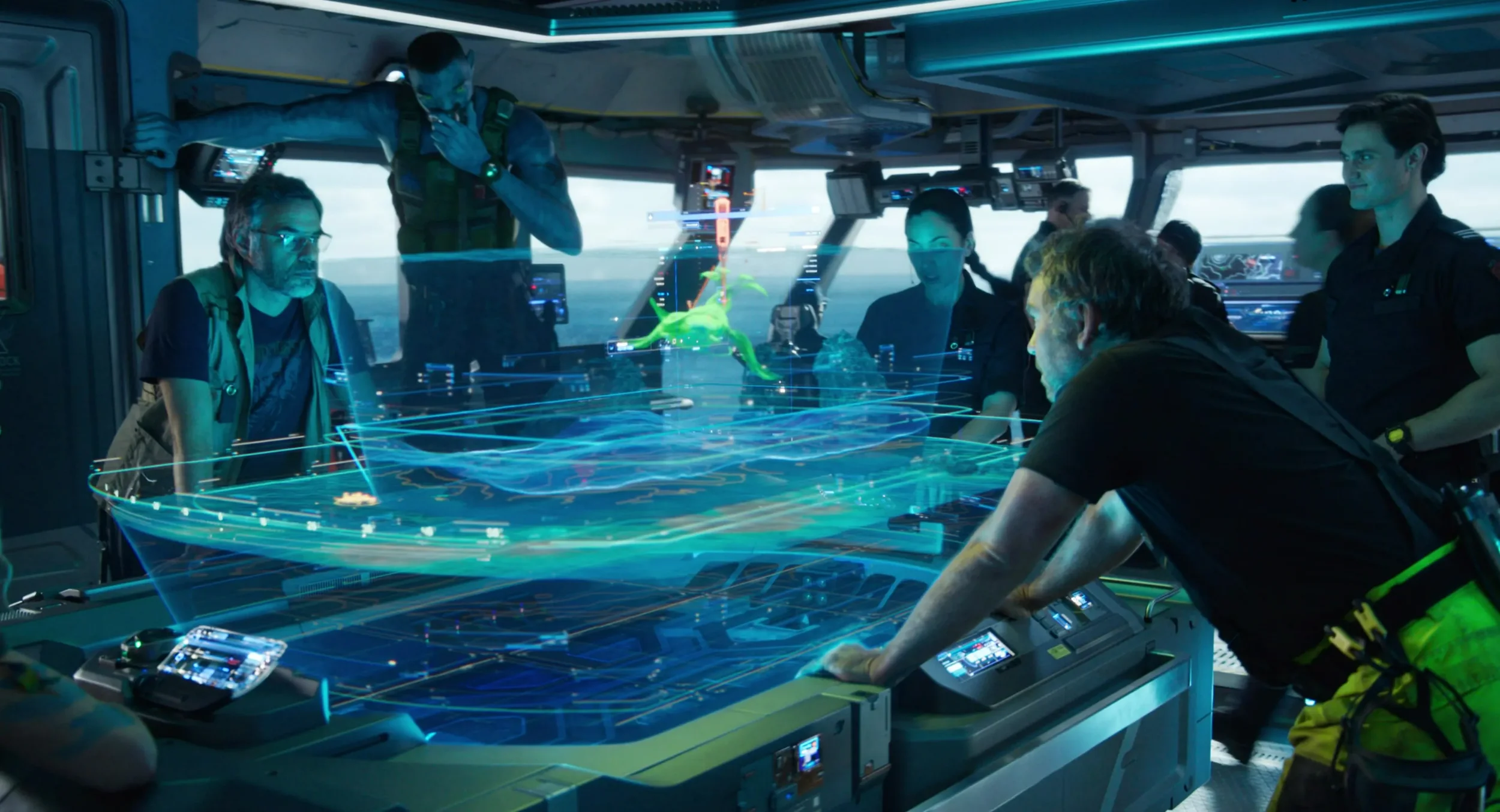
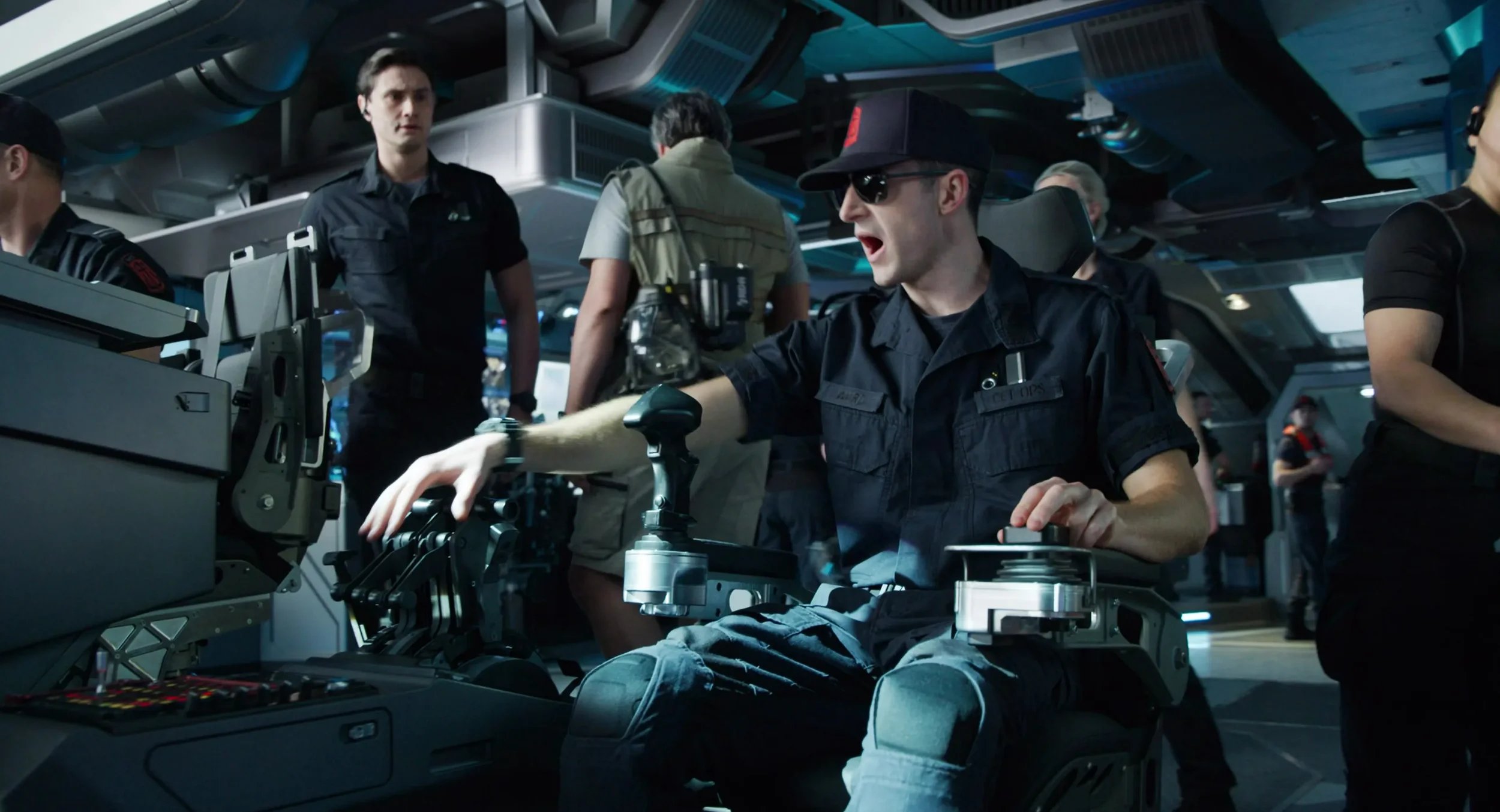
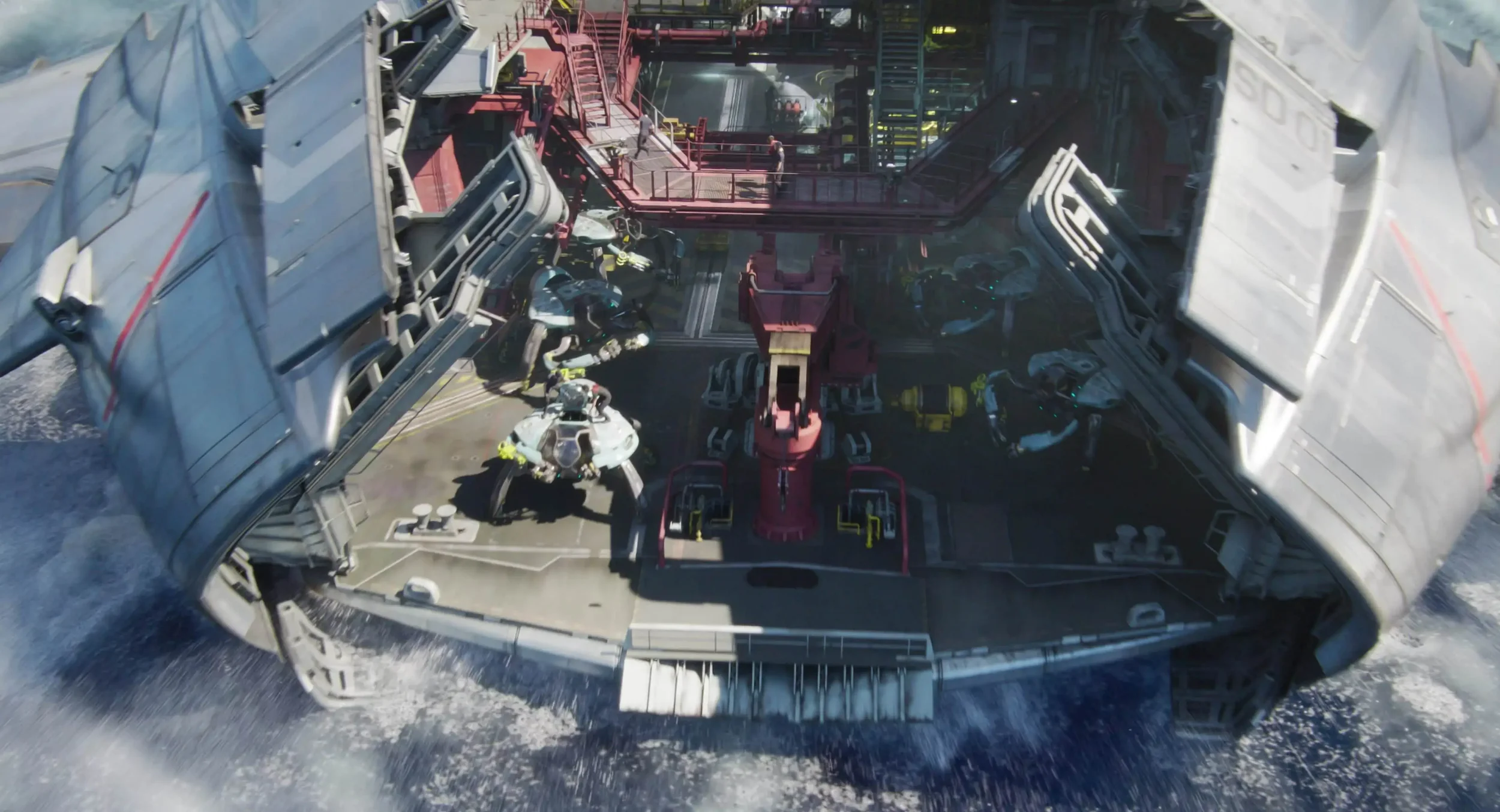
The Seadragon is the RDA’s whaling vessel, used to hunt tulkun for amrita. I was fortunate to do extensive modeling and texturing on it alongside our production designer, supervisor, and team of artists. My work spanned the hull balconies, the interior layout, the top landing pad, and the bridge inside and out. I also designed and modeled the cranes and helped fine-tune the vessel’s textures.
Crane Design
Solely responsible for designing and modeling the A-cranes on the rear of the vessel.
Modeled and textured the cranes used throughout the rest of the ship.
Bridge Interior
Modeled and textured consoles throughout the bridge command room.
Refined the model and textures of the pilot’s chair and joystick console.
Bridge Exterior and Doors
Modeled and textured the exterior of the bridge, along with doors used throughout the vessel. Both appear in the shots below.
Hull and Landing Pad
Built out the balconies along the hull and the top landing pad.
Interior Layout
Laid out the pillars, stairs, and stacks of crates and supplies inside the vessel.
Seadragon interior
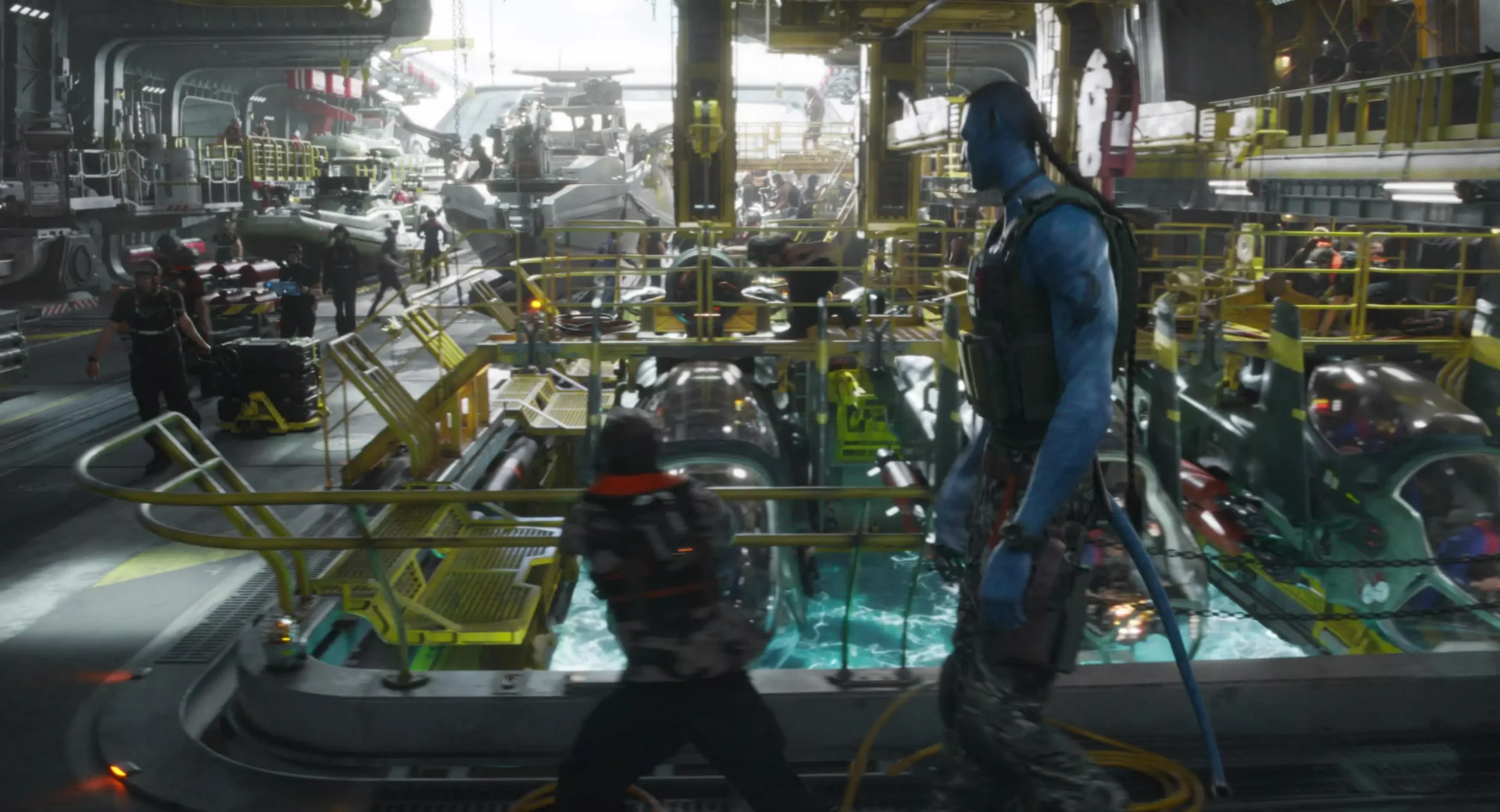
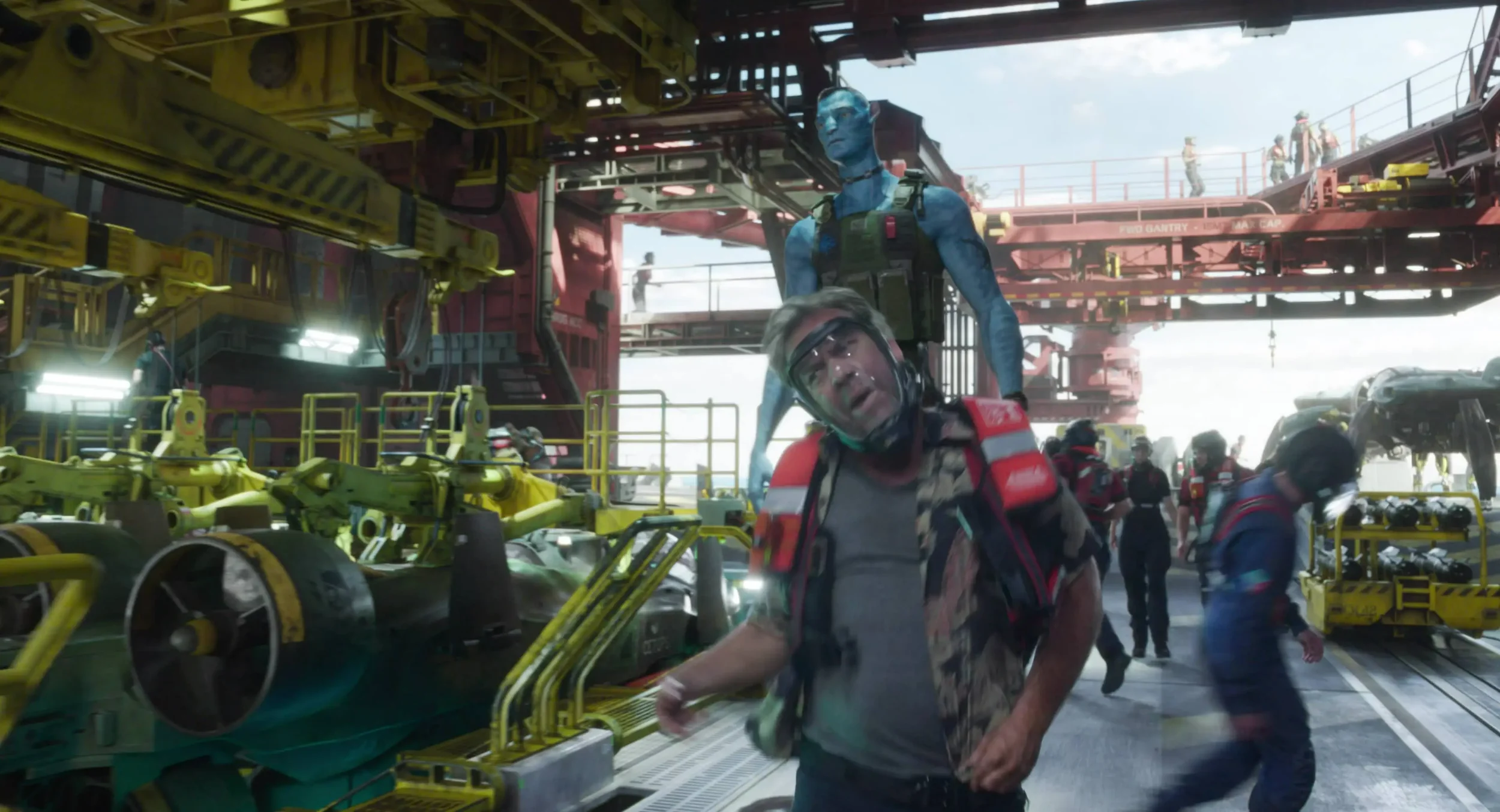
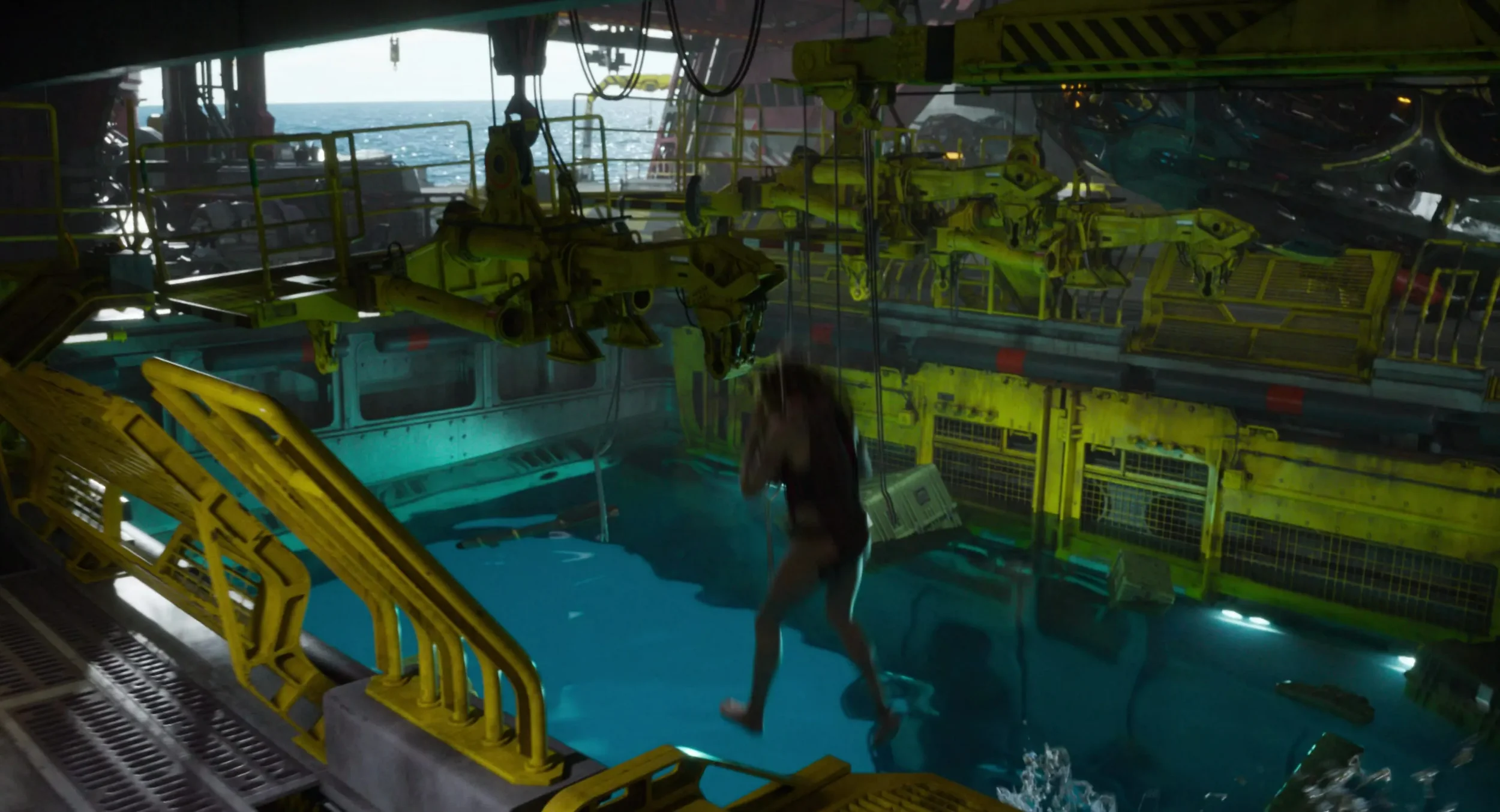
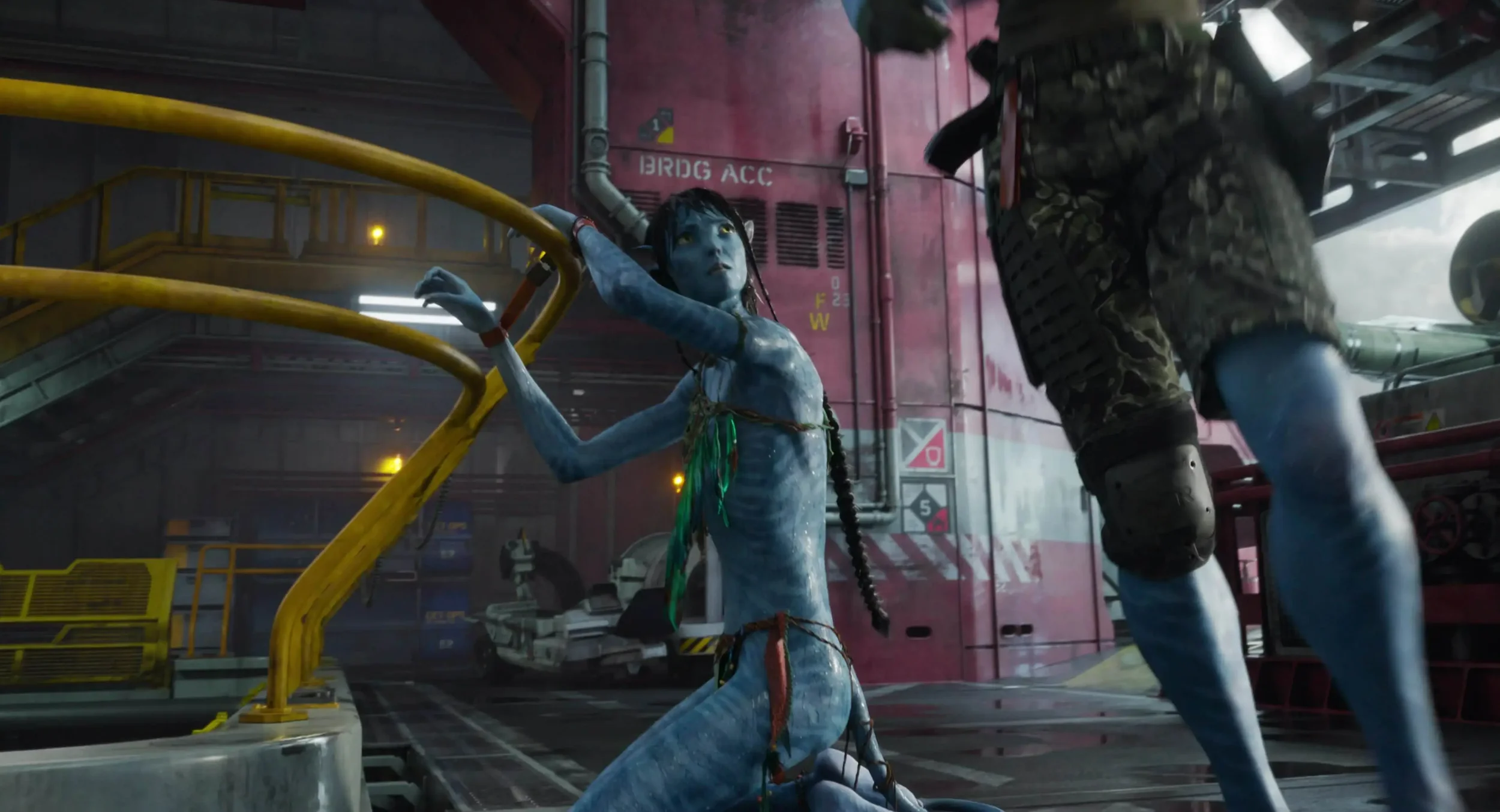
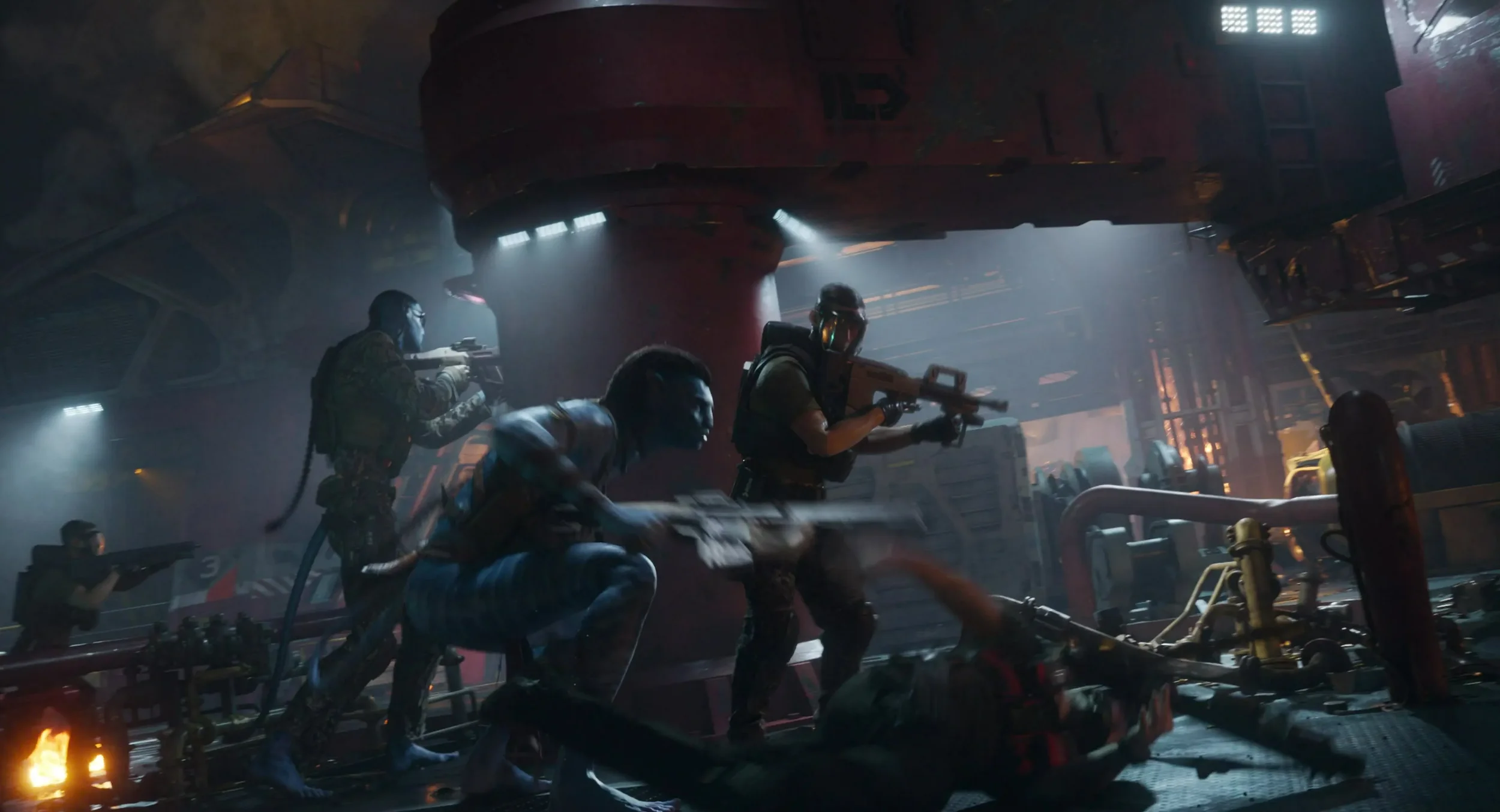
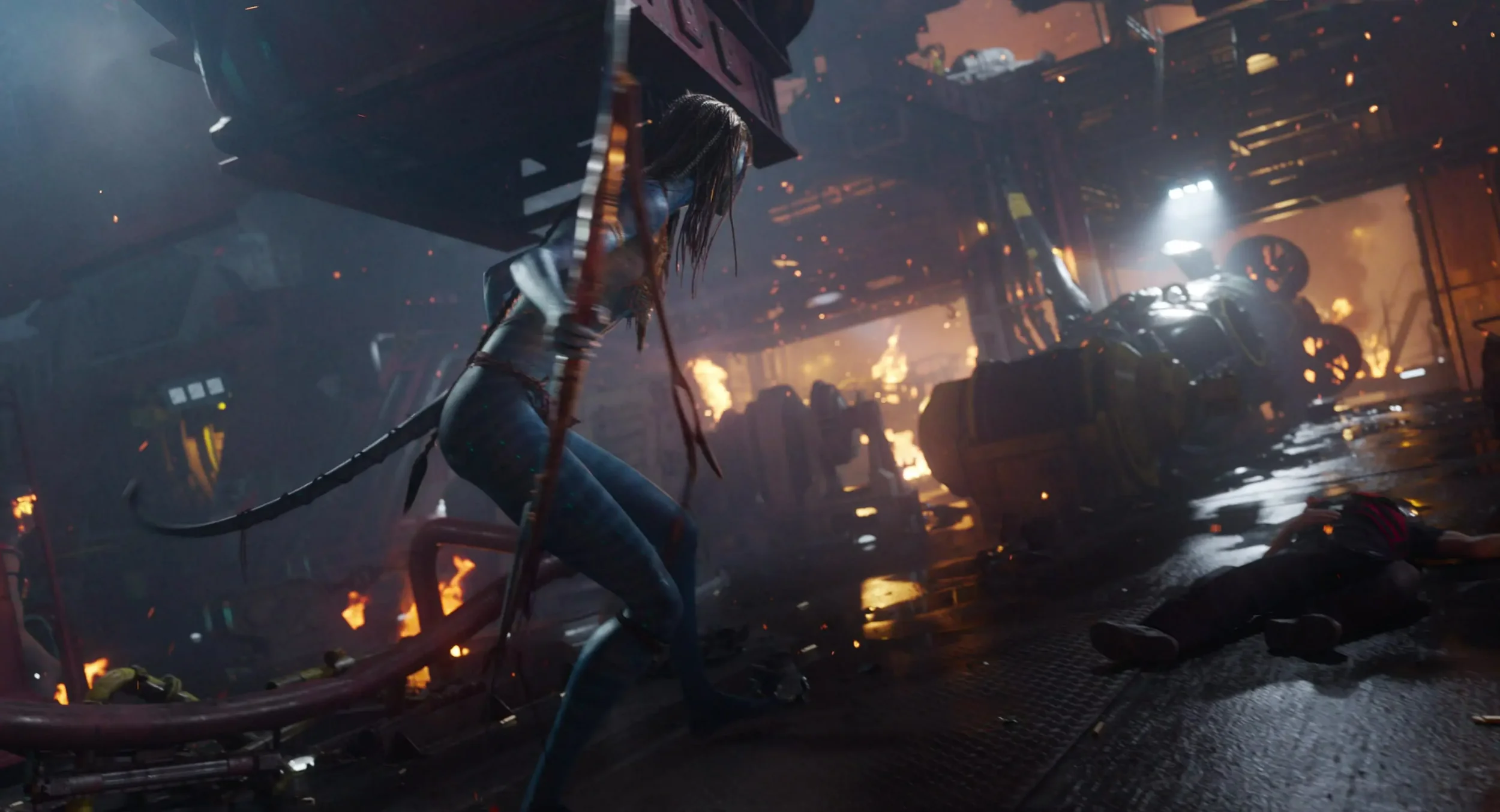
The Seadragon’s interior is even more complex than its exterior. Working with our team, I contributed across modeling and texturing, layout, lighting, and atmosphere, helping build a dense, believable working ship.
Modeling and Texturing
Modeled and textured several asset groups, and built reusable modular chunks the team used to populate the interior.
Created reusable metal textures for handrails, stairs, and pipes.
Interior Layout
Helped finalize the placement of pillars, stairs, piping, corridors, handrails, and supplies.
Lighting and Atmosphere
Built practical lights and handled lighting for the after-dark scenes.
Built the smoke and atmosphere for the nighttime fire scenes.
seawasp crash scene
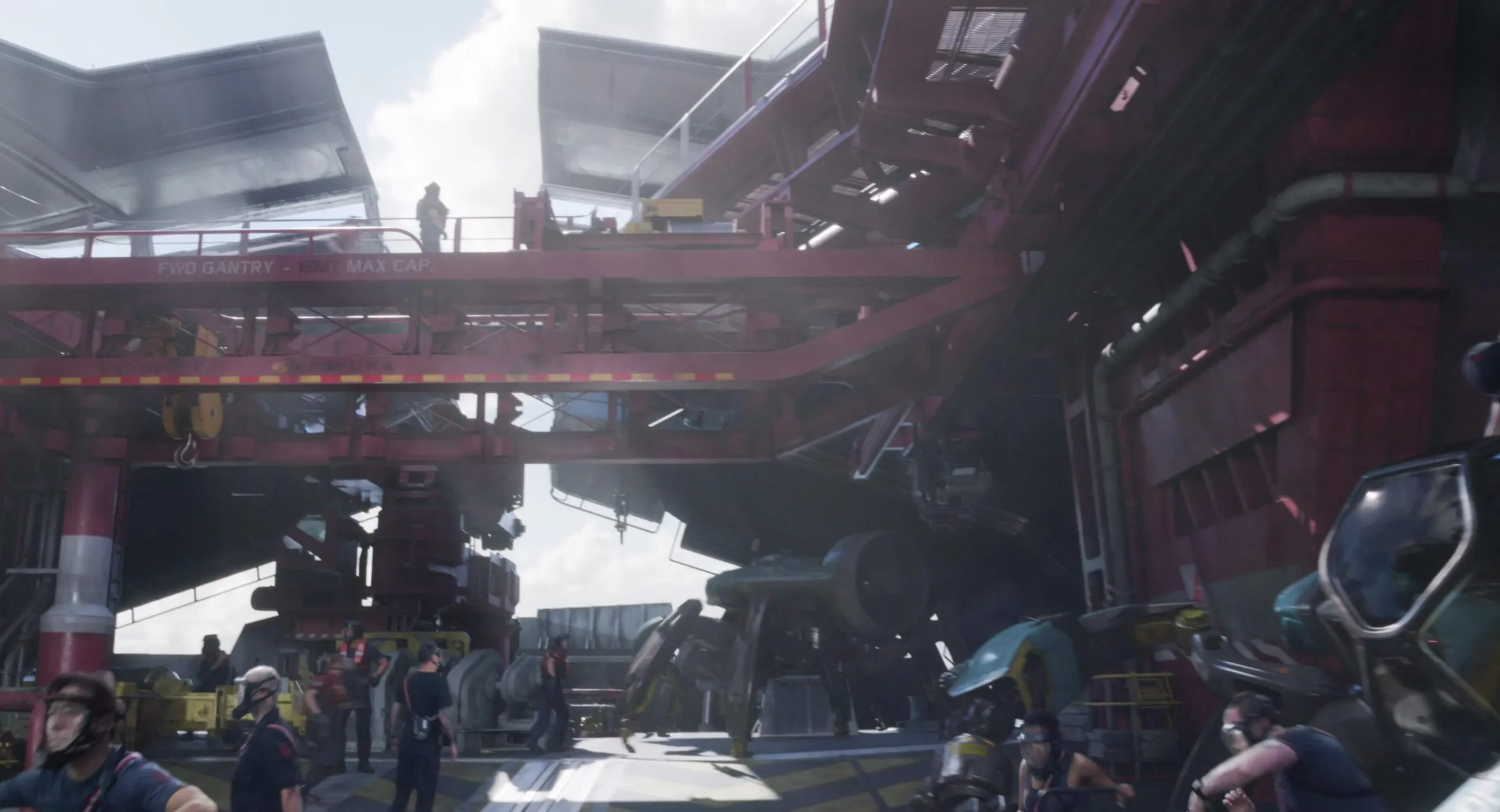
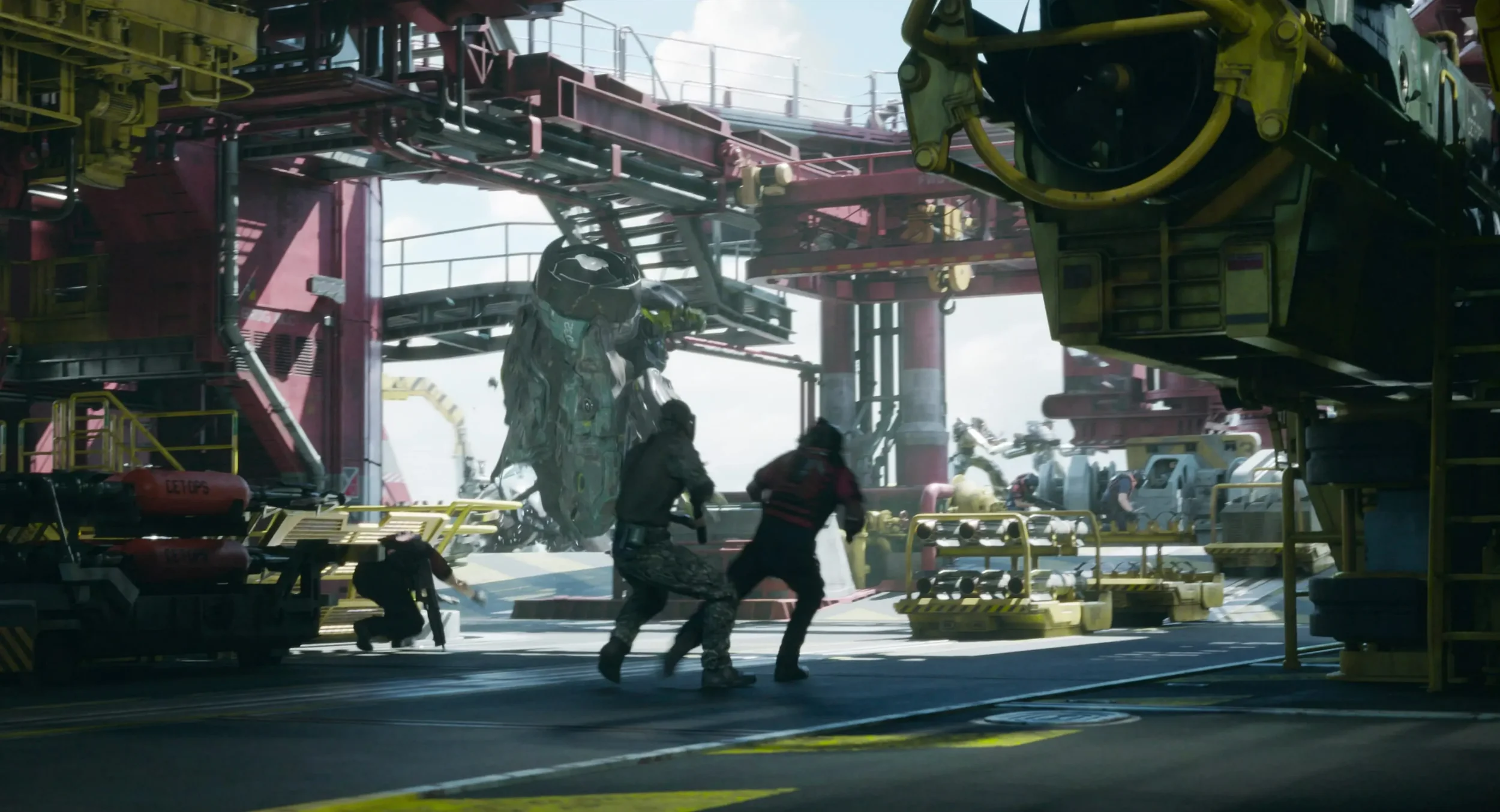
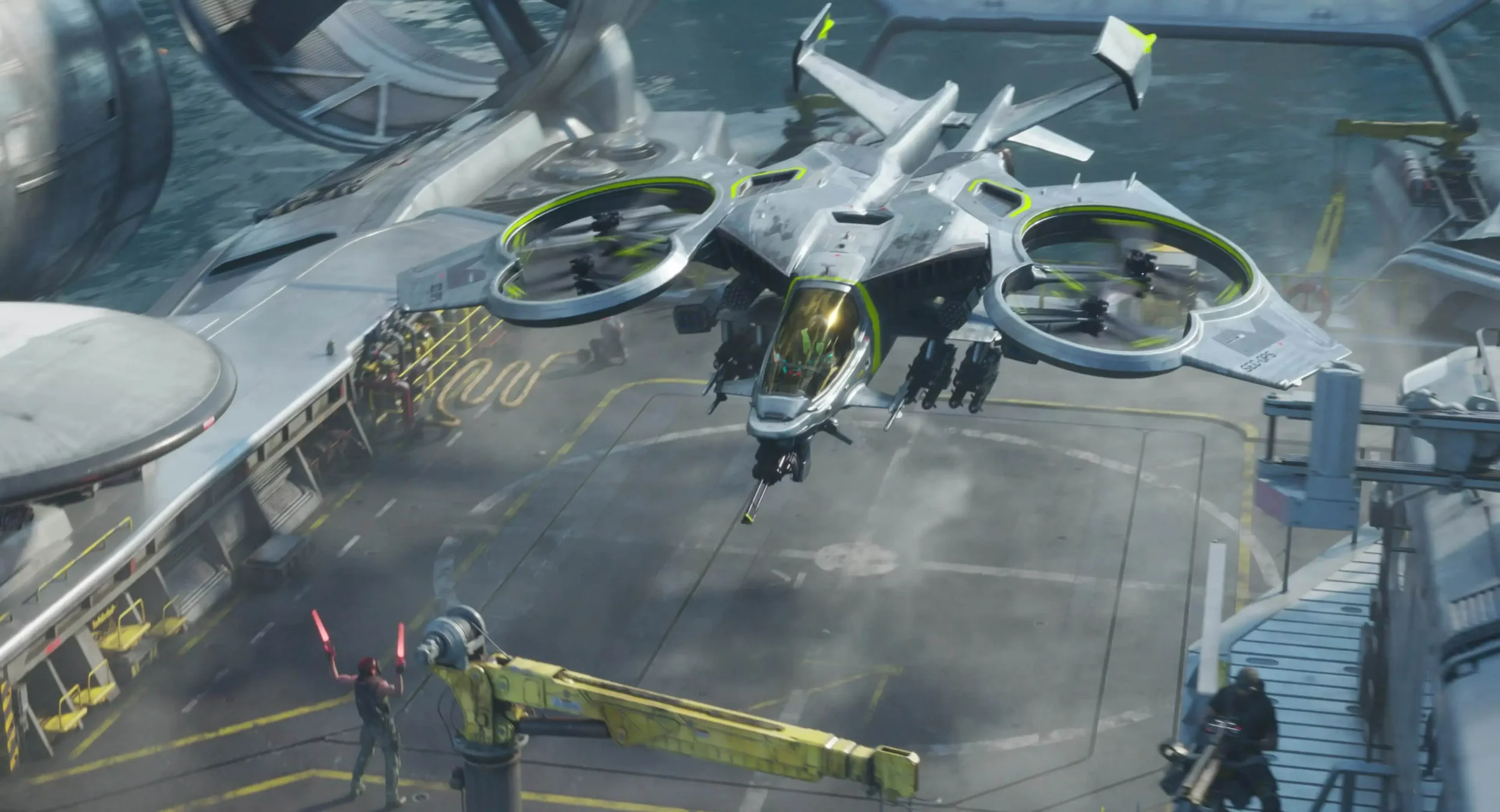
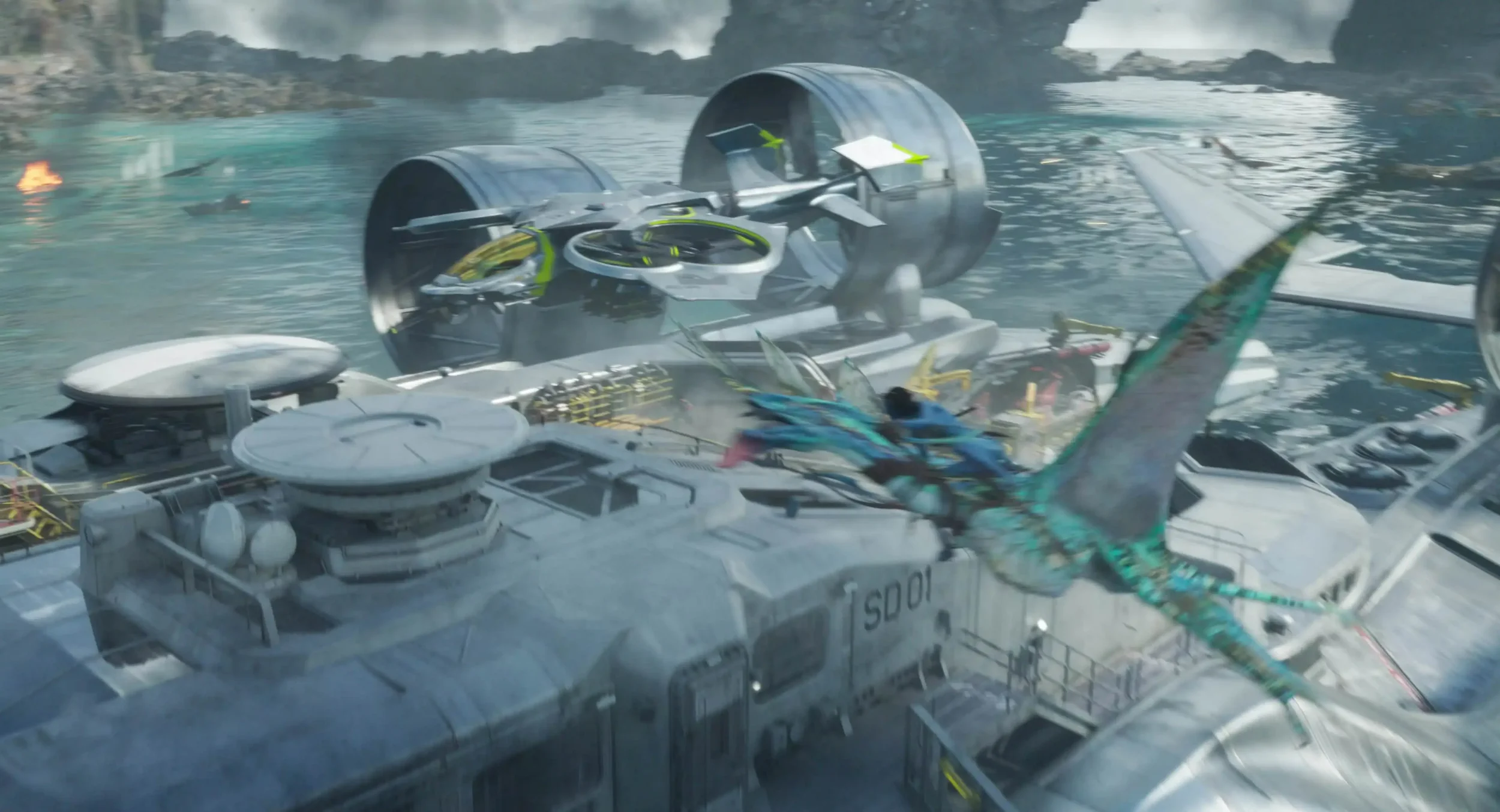
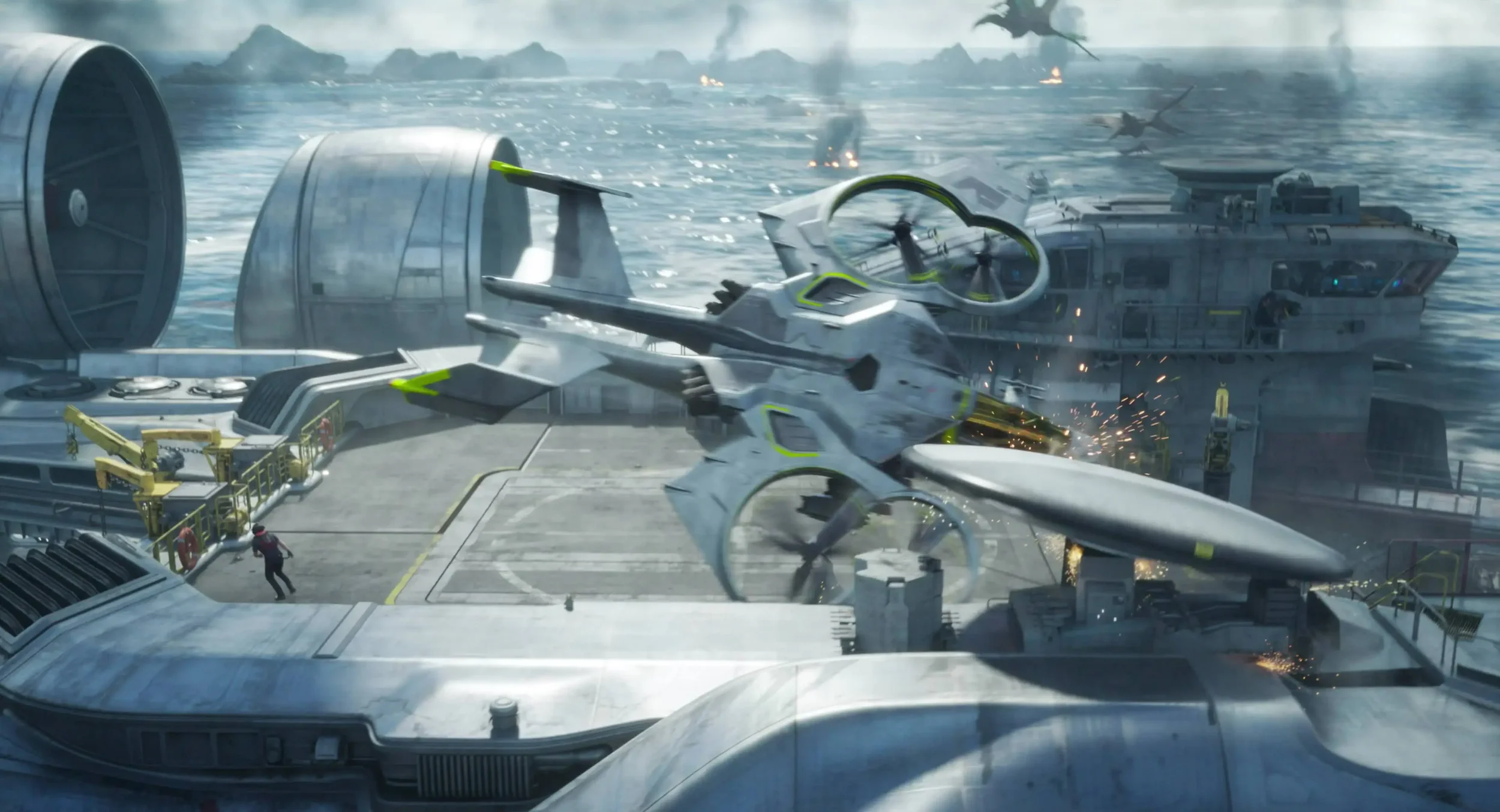
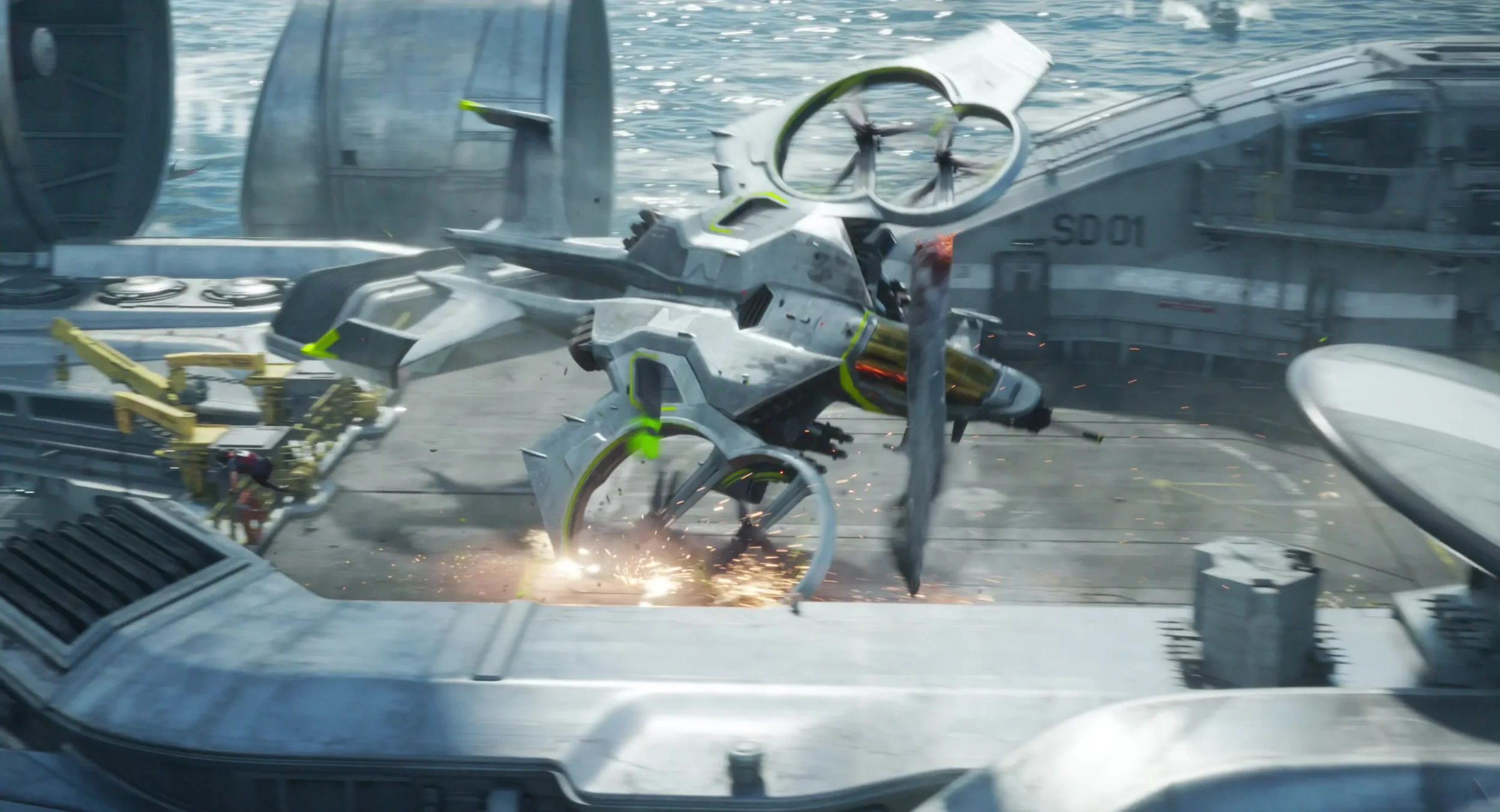
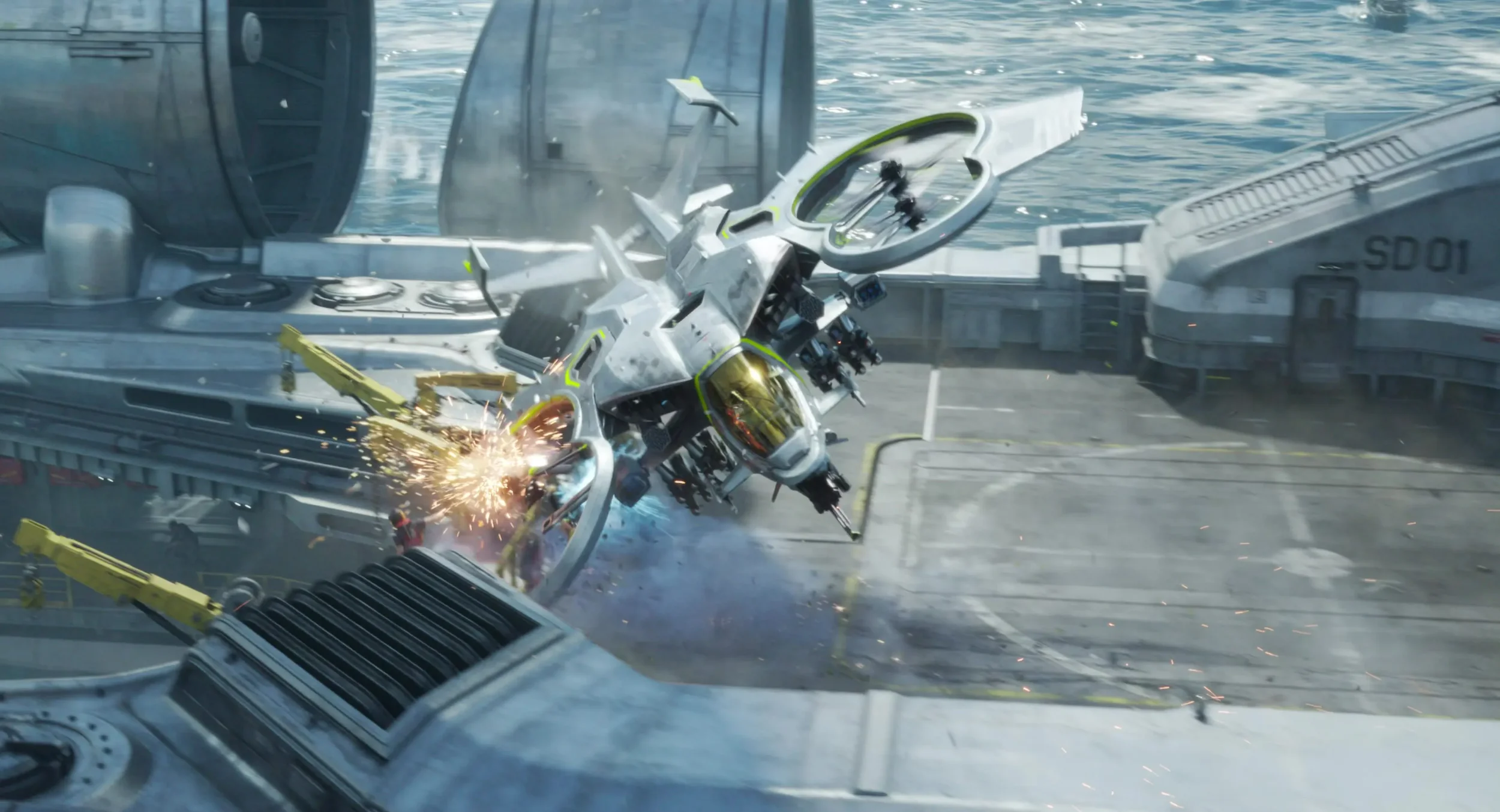
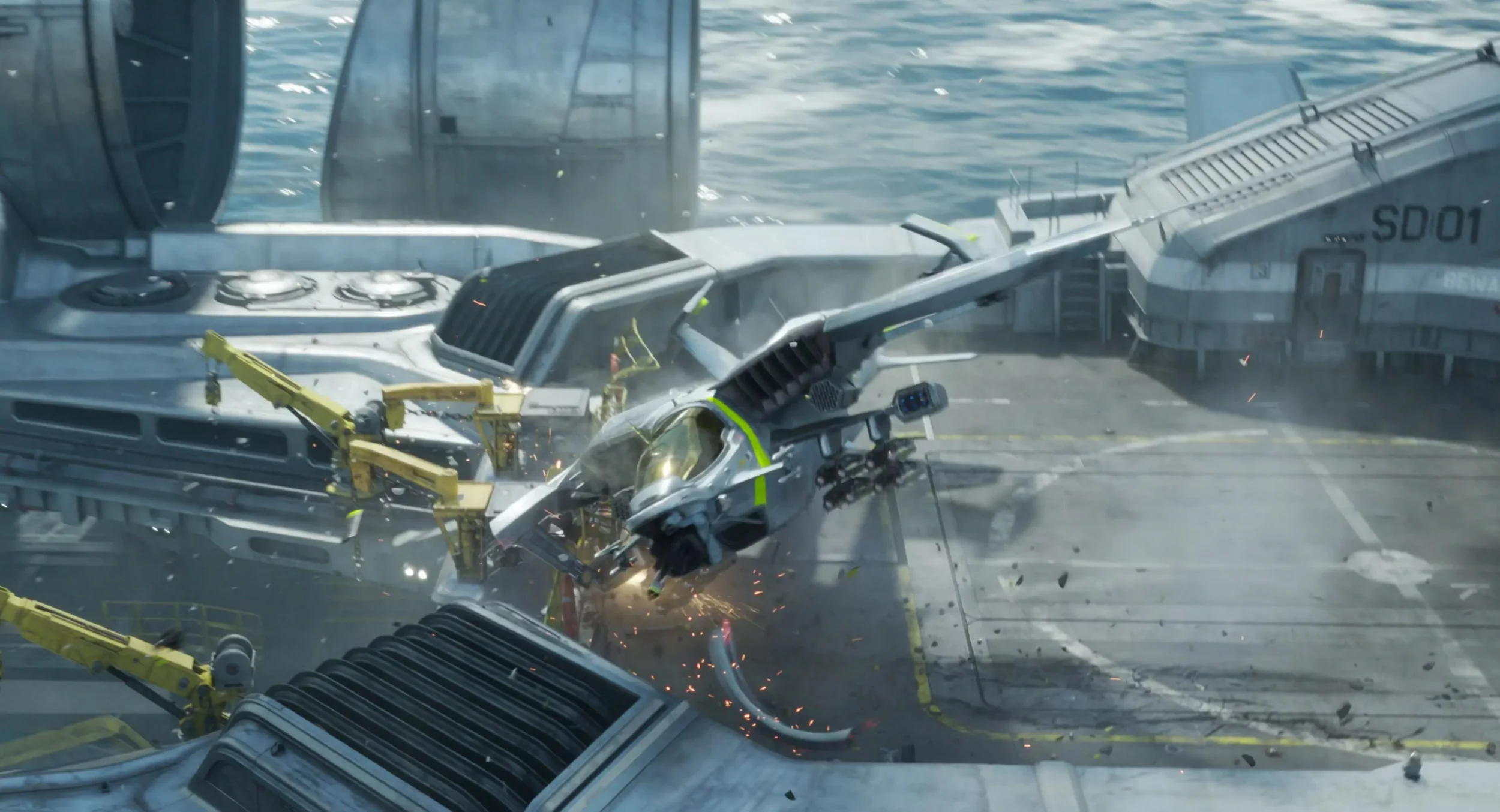
In this scene, Neytiri takes down a Seawasp mid-takeoff, and it crashes onto the Seadragon’s landing pad. I was responsible for dressing the landing pad, laying out the wreckage, and modeling and texturing the crashing Seawasp. That included look-developing its damage at each stage of the crash.
Damage Look Dev
Modeled and textured the crashing Seawasp, developing how its damage progressed at each stage of the crash.
Wreckage Layout
Laid out the crashed pieces across the landing pad so the aftermath read believably.
Set Dressing
Dressed the Seadragon’s landing pad for the scene.
tulkun drill scene
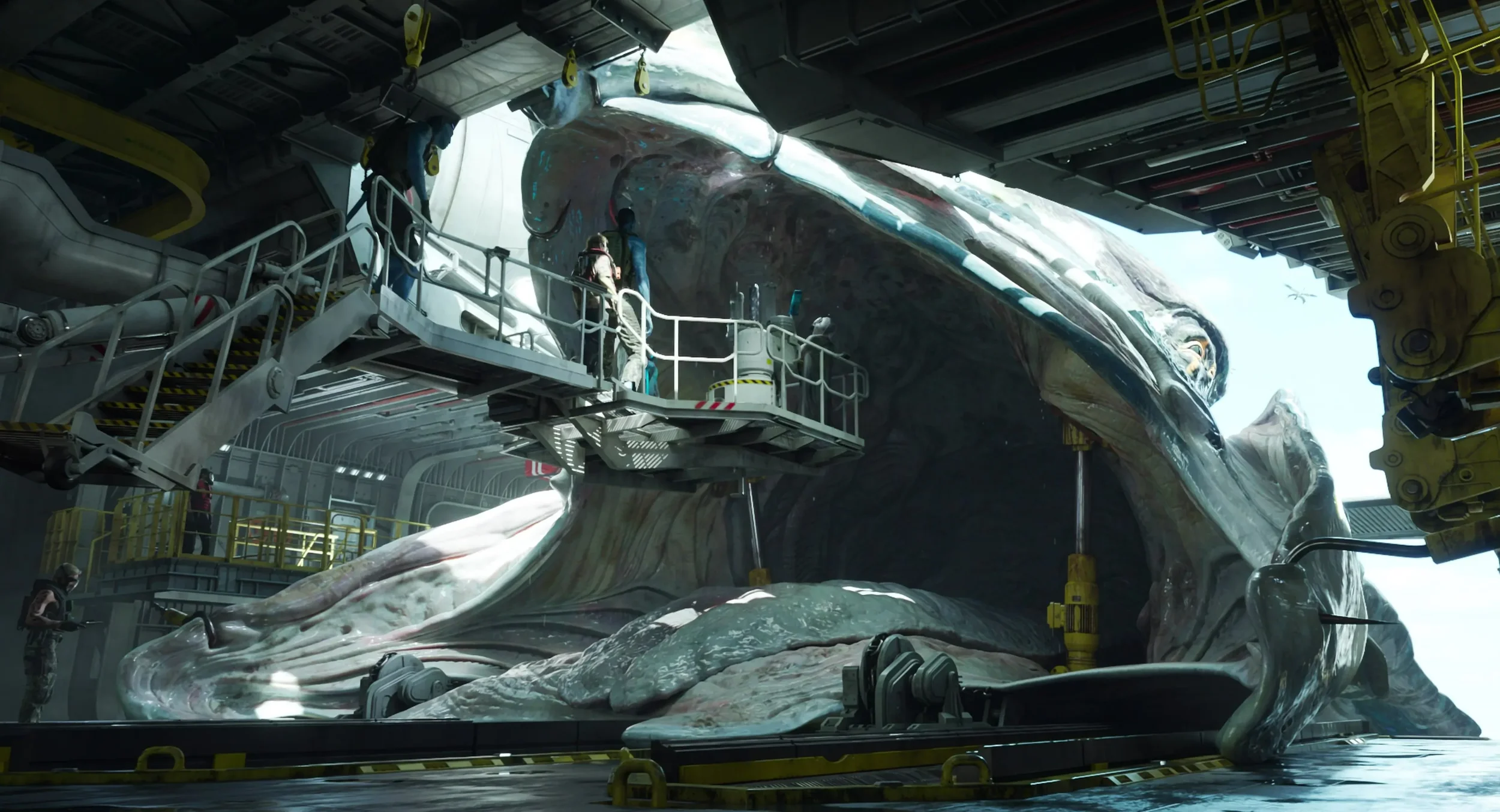
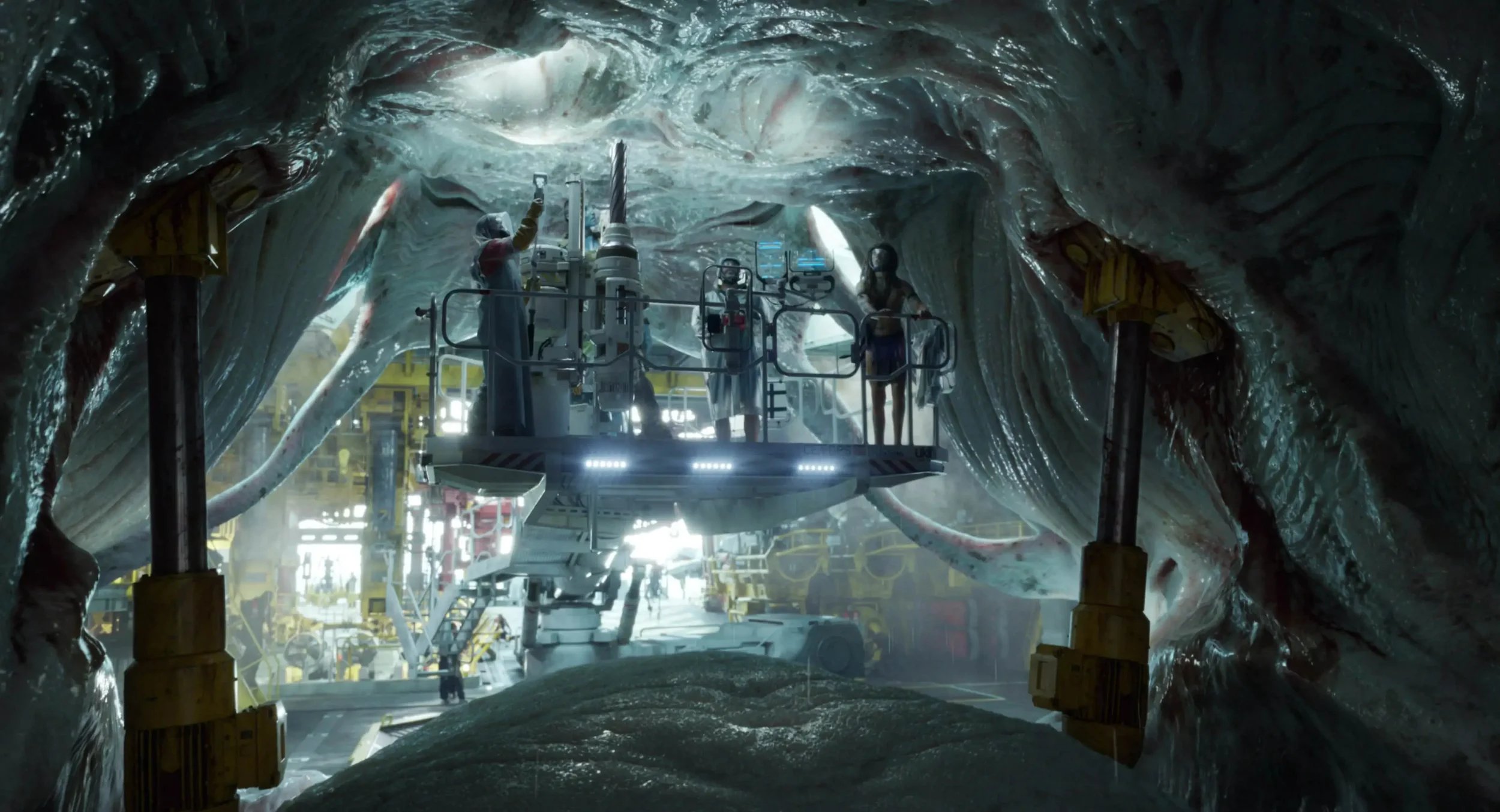
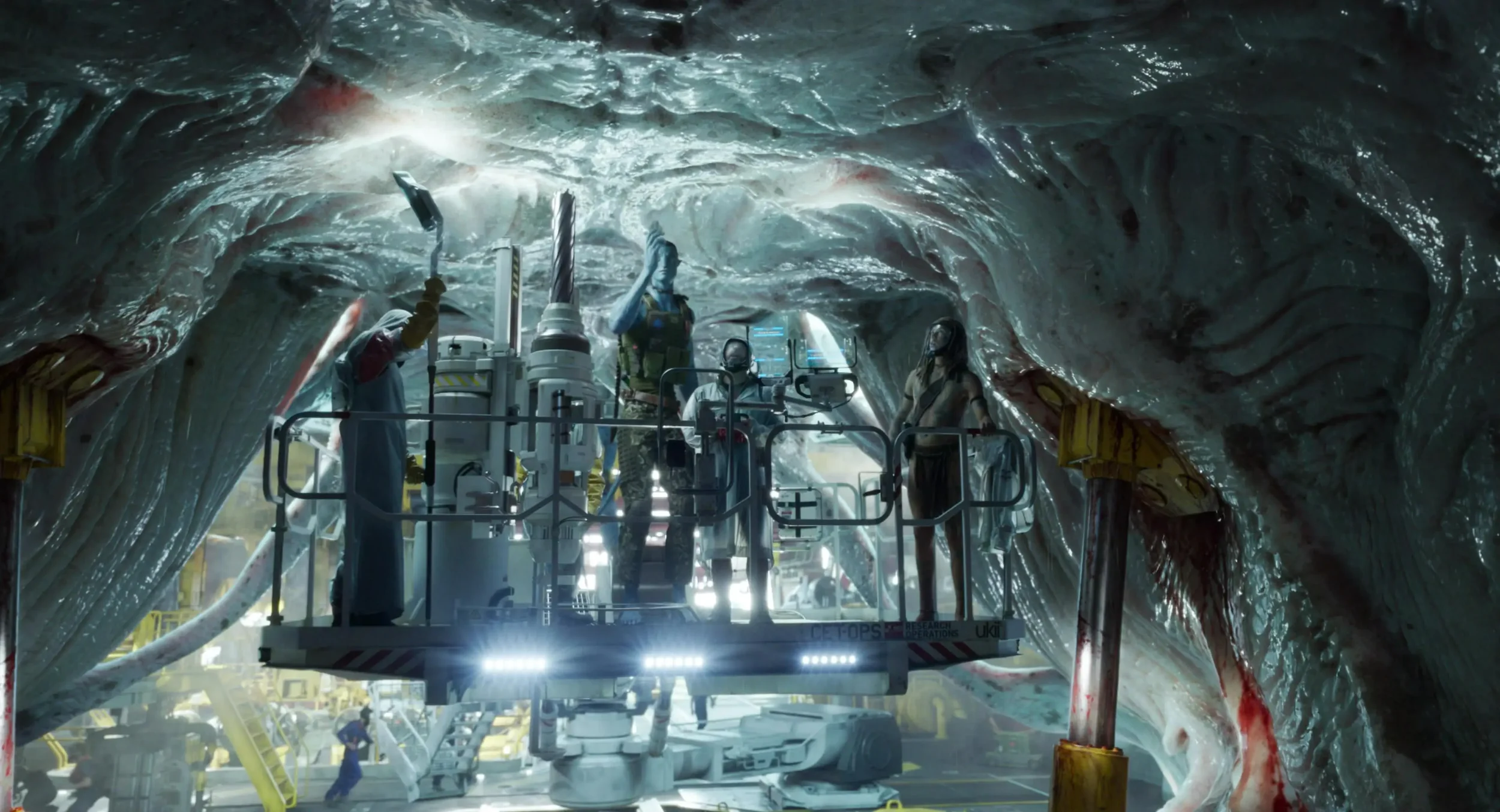
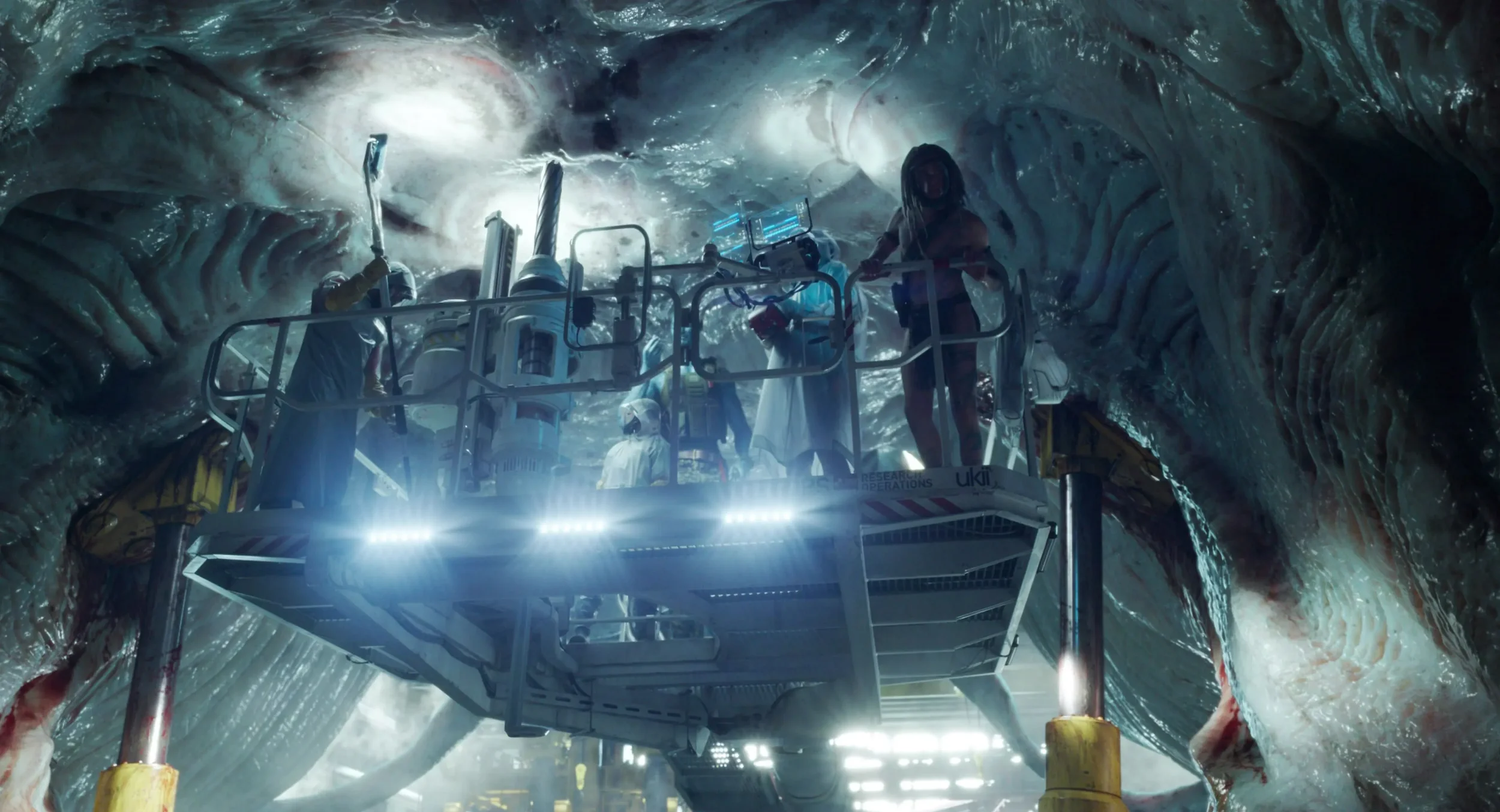
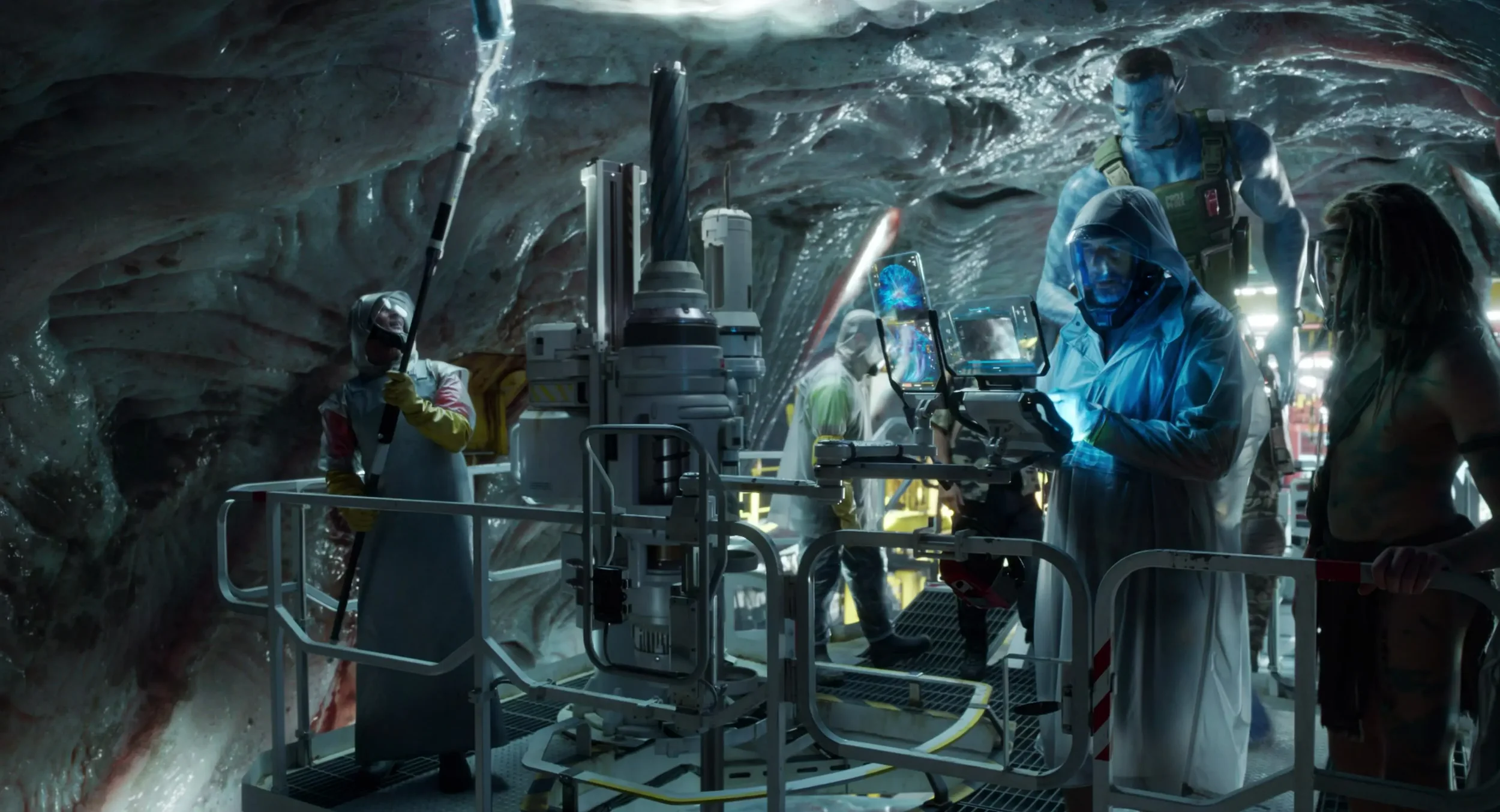
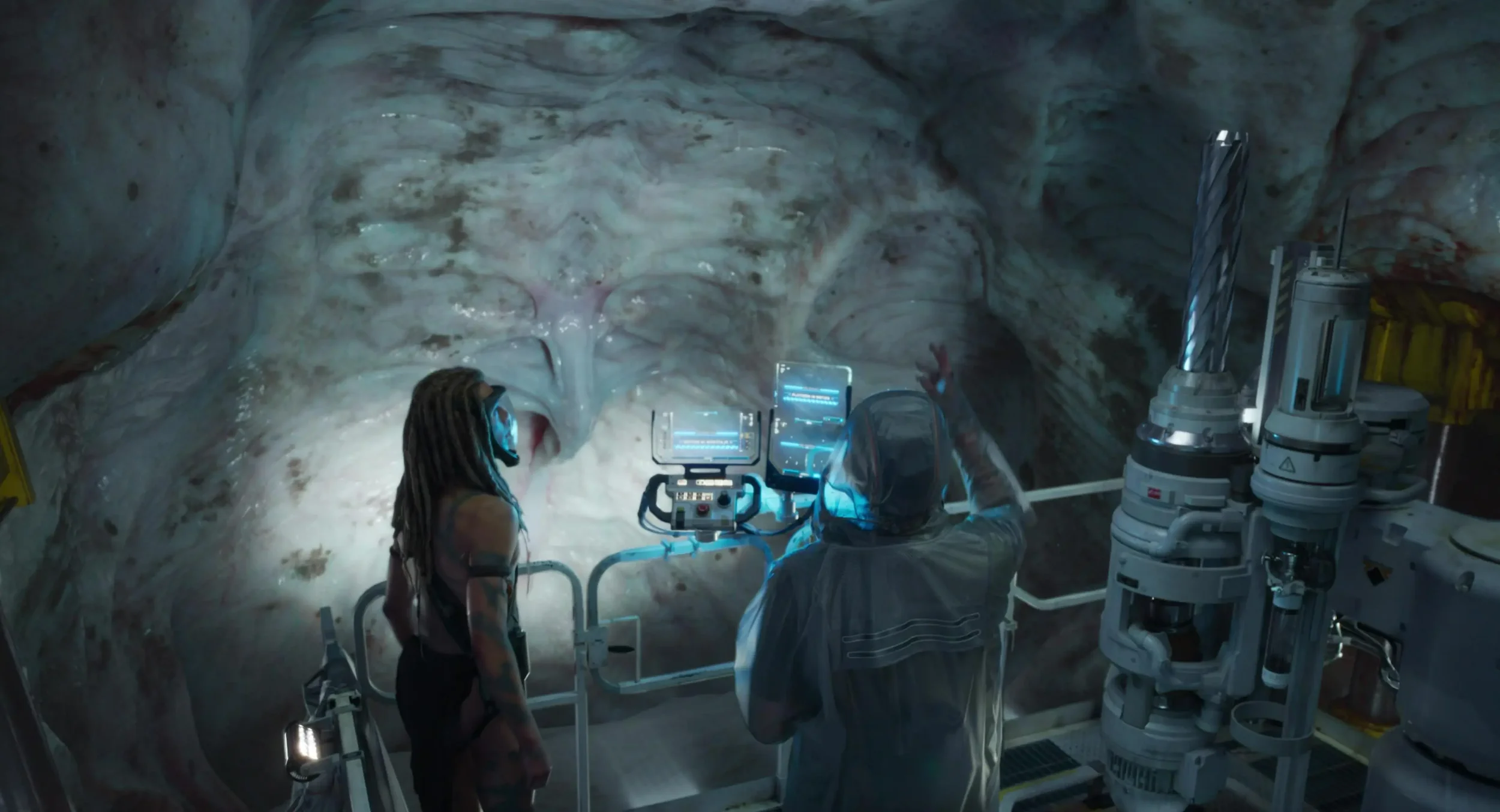
The RDA uses a specialized mechanical drill to puncture a hunted tulkun’s skull and extract amrita, a valuable yellow liquid, from a specific gland. As the lone artist on this asset, working under our department supervisor and production designer, I modeled and textured the drill and all its corresponding pieces.
Drill Asset
Modeled and textured the mechanical drill using 3d reference from concept art team, designing it to read as brutal and functional on camera.
Supporting Pieces
Modeled and textured all of the drill’s corresponding components so the full rig held together as one cohesive asset.
Sole Ownership
Carried the asset from start to finish as the only artist on it, working directly with our department supervisor and production designer.
crab suit
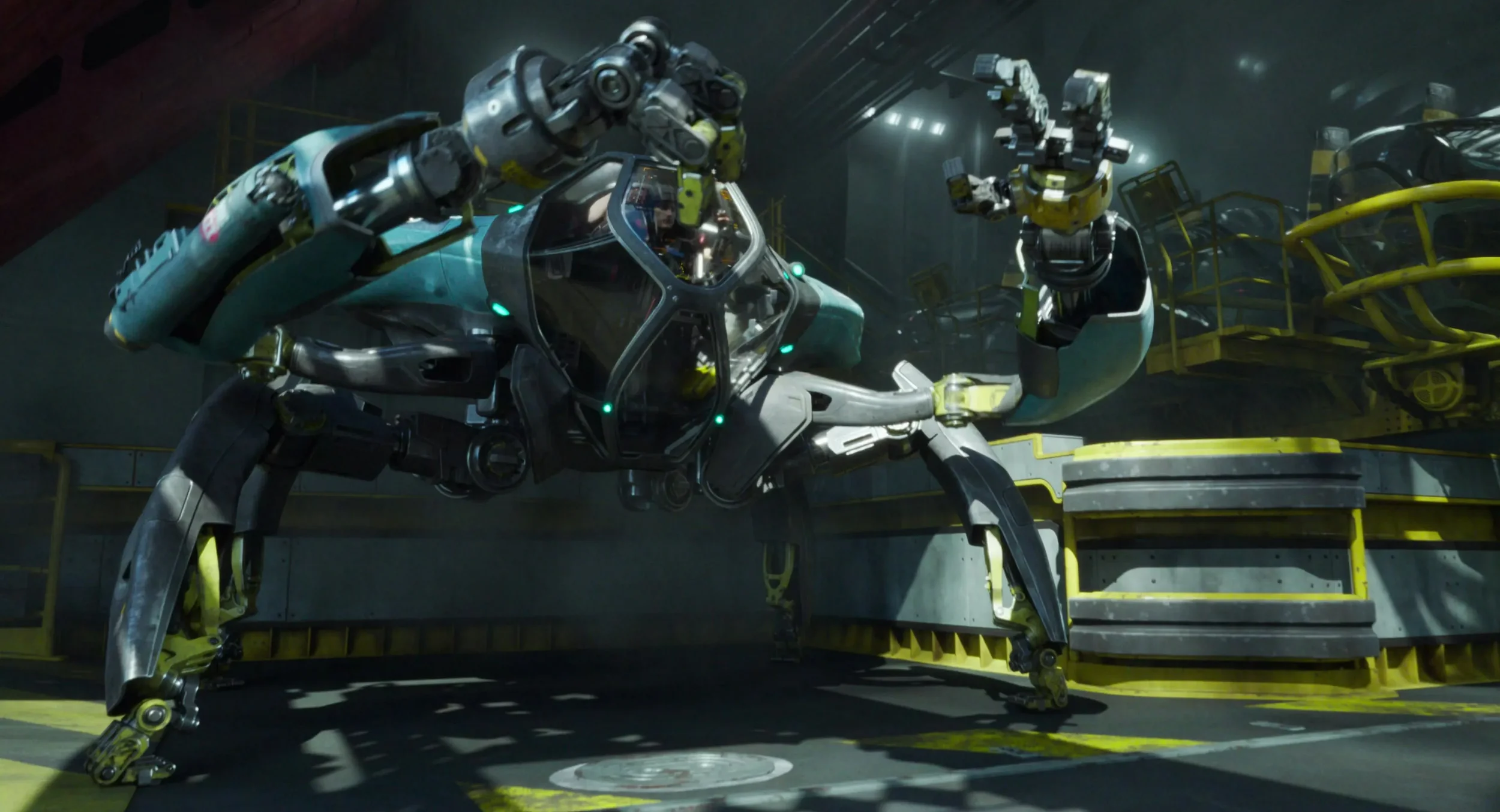
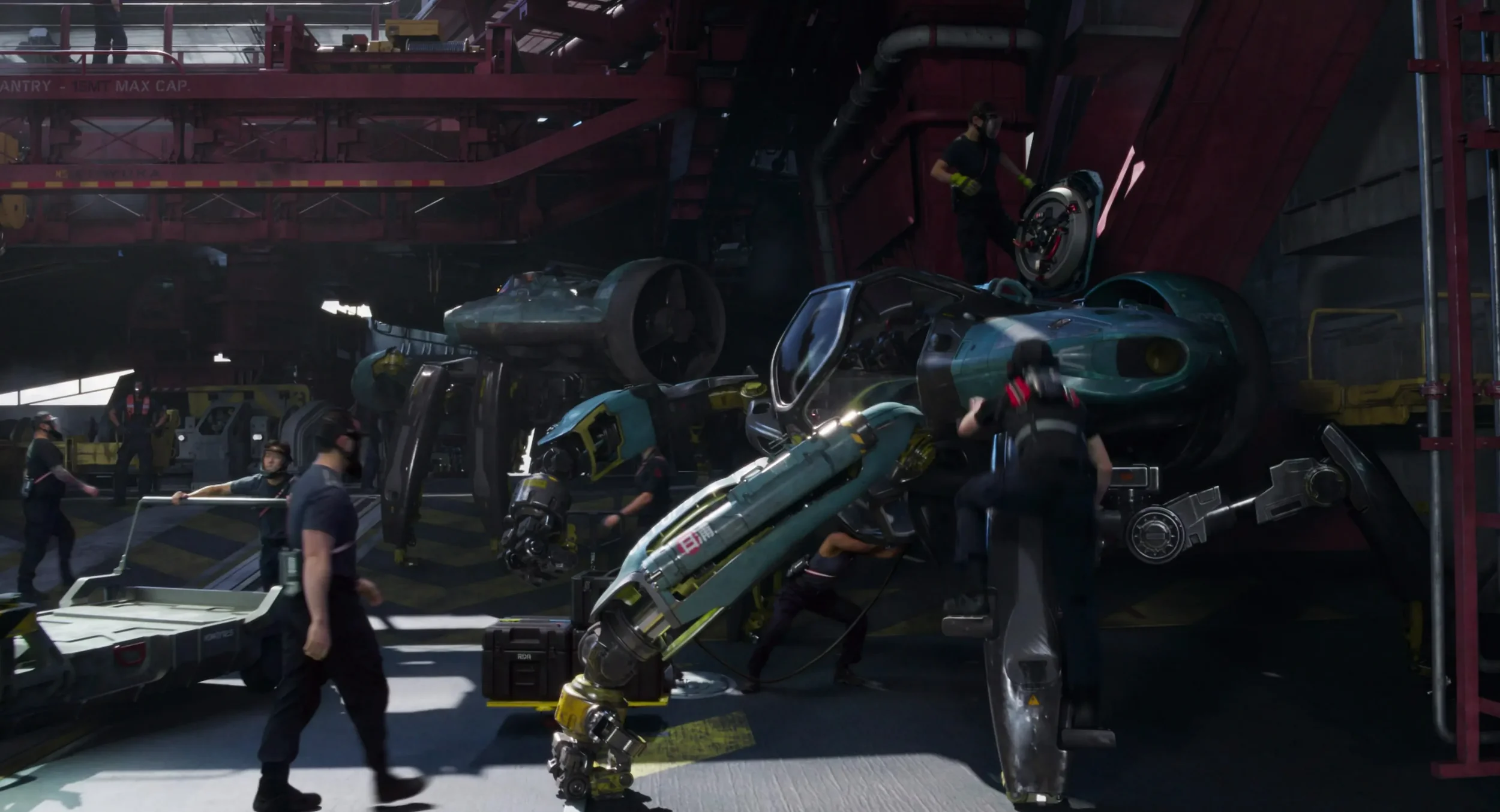
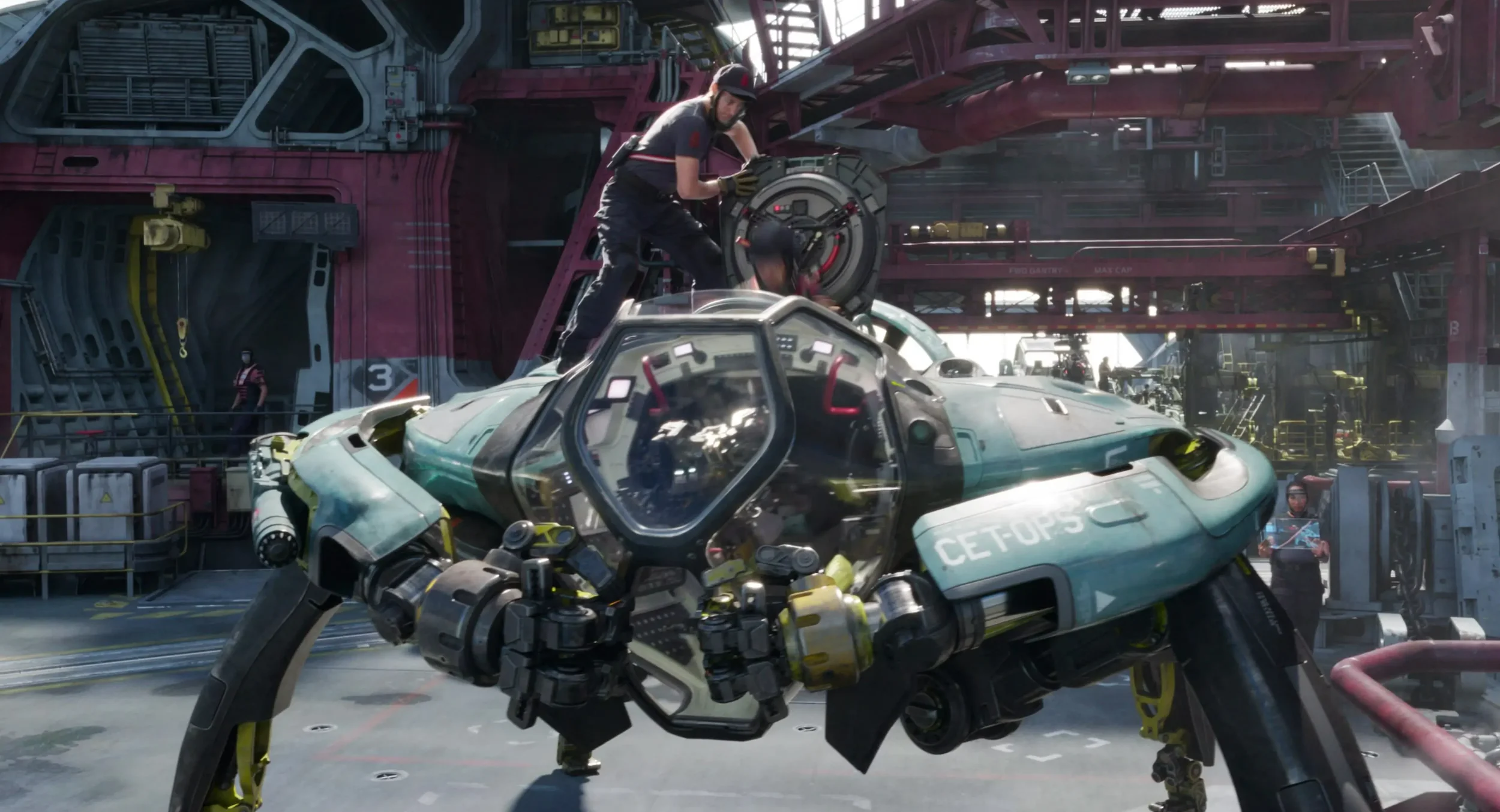
The SMP-2 Crab Suit is a human-piloted submersible built for underwater operations. The suit was designed and modeled by our art department, and I was tasked with texturing it and helping develop its final look under the supervision of our production designer and concept art team.
Texturing and Look Dev
Textured the Crab Suit, working toward its final on-screen look.
Collaborated with the art department to carry their design through to the finished asset.
THe matador
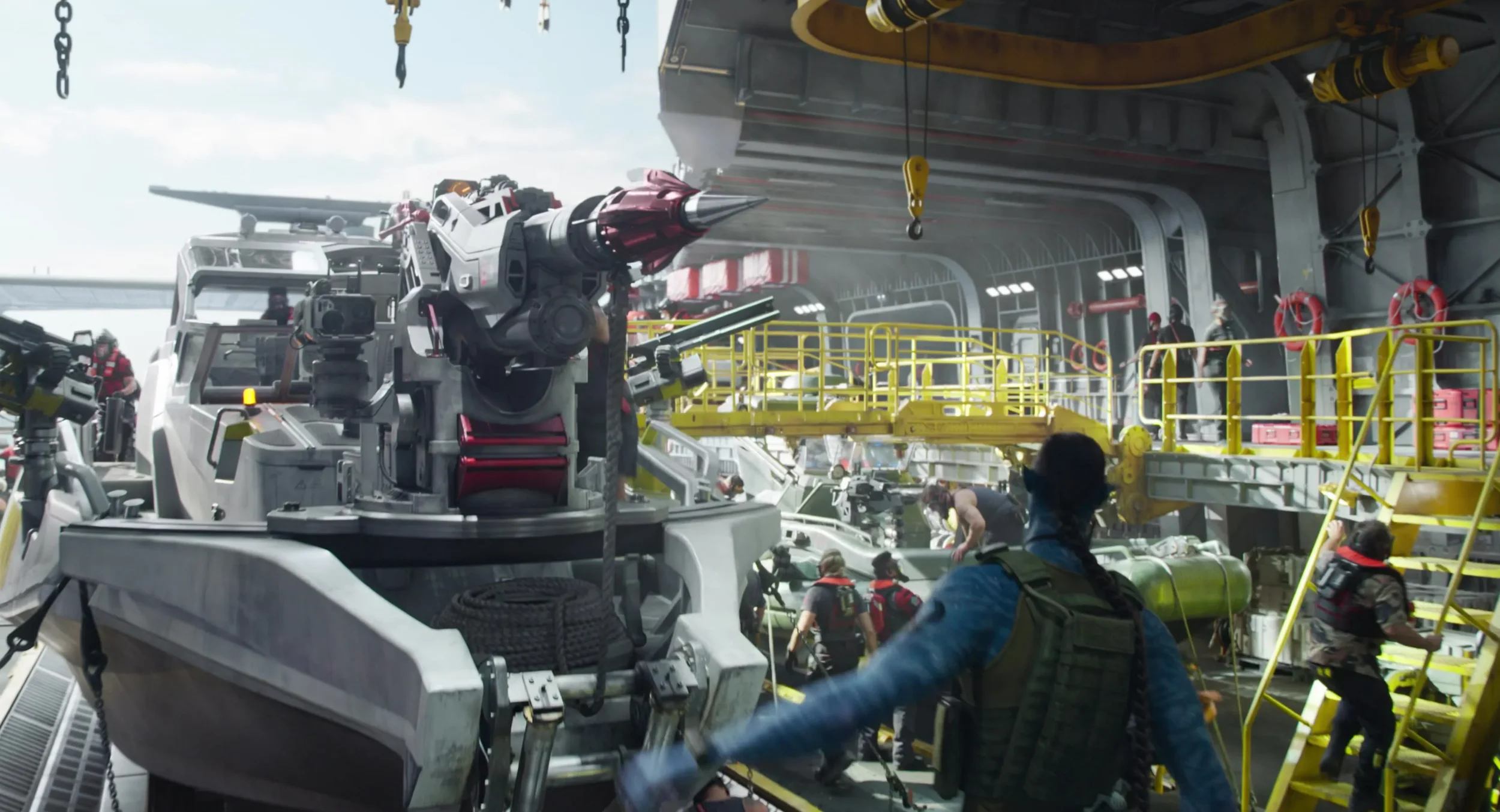
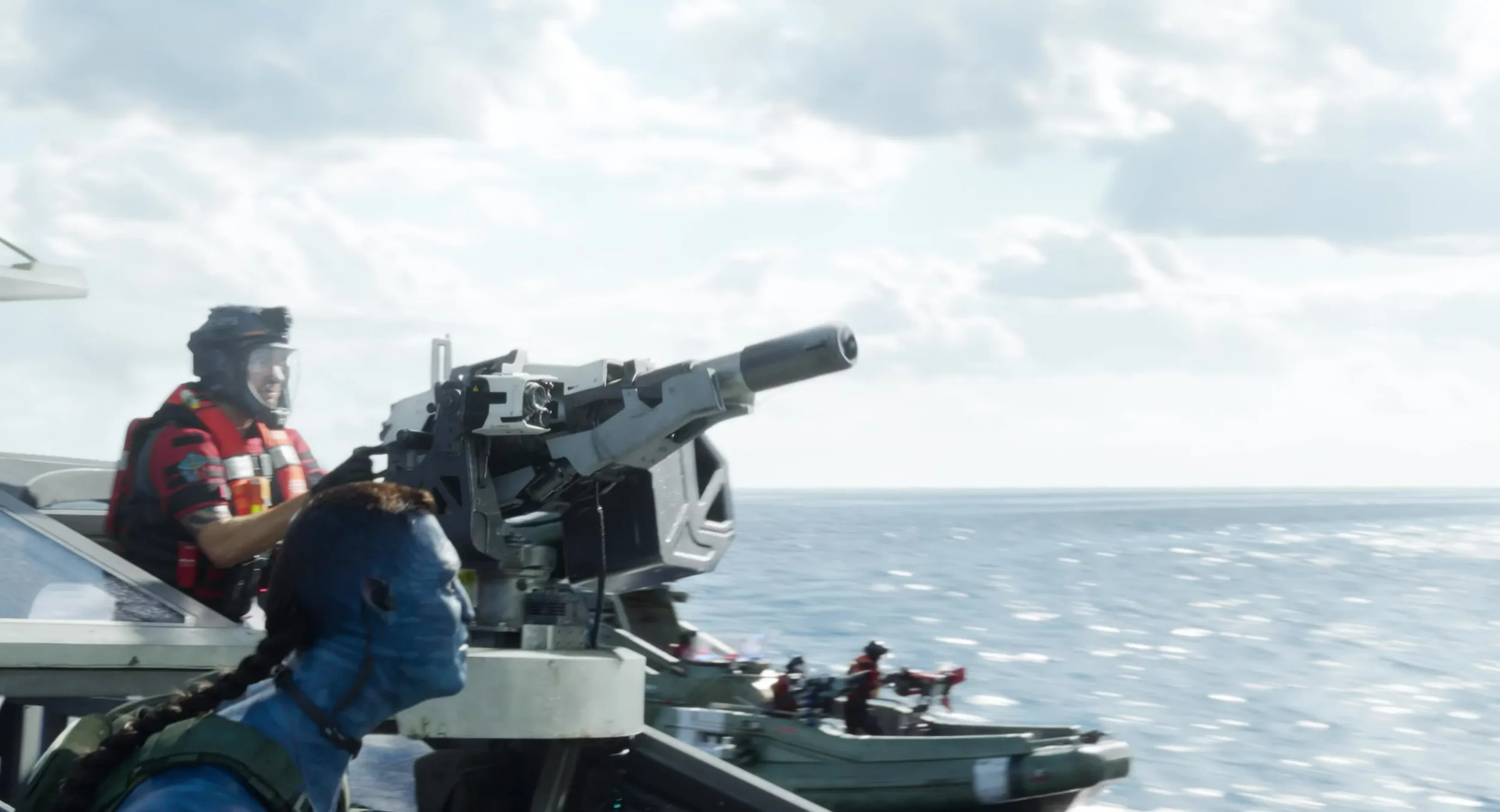
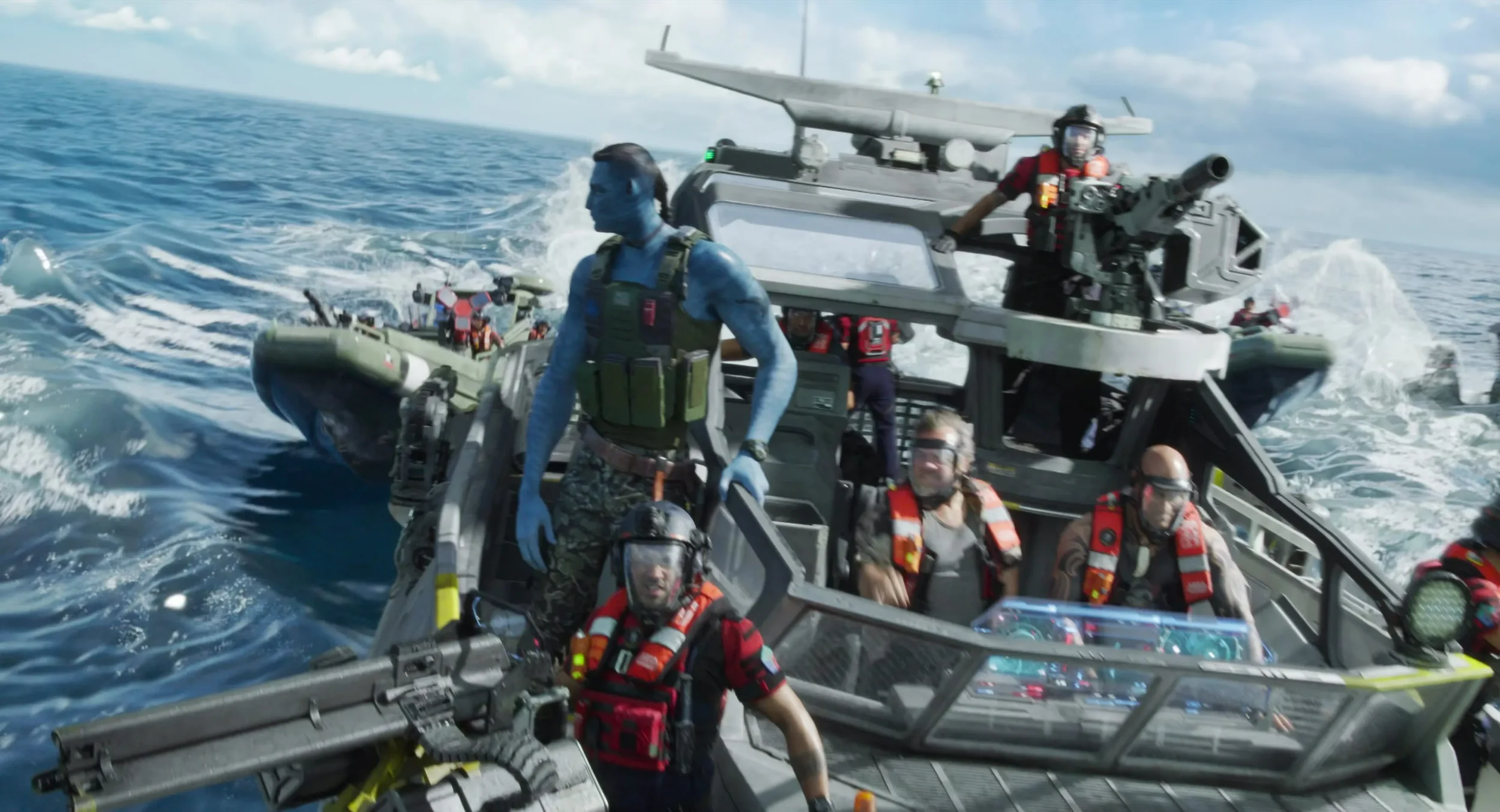
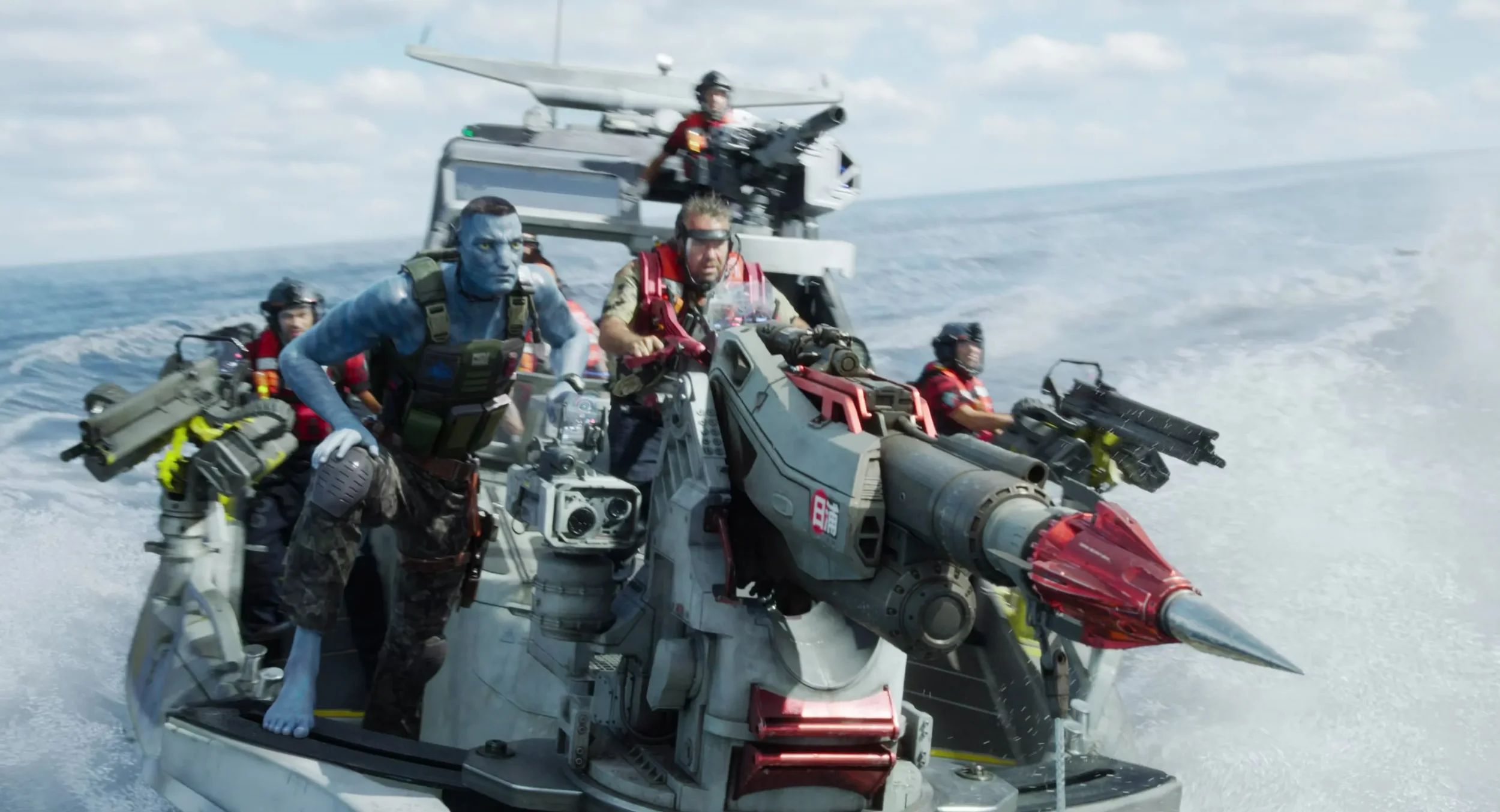
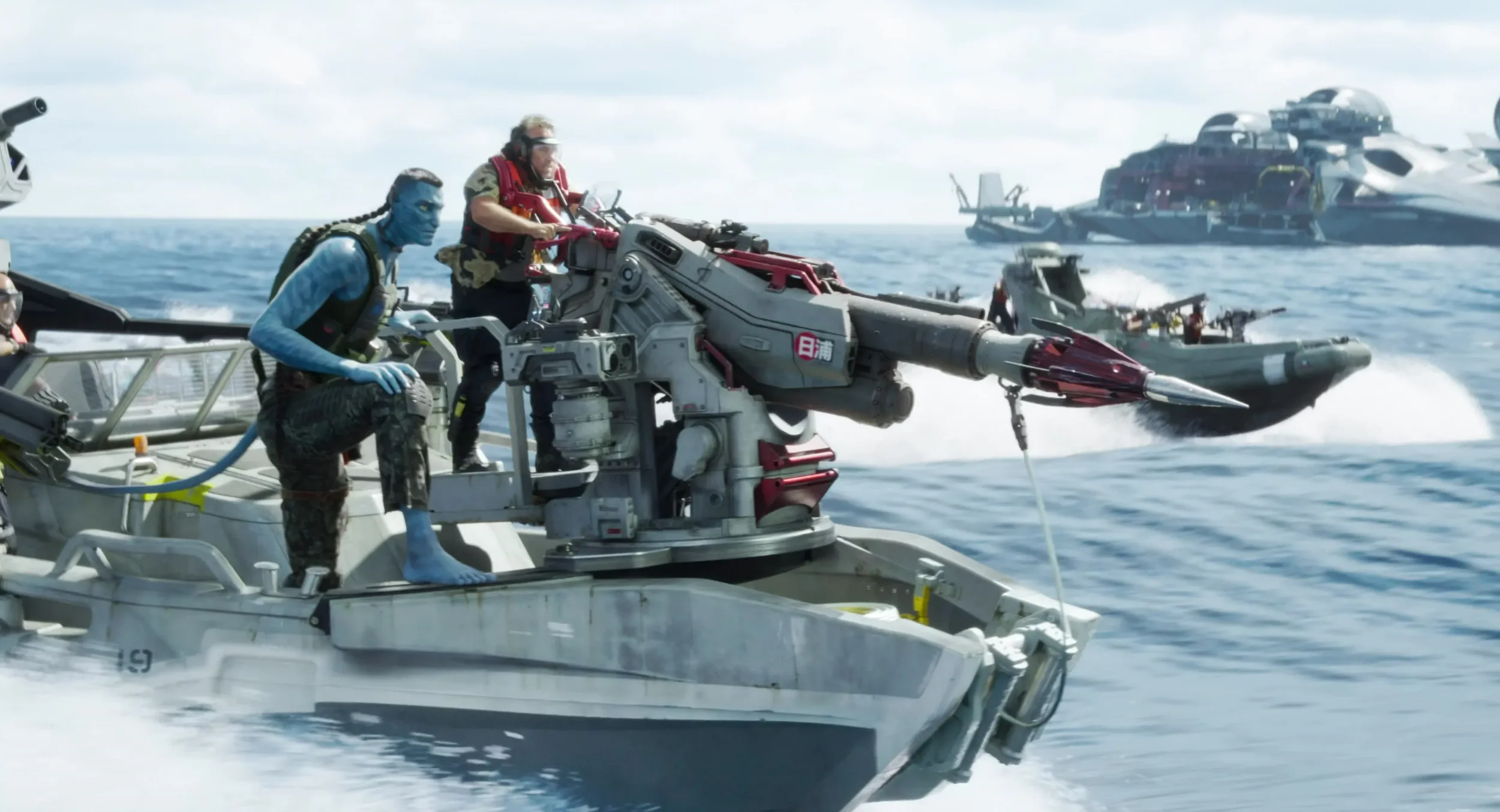
The Matador is the vessel that chases down and kills the tulkun for harvesting. I modeled and textured it alongside two other artists under supervision from our supervisor, production designer, and aid from the concept art team. My main pieces were the harpoon gun, the cannons, the interior control modules, and the top accessories.
Harpoon Gun
Using the concept team’s 3D model as reference, modeled and textured the harpoon gun, then updated its textures and made subtle design changes multiple times over the course of production.
Modeled and textured the harpoon gun’s mounted base.
Cannons
Modeled and textured the small cannons, the Matador’s secondary weapon, which fire sound bombs.
Interior Modules and Top Accessories
Modeled and textured the interior control modules and top accessories as part of a team push to turn the asset around quickly for director reviews.
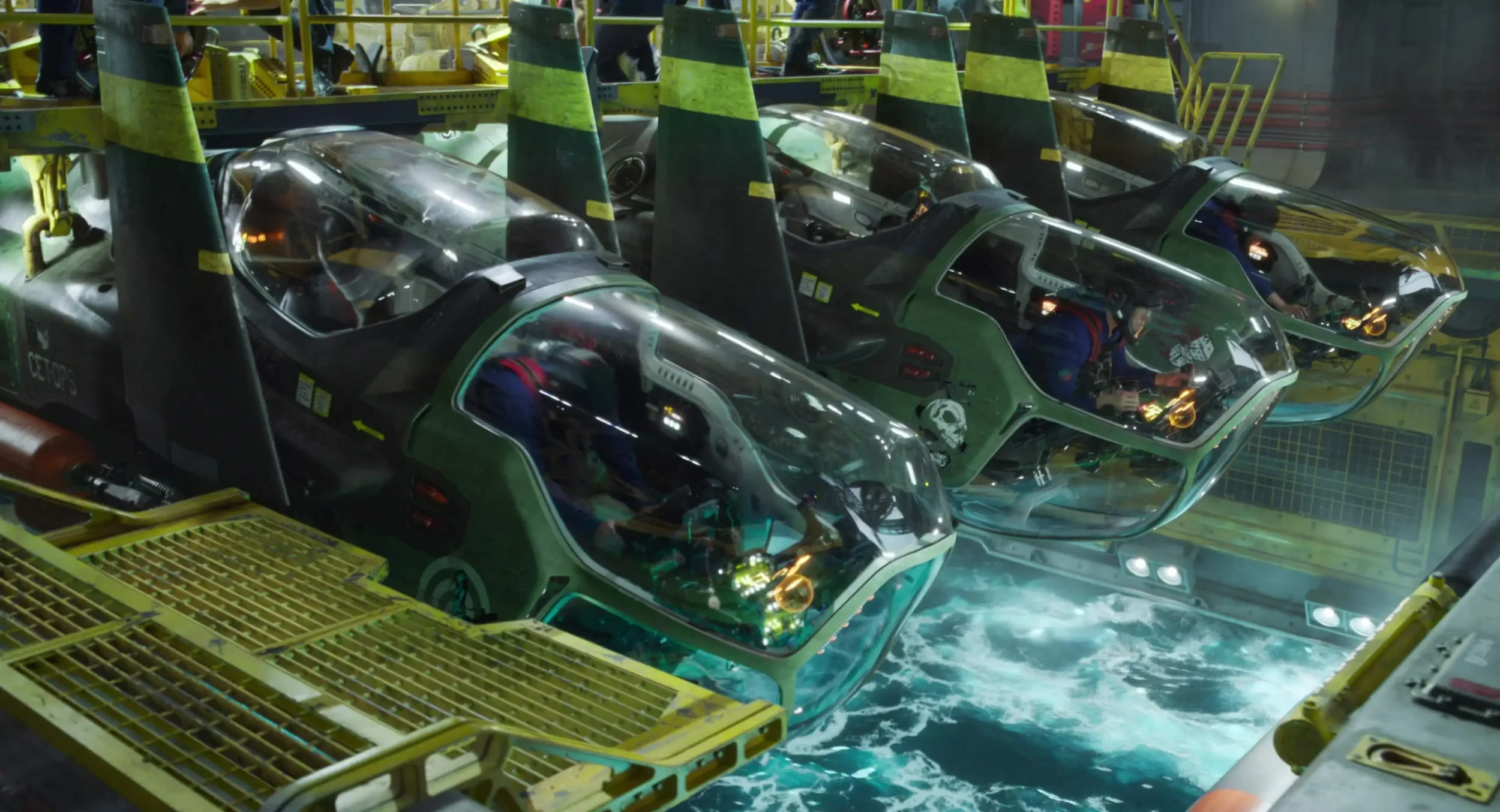
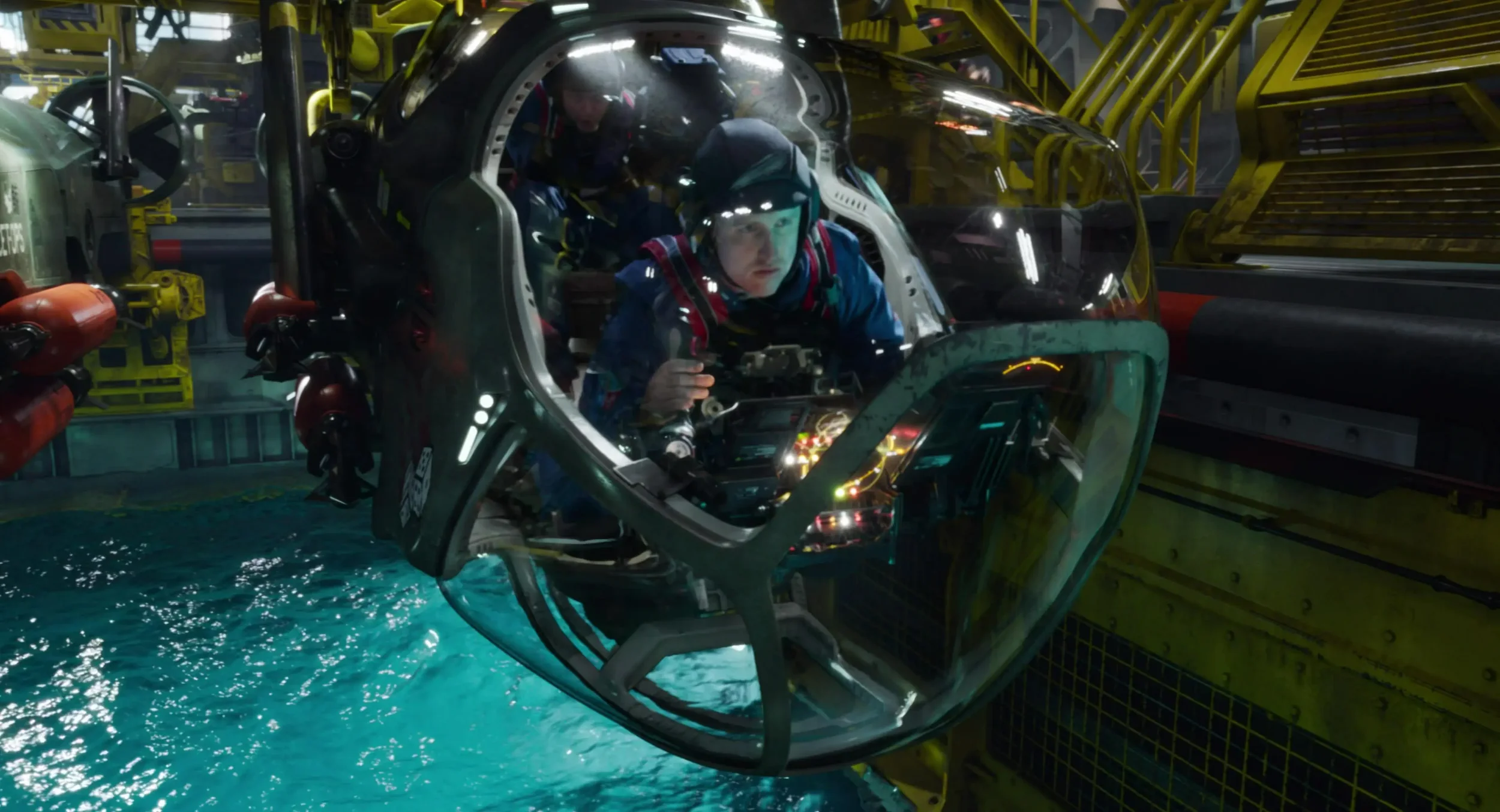
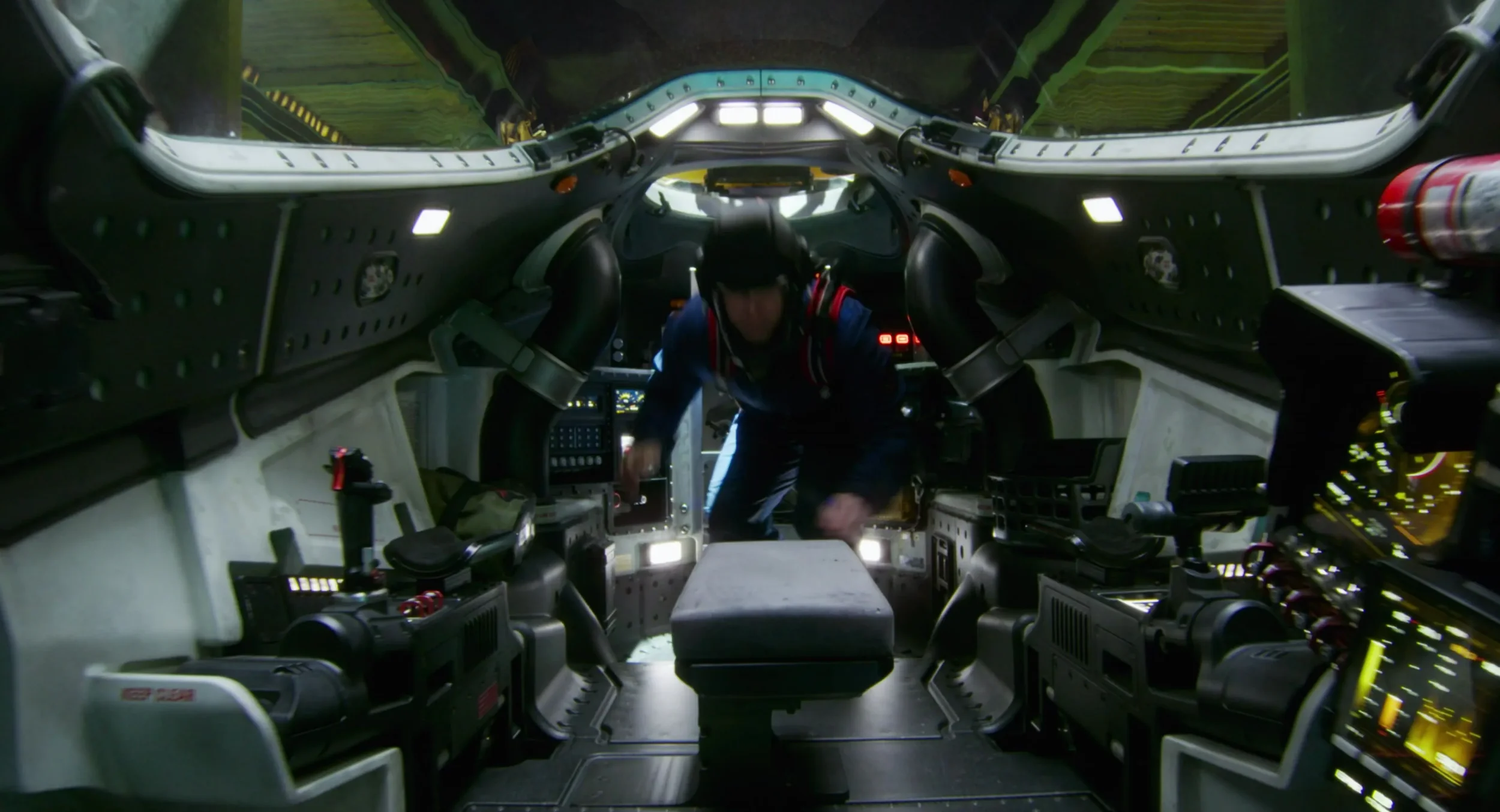
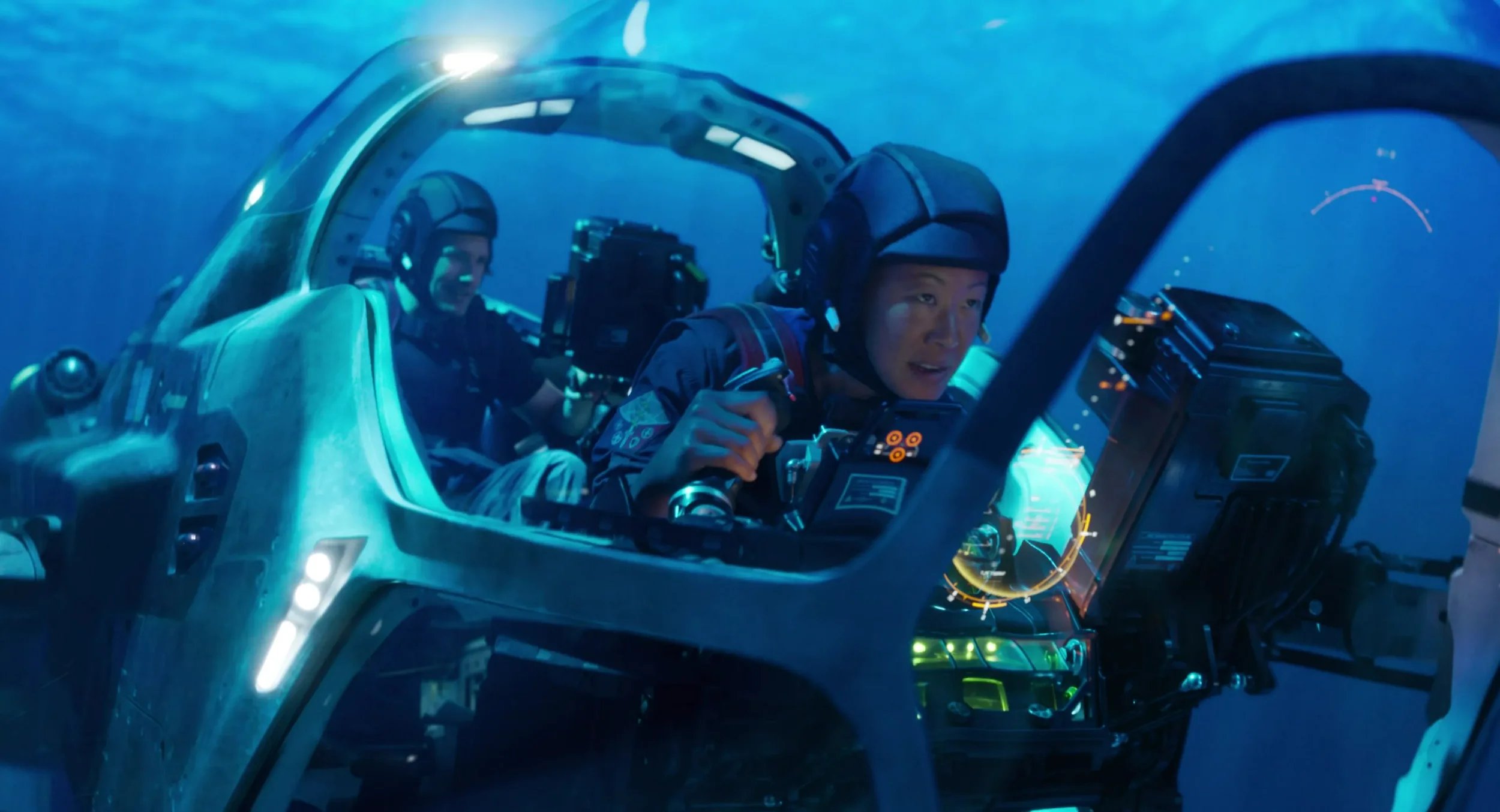
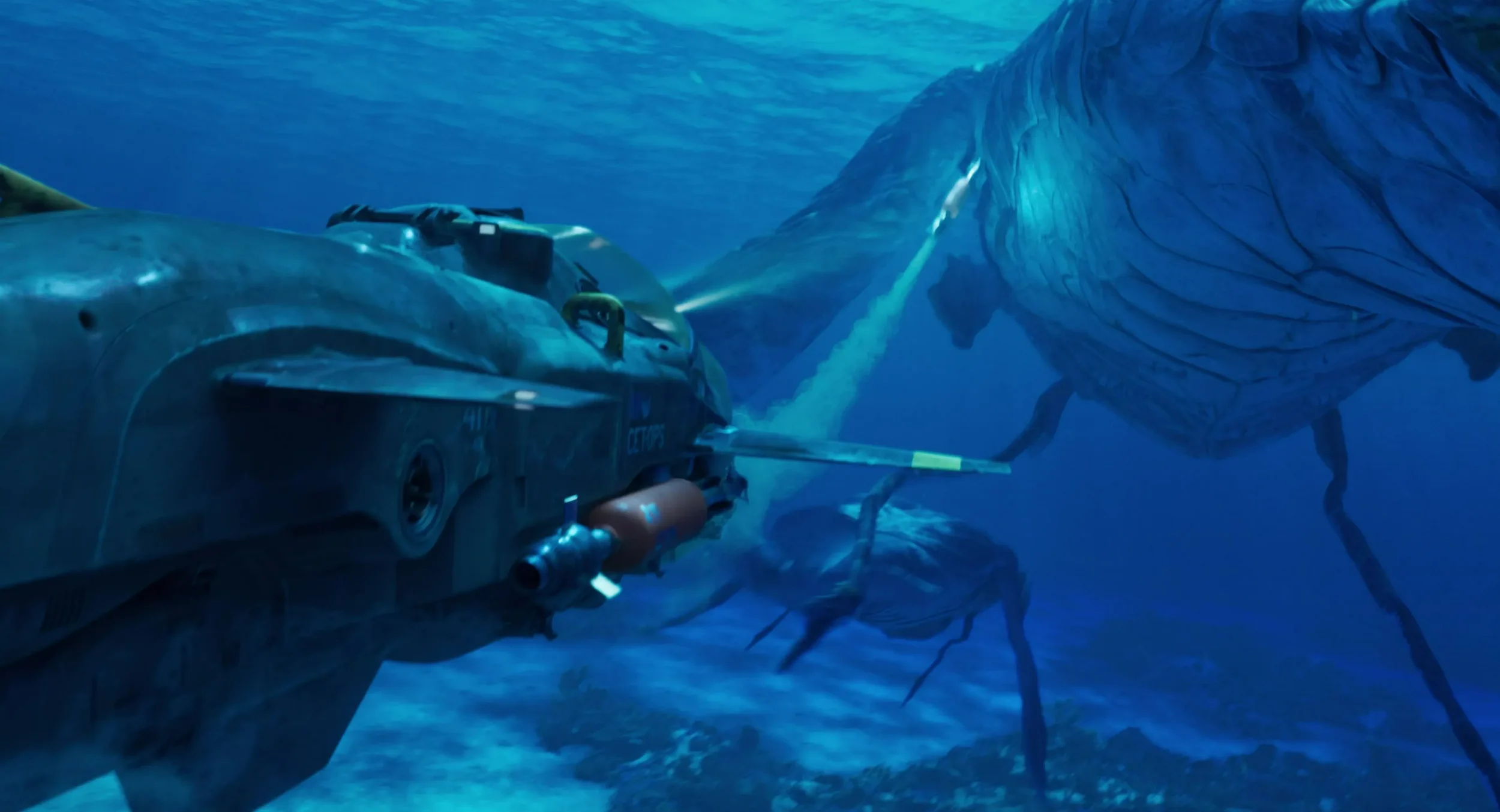
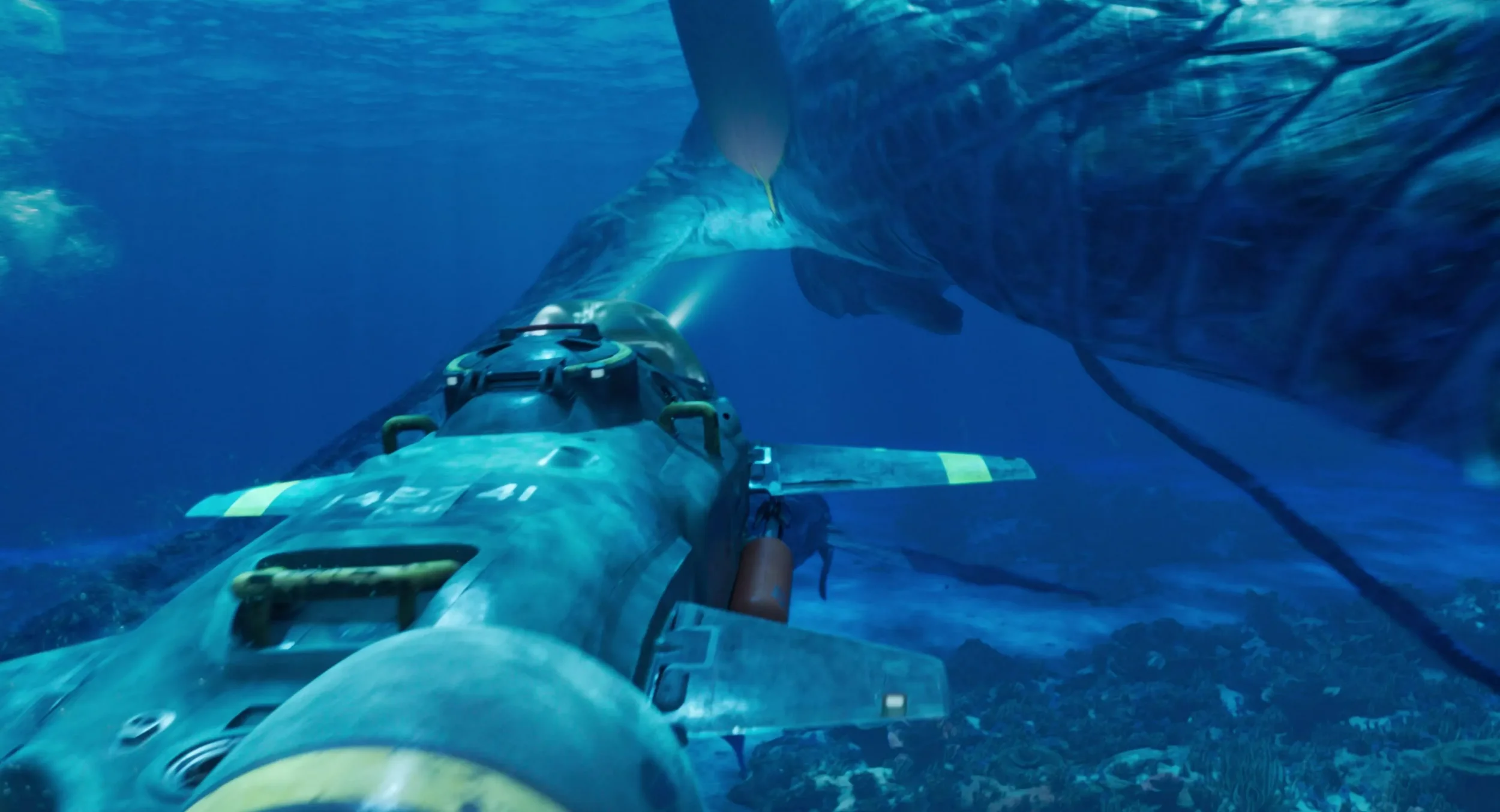
The mako
The Mako is a military-grade mini submarine the RDA uses for underwater exploration, scouting, defense, and tulkun-hunting operations. Working with one other artist under our production designer and supervisor, I modeled and textured both the exterior and interior of the vehicle.
Exterior
Using the concept team’s 3D model as reference, modeled and textured the exterior shells and glass windows.
Interior Details
Modeled and textured the small elements on the control handles and monitors inside the cockpit.
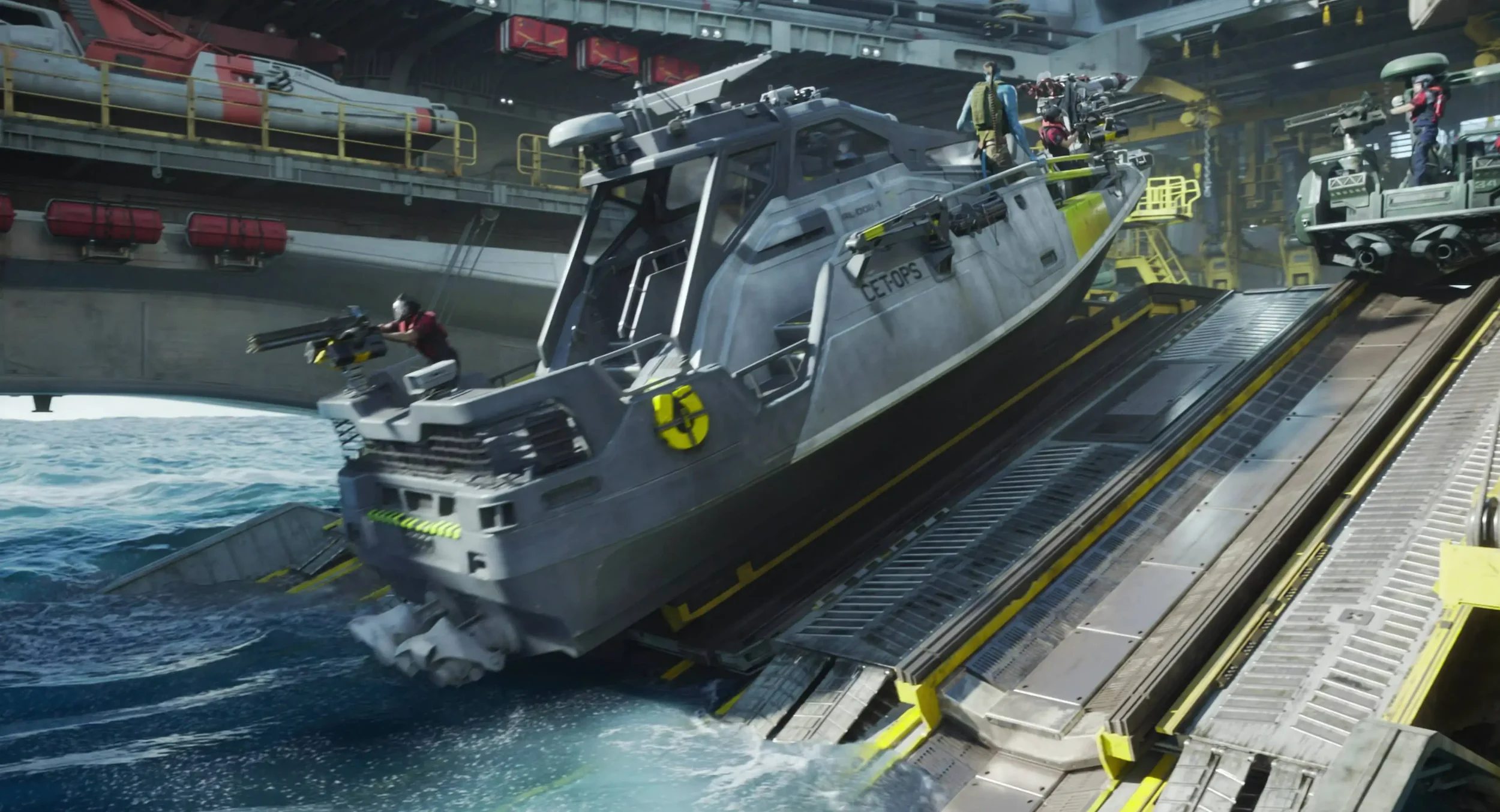
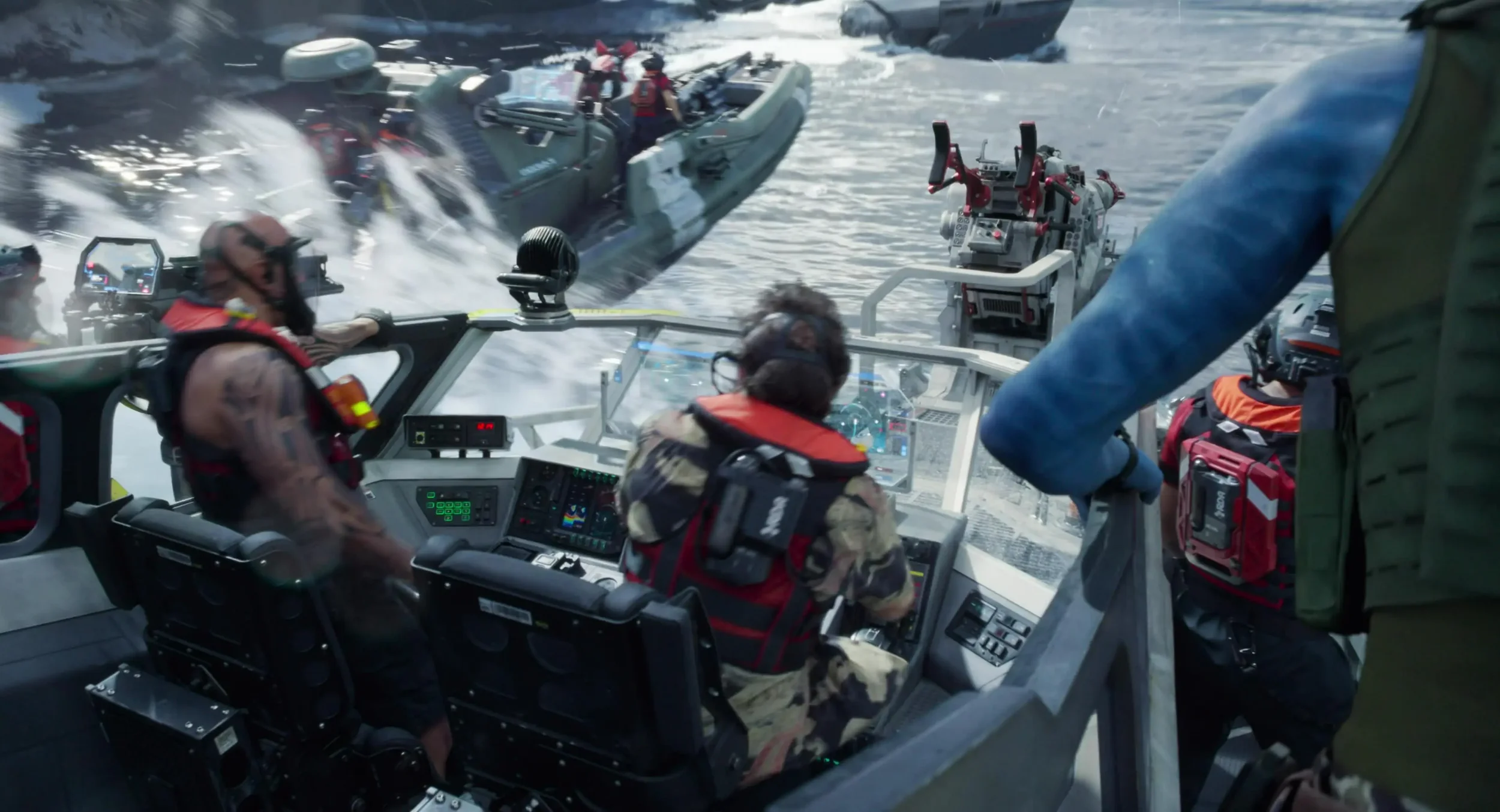
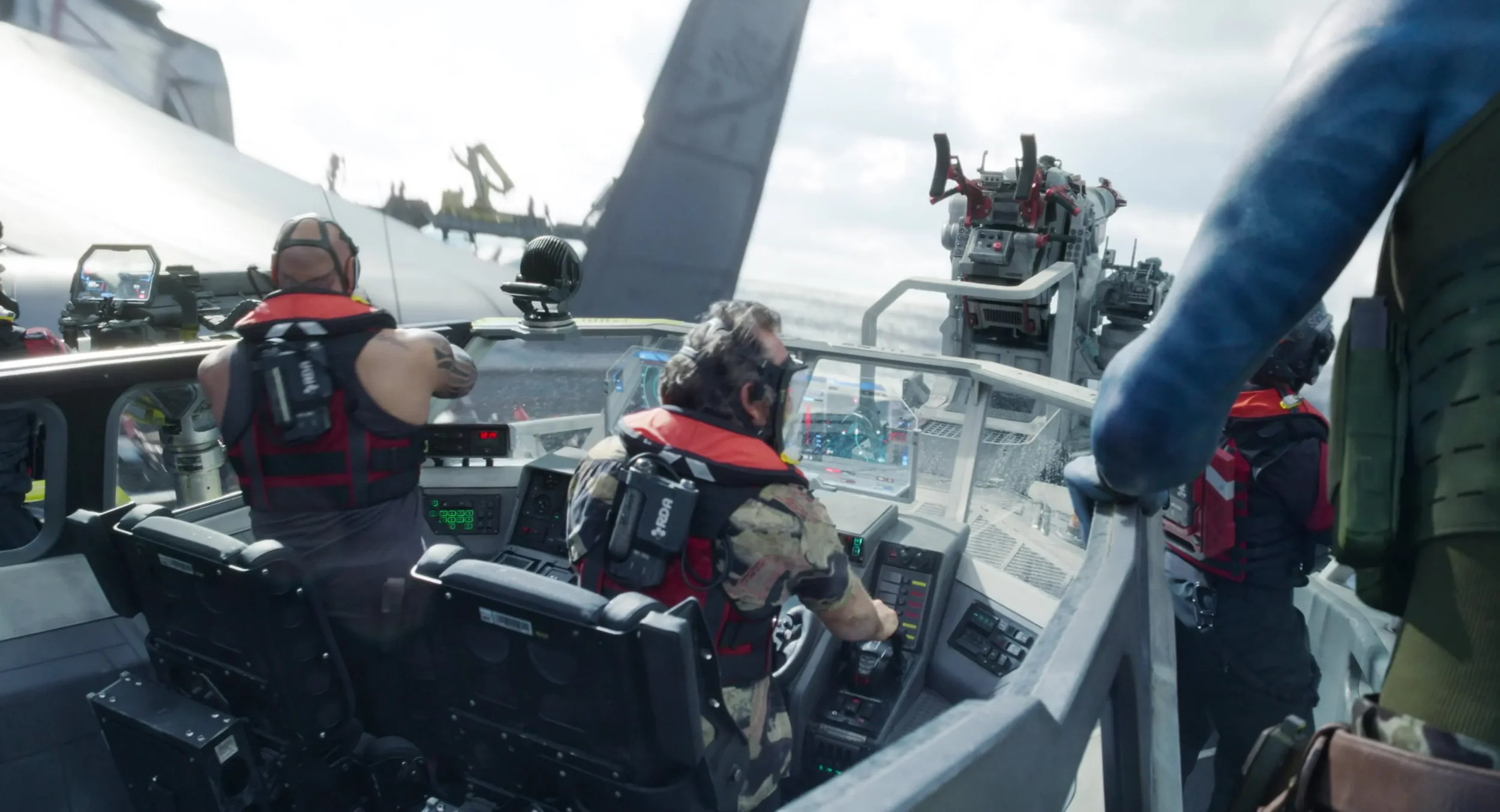
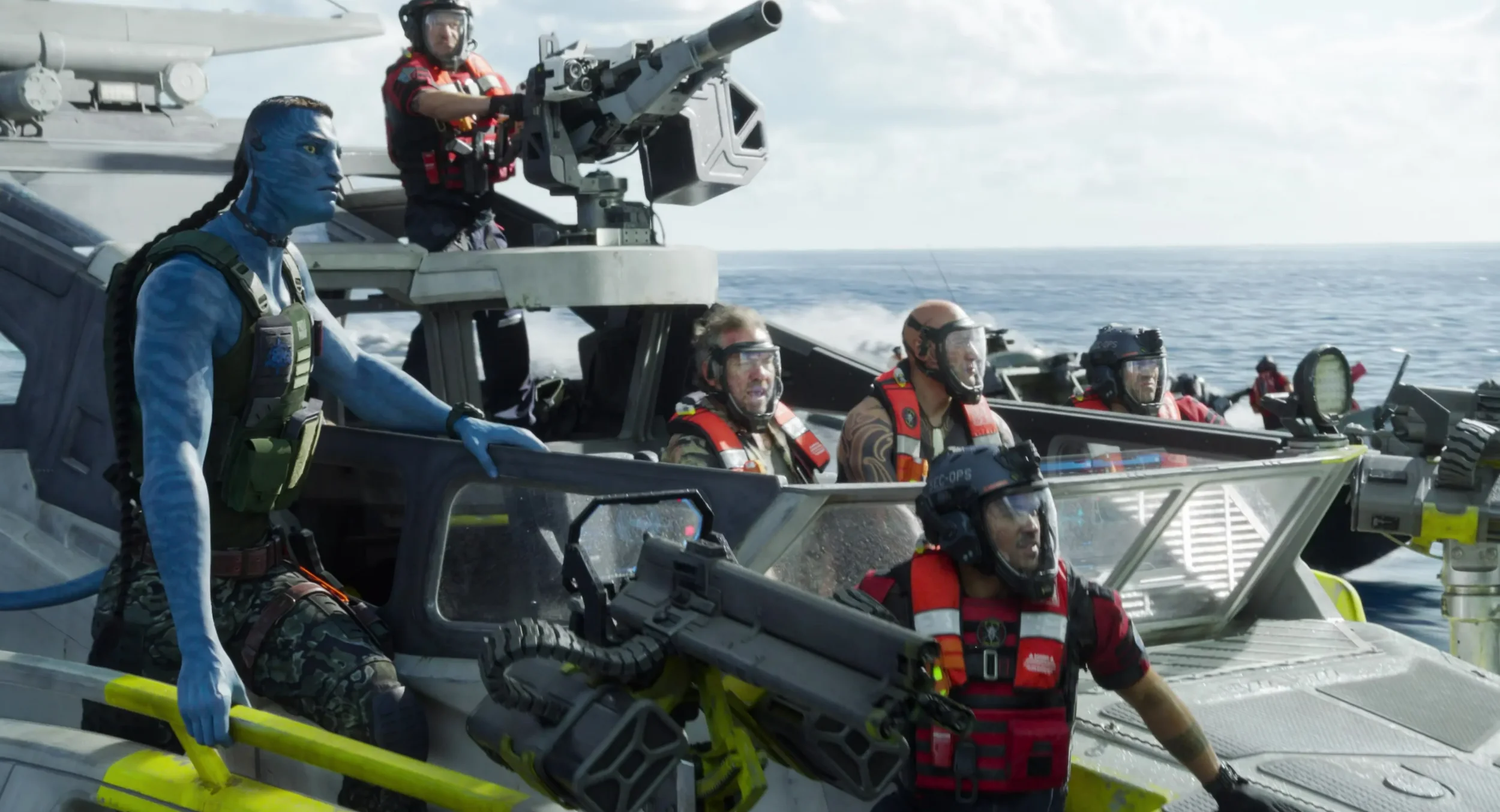
The picador
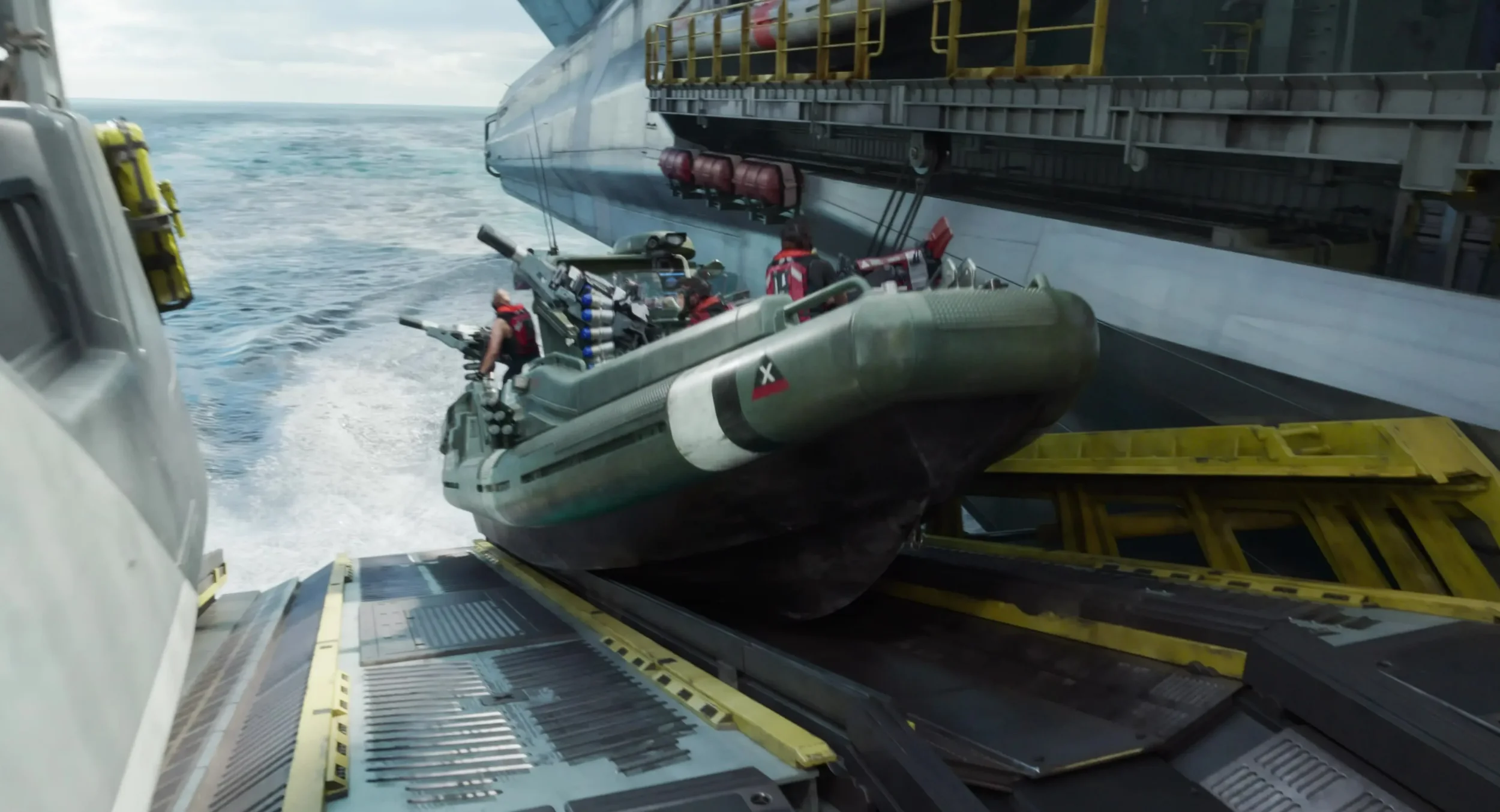
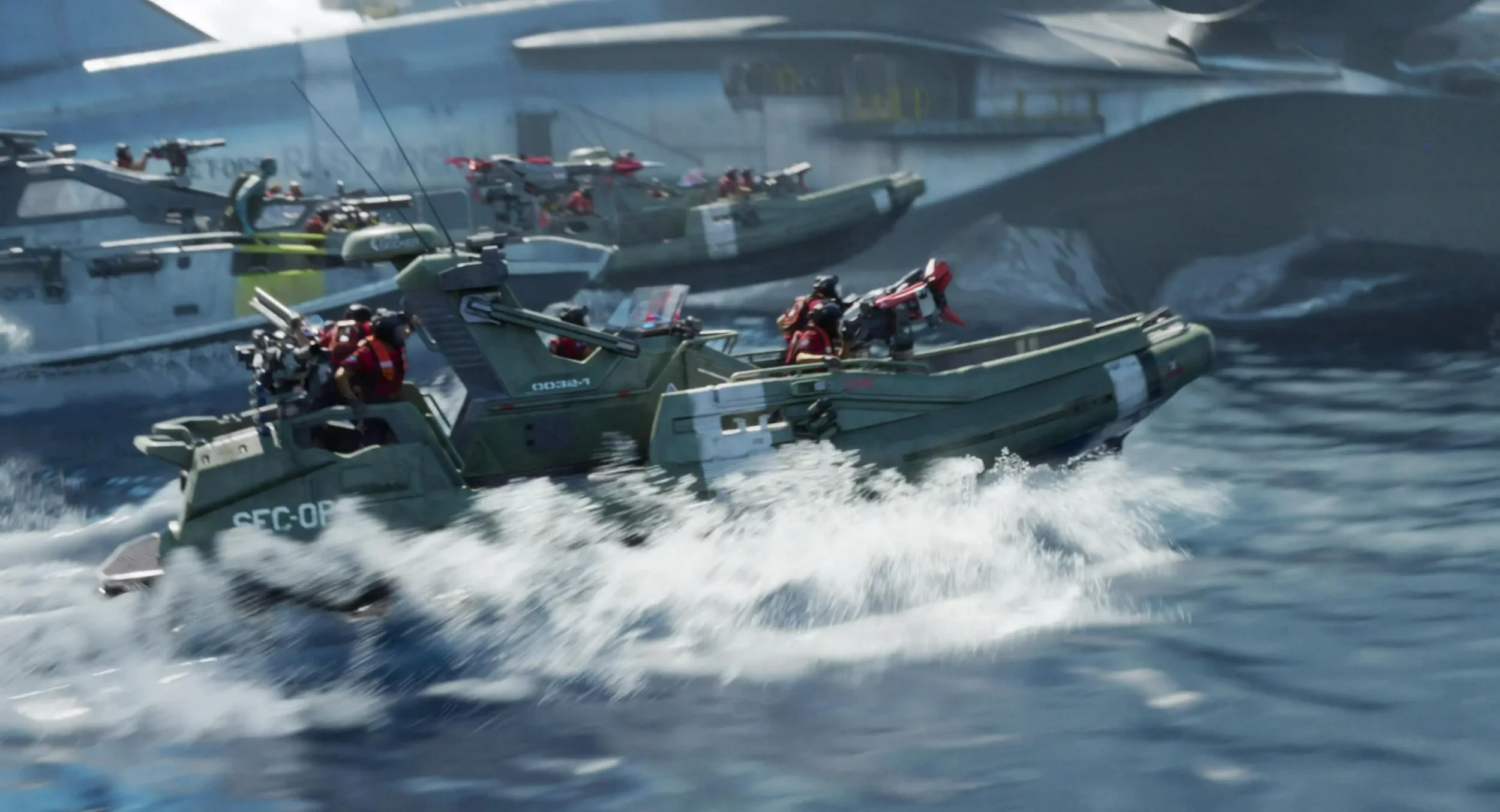
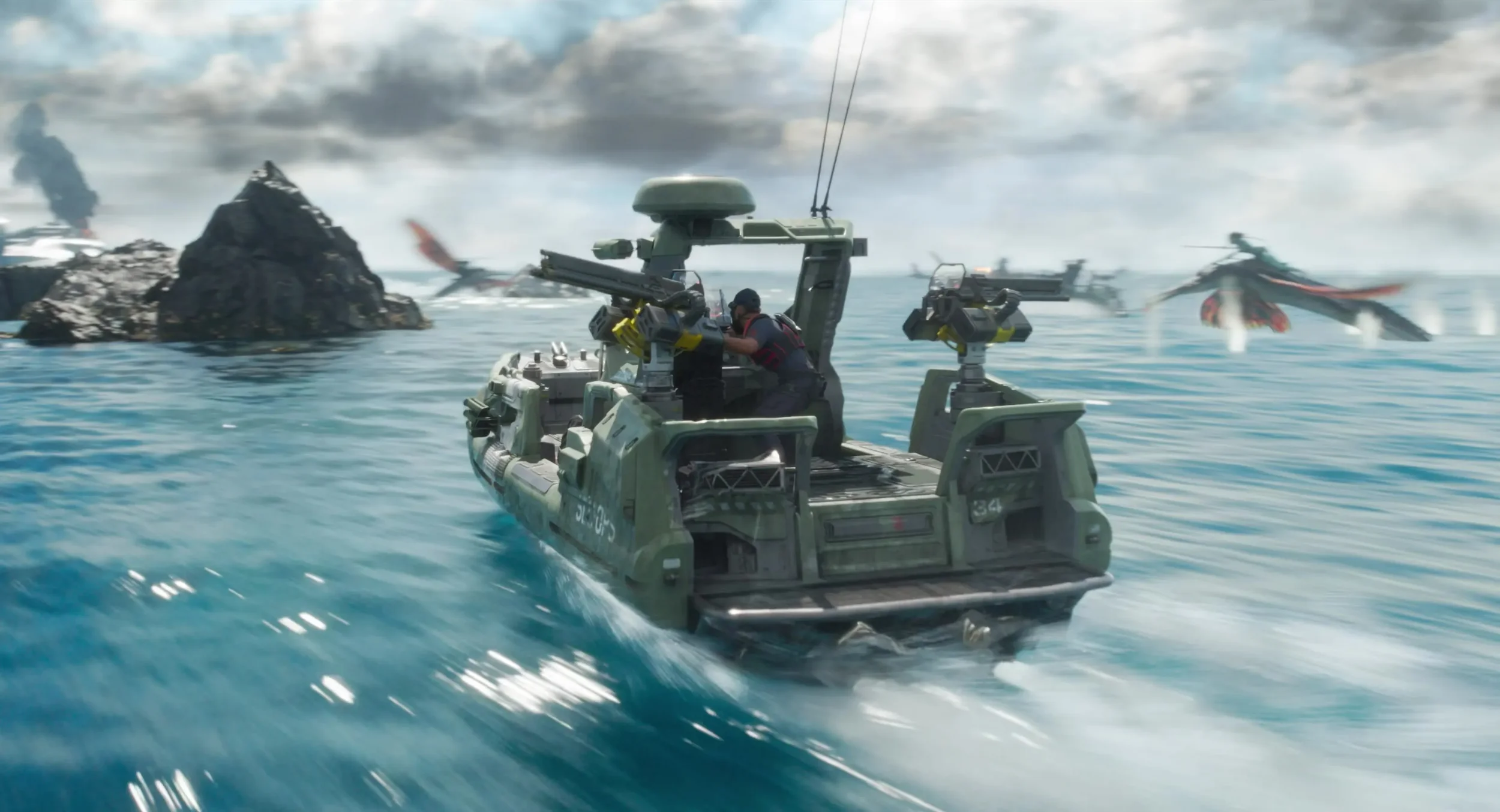
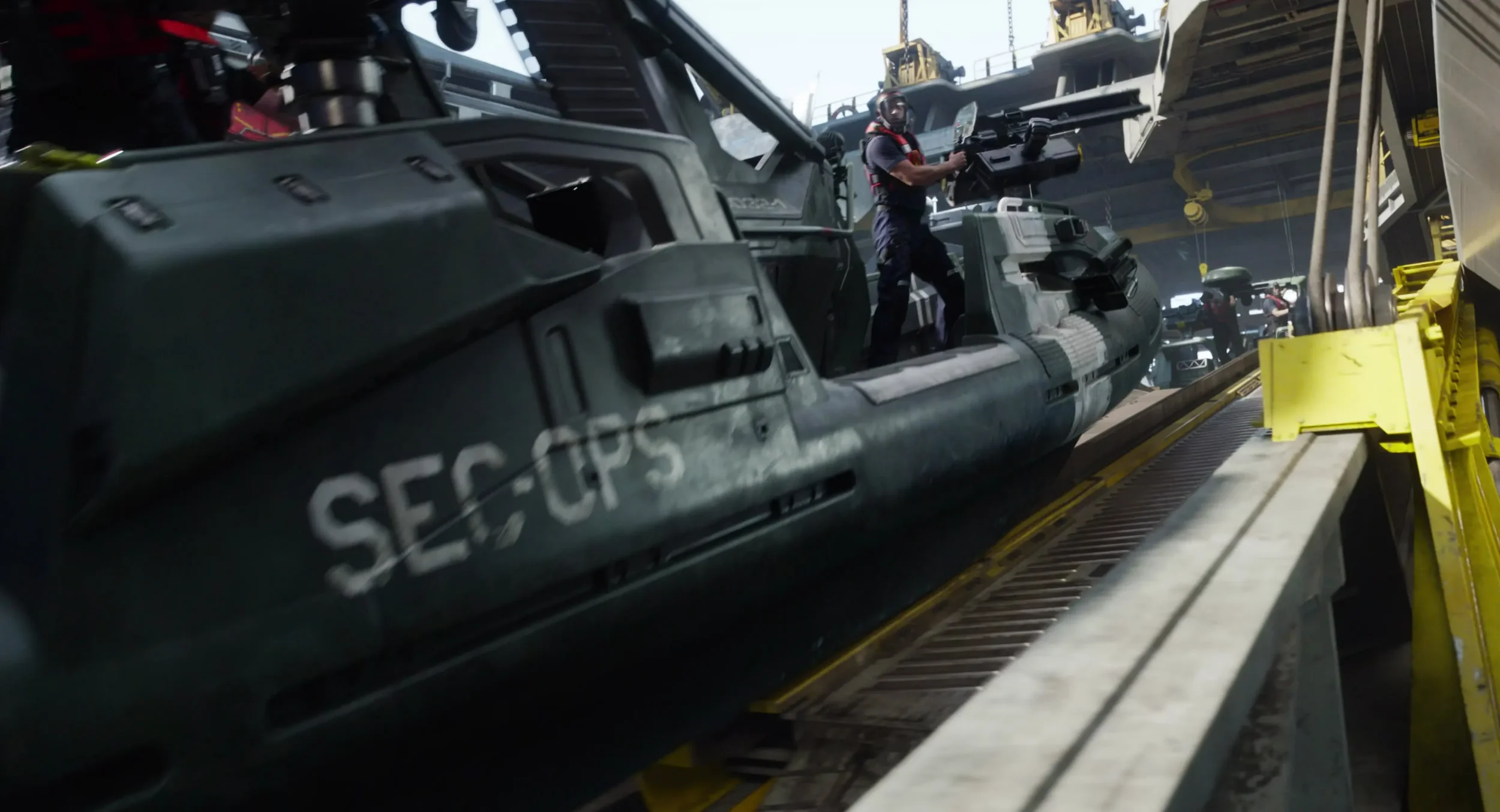
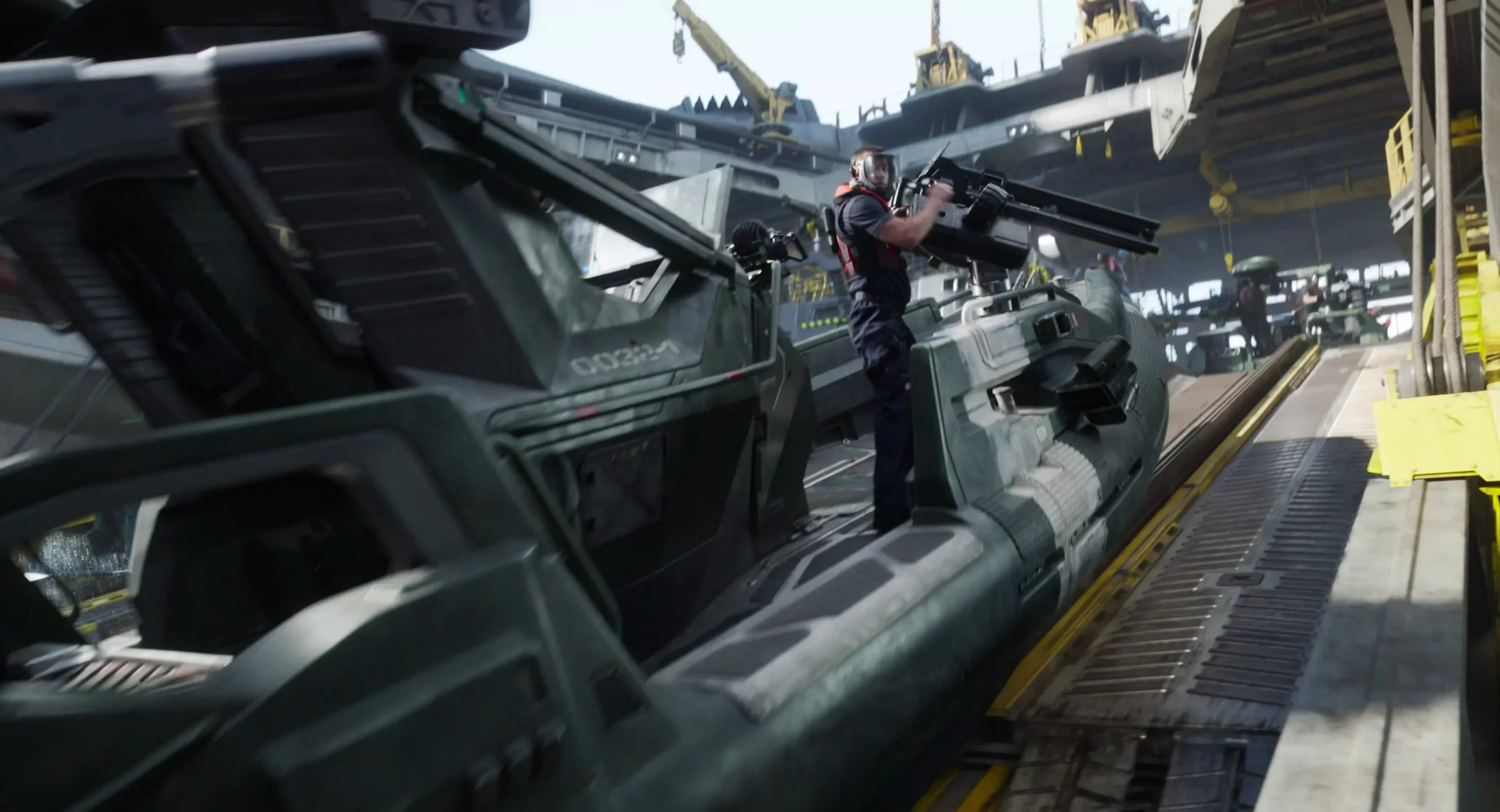
The Picador is a small, fast, maneuverable jetboat the RDA uses mainly for short-range water patrols on Pandora. Working with one other artist under our production designer and supervisor, I modeled and textured the vehicle’s interior and refined the model and textures on the exterior.
Interior
Using the concept team’s 3D model as reference, modeled and textured the interior, carrying it through several iterations as its size, shape, and design details evolved.
Exterior
Refined and finalized the exterior model and textures as the asset was locked for production.
Village border rocks
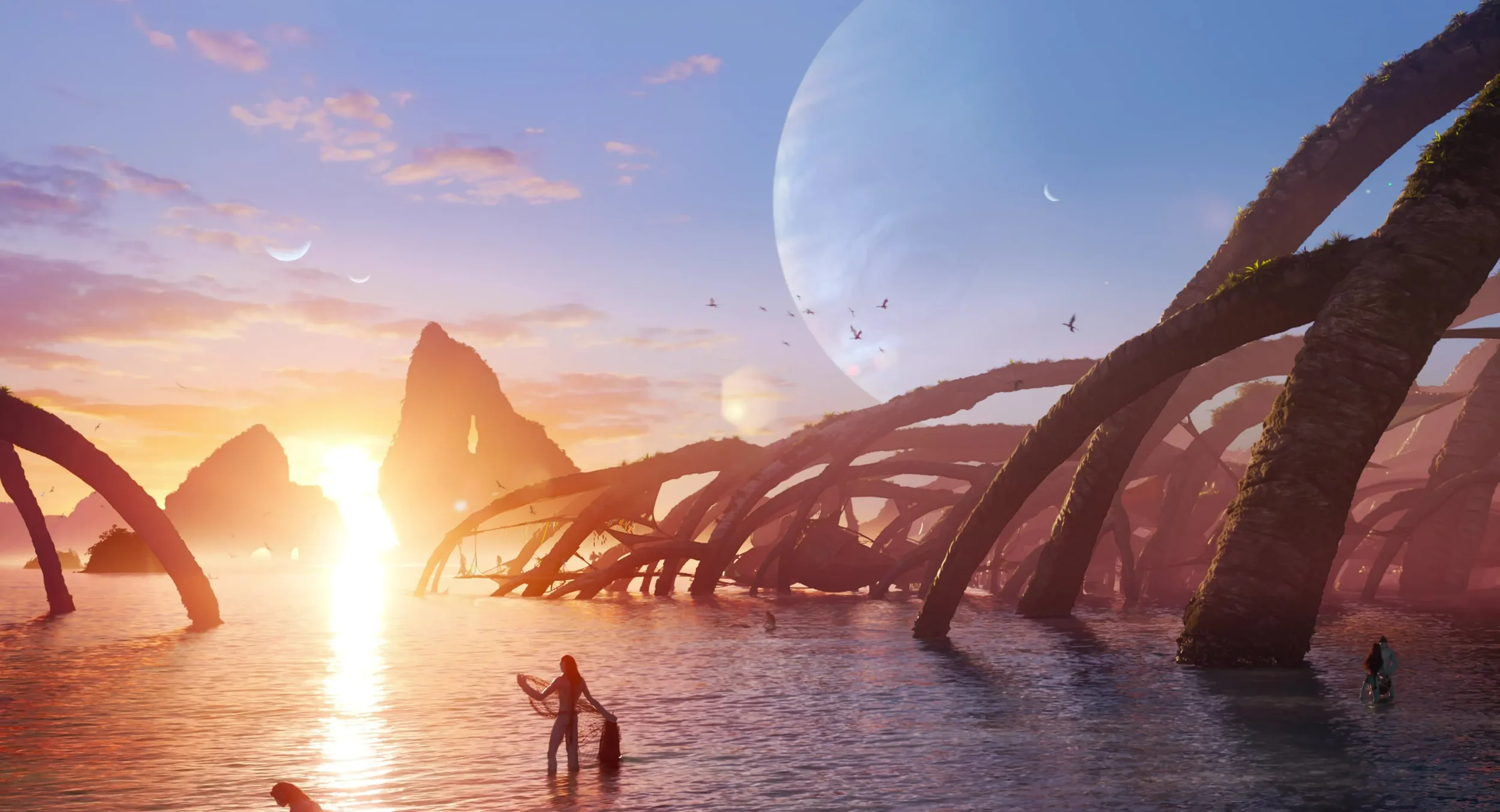
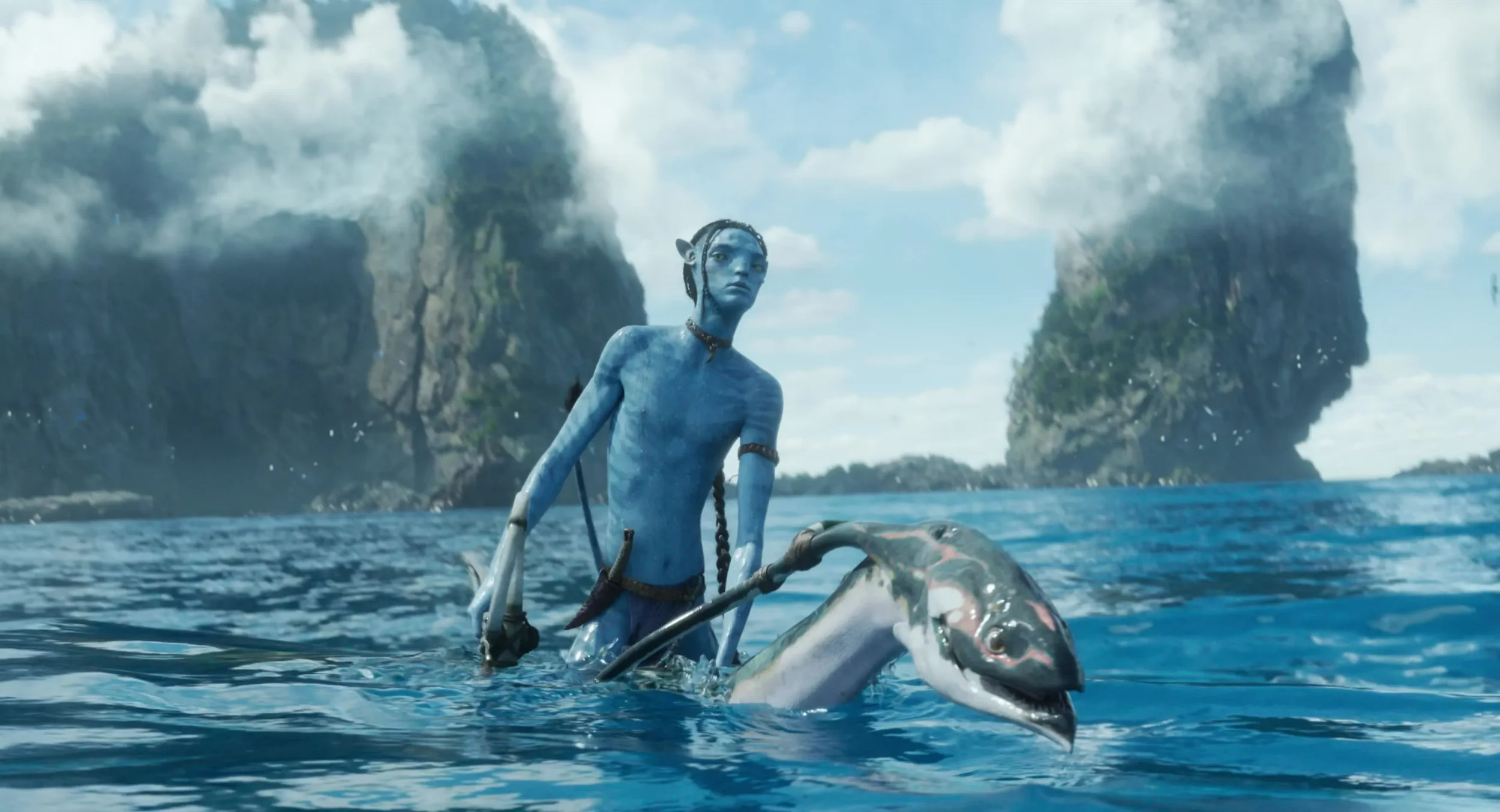
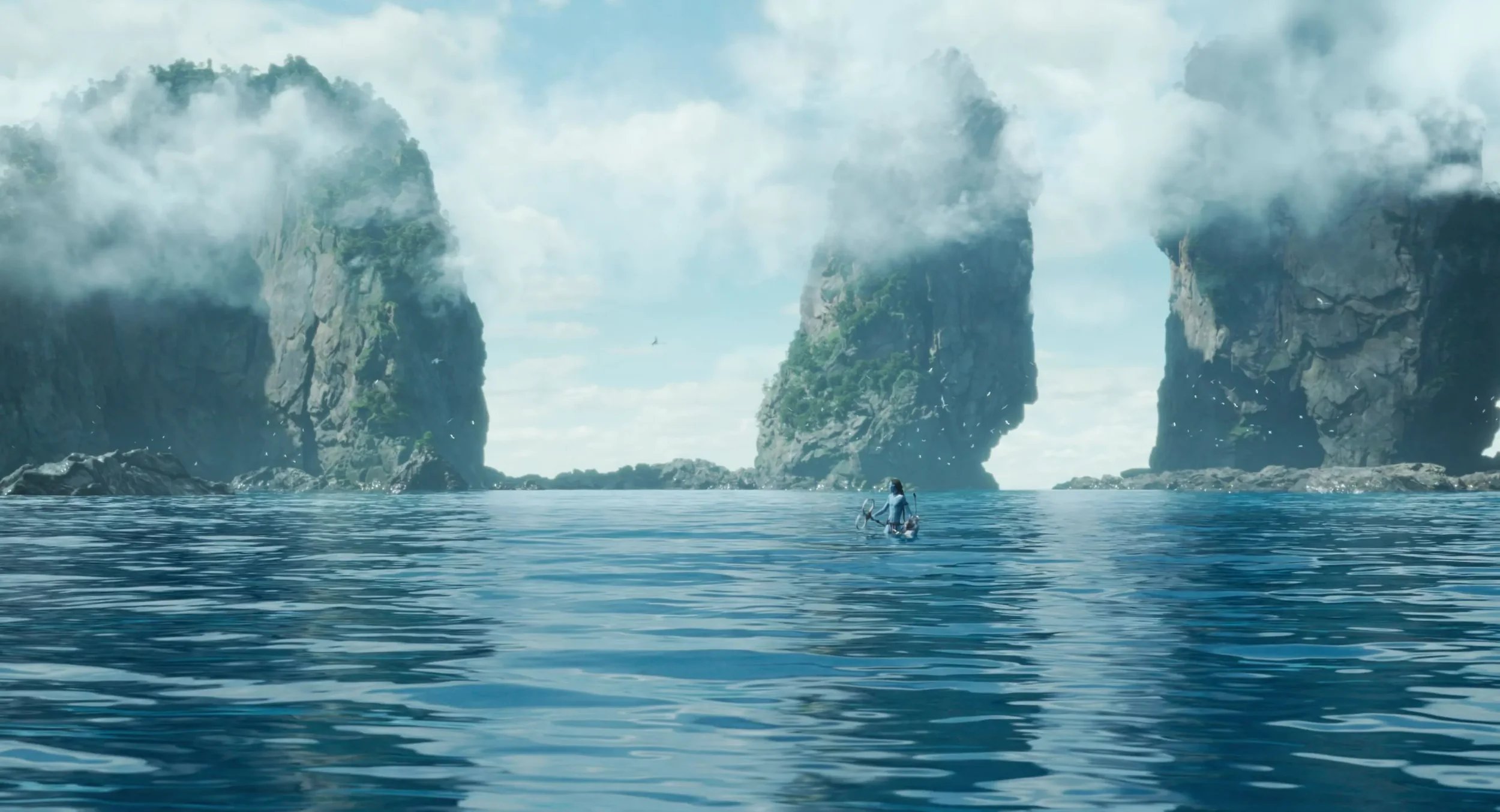
I was solely responsible for modeling, texturing, and placing the giant rocks that surround Metkayina village. Each set of rocks was designed around how it would read on camera, from silhouettes against the sunset to compositions built for isolation.
Sunset Silhouettes
Shaped the background rocks in the sunset shots to create an interesting silhouette against the evening sky.
Loak’s Search Scene
Designed the rocks to convey the scale of the set and to frame the solitary, isolating shots compositionally.
Ownership
Handled modeling, texturing, and layout placement for every rock from start to finish.
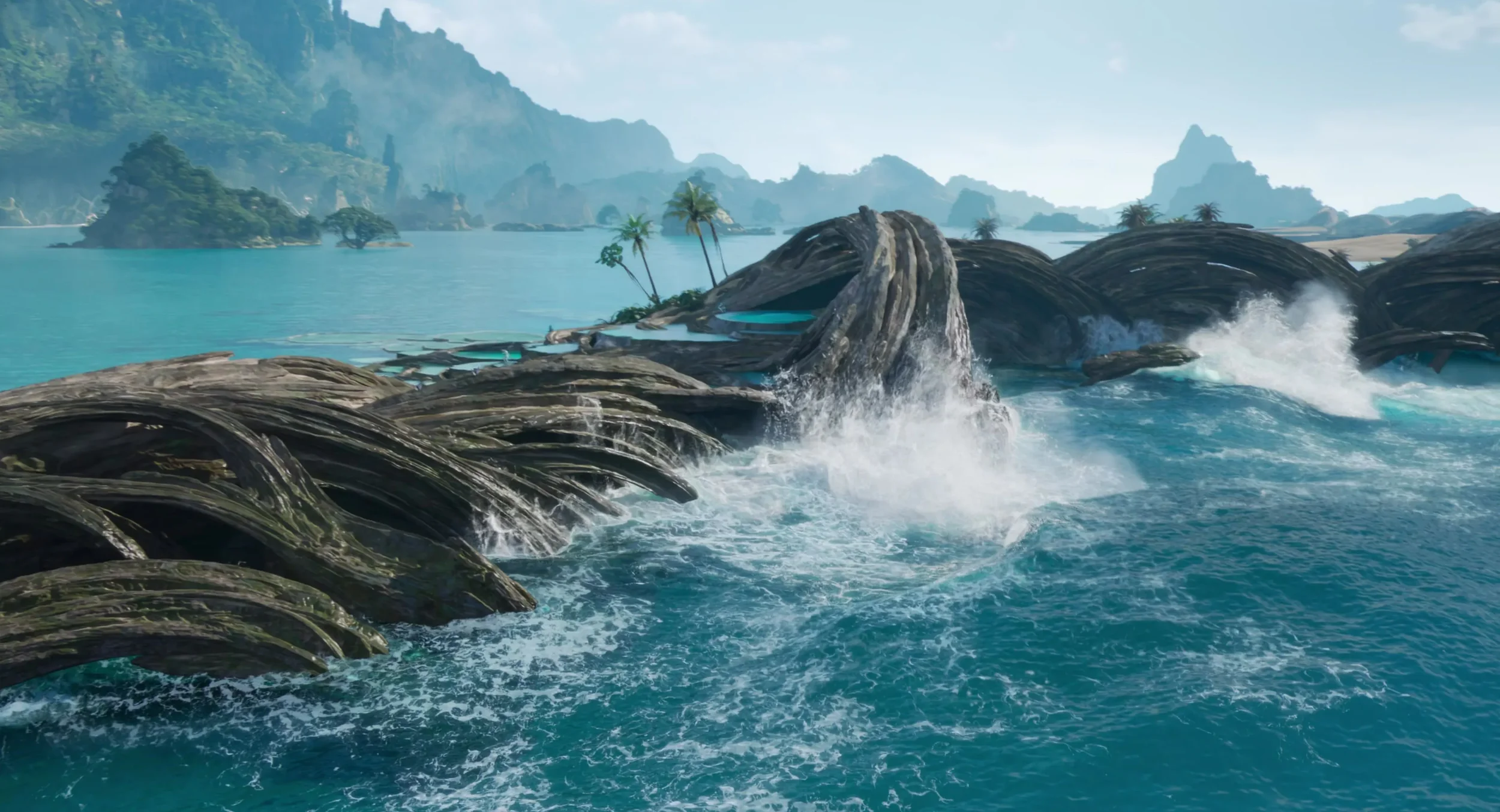
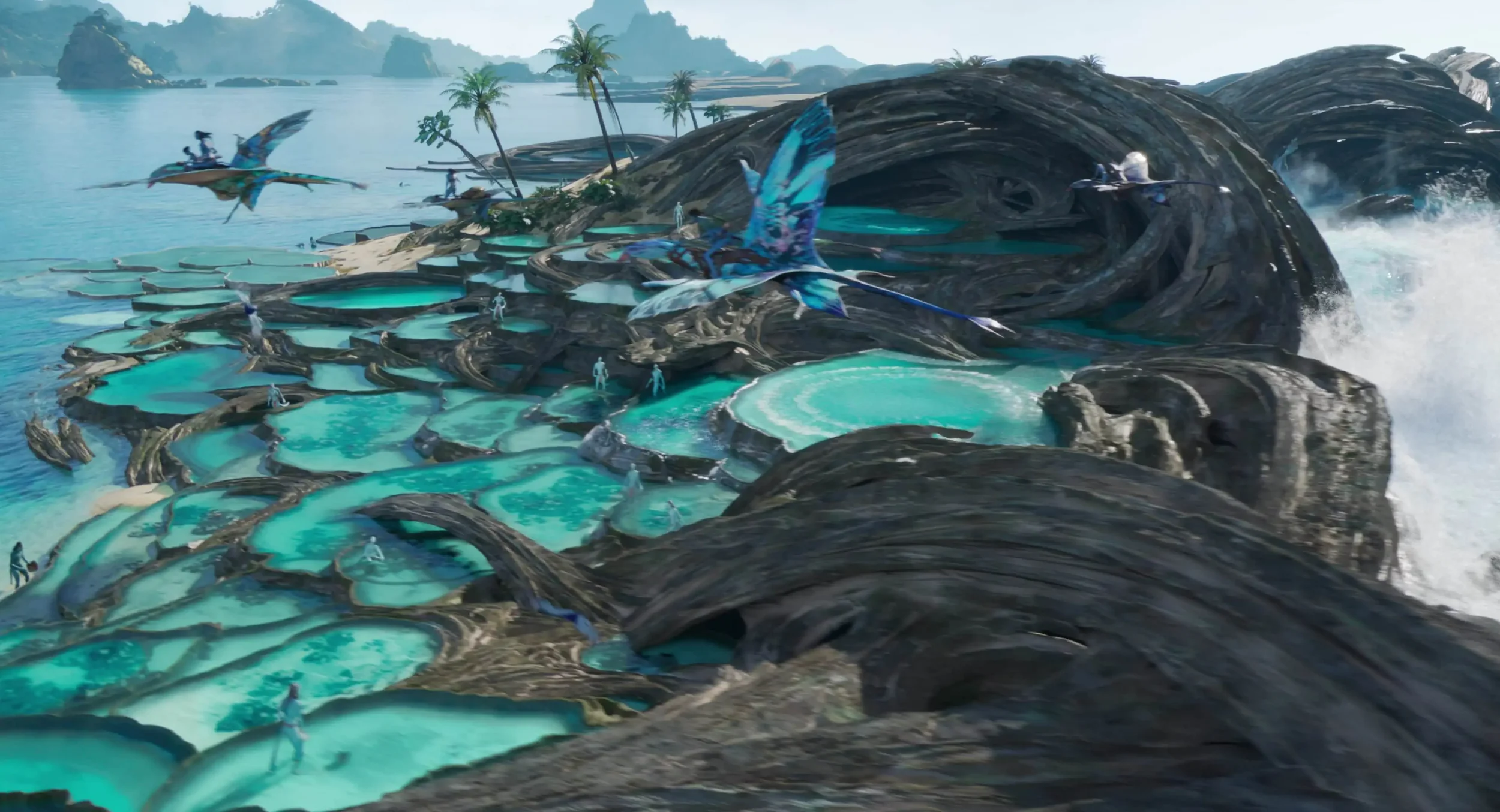
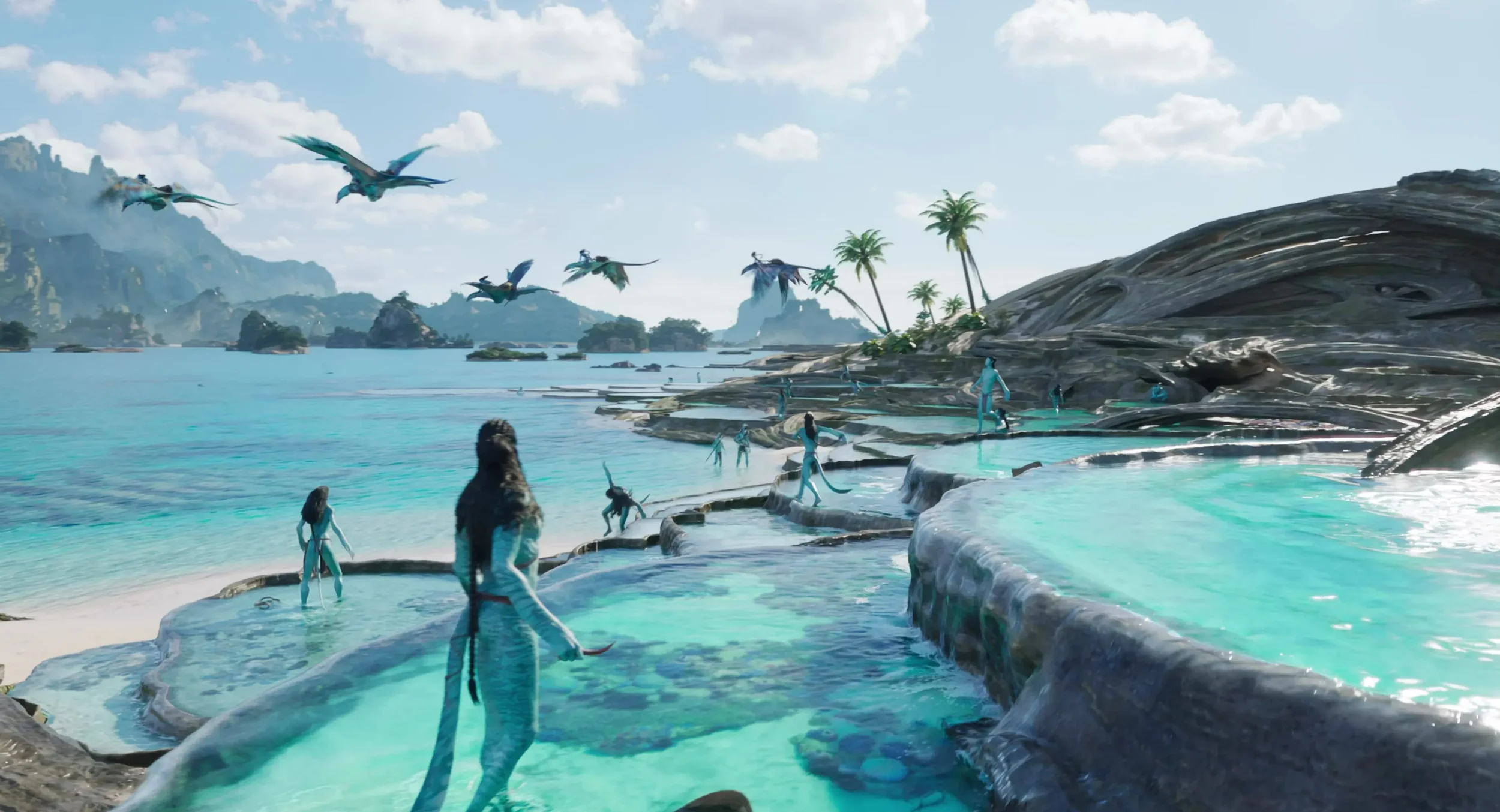
fractal reef
Fractal Reef sits on the outskirts of Metkayina village: a striking cluster of geometric, fractal-shaped rocks with small tide pools layering up toward the top. Our team struggled to get this model from one piece of software into another until I found a solution that unblocked us. I also did texture work to help develop the look of the rock structures.
Pipeline Solution
The model was built in fractal-generation software, and the export was so massive that bringing it into other software was nearly impossible. I solved this by routing it through 3ds Max, which handles higher polycounts and has procedural modifiers that reduce polygon count, giving the team models they could actually work with.
Rock Look Dev
Adjusted shader textures and settings to find the right frequency of detail for the rock and how worn its edges and corners should be.